














Popular
What secrets are revealed about the family throughout the series?
What is the significance of the family estate in Labaule & Erben?
How does the character of Judith evolve throughout the series?
What role does the character of Thomas play in the family dynamics?
How do the relationships between siblings impact the plot?
Should I watch it?
Ask Your Own Question

What is the plot?
In the small town of Labaule, the story begins with the arrival of a new family, the Erbens, who move into a dilapidated house. The family consists of the father, a struggling artist named Paul Erben, his wife, and their two children. They are hopeful for a fresh start, but the house's eerie atmosphere and the town's peculiar residents create an unsettling backdrop. Paul is determined to restore the house and make it a home, but he is haunted by visions of the past, which begin to blur the lines between reality and his imagination.
As Paul starts working on the house, he discovers hidden compartments and old photographs that hint at the previous owners' tragic history. He becomes increasingly obsessed with uncovering the secrets of the house, which leads him to interact with the townsfolk. Some are welcoming, while others are suspicious of the Erbens, warning them to leave the past buried. This tension escalates when Paul finds a diary belonging to a young girl who lived in the house decades earlier, detailing her fears and experiences.
Meanwhile, Paul's wife, who is struggling with her own demons, begins to feel isolated as Paul becomes more engrossed in his discoveries. Their relationship strains under the weight of his obsession, and she fears for their family's safety. The children, sensing the growing tension, try to bridge the gap between their parents, but their attempts often lead to misunderstandings and further conflict.
One night, Paul has a vivid dream where he encounters the ghost of the girl from the diary. She reveals the tragic events that led to her demise, which involved betrayal and loss. This encounter deepens Paul's resolve to uncover the truth, but it also begins to take a toll on his mental state. He becomes increasingly erratic, neglecting his family and focusing solely on the house.
As Paul delves deeper into the town's history, he learns about a series of mysterious disappearances linked to the house. The townspeople grow more hostile, warning the Erbens to leave before they become the next victims. Paul dismisses their warnings, convinced that he is on the brink of a breakthrough. His obsession culminates in a confrontation with a local historian who knows more about the house than he initially reveals. The historian hints at a dark ritual that took place in the house, suggesting that the spirits of the past are restless and seeking resolution.
In a climactic sequence, Paul decides to hold a séance in the house, inviting the townsfolk to witness what he believes will be a revelation. The atmosphere is charged with tension as the townspeople gather, some skeptical and others fearful. During the séance, the spirit of the girl manifests, revealing the truth about her death and the identity of her betrayer, who is shockingly connected to one of the townspeople present. This revelation sends shockwaves through the gathering, leading to chaos as accusations fly and old wounds are reopened.
In the aftermath of the séance, the town is divided. Some residents rally around the Erbens, while others demand they leave. Paul, now fully consumed by the house's history, makes a fateful decision to confront the betrayer, leading to a tense showdown that exposes long-buried secrets and ignites a violent confrontation. The scene is fraught with emotion as Paul grapples with his own guilt and the weight of the past.
As the dust settles, the Erbens are left to pick up the pieces of their shattered lives. The house, once a symbol of hope, now stands as a reminder of the darkness that lurks within. Paul and his wife must confront the reality of their choices and the impact of their obsession on their family. The series concludes with a haunting image of the house, now quiet, but still holding the echoes of its tragic past, leaving the audience to ponder the true cost of uncovering buried secrets.
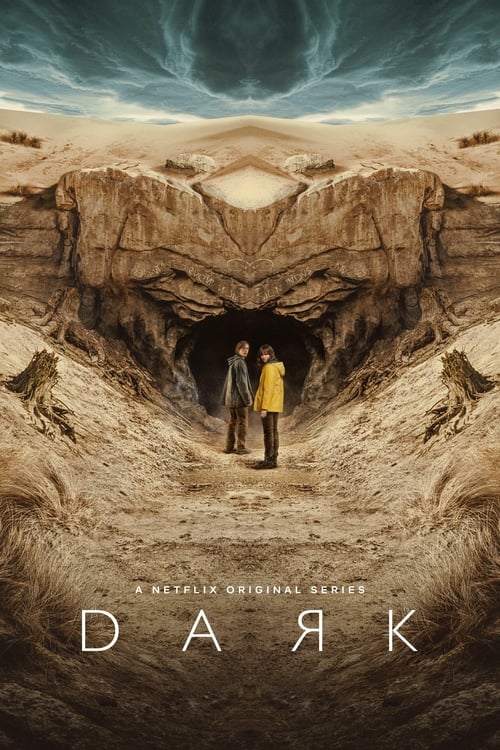







What is the ending?
In the ending of "Labaule & Erben," the characters face the culmination of their personal struggles and relationships. The family grapples with the consequences of their actions, leading to a resolution that brings both closure and new beginnings.
As the story unfolds in the final scenes, we see the family gathered at the beach house, a place that has been central to their conflicts and memories. The atmosphere is tense, filled with unspoken words and unresolved feelings. The characters reflect on their past decisions, and the weight of their choices hangs heavily in the air.
The eldest son, who has been at odds with his father throughout the series, finally confronts him about their strained relationship. This confrontation is raw and emotional, revealing deep-seated resentments and a longing for understanding. The father, initially defensive, begins to open up about his own fears and regrets, leading to a moment of vulnerability that shifts the dynamic between them.
Meanwhile, the daughter, who has been struggling with her identity and place within the family, finds the courage to express her own desires and aspirations. Her journey of self-discovery culminates in a heartfelt conversation with her mother, where they reconcile their differences and acknowledge the importance of supporting one another.
As the family begins to heal, they also face external challenges. A looming financial crisis threatens their beach house, symbolizing the fragility of their familial bonds. In a pivotal moment, they come together to devise a plan to save their home, showcasing their unity and commitment to one another.
The final scenes are filled with a sense of hope and renewal. The family stands together on the beach, watching the sunset, a visual metaphor for new beginnings. Each character has undergone significant growth, and while their future remains uncertain, they are now equipped to face it together.
In summary, the ending of "Labaule & Erben" encapsulates themes of reconciliation, personal growth, and the enduring strength of family ties. Each character emerges transformed, ready to embrace the challenges ahead with a newfound sense of unity and understanding.
Is there a post-credit scene?
In the 2018 TV show "Labaule & Erben," there is no post-credit scene. The series concludes its narrative without any additional scenes after the credits roll. The final moments of the show wrap up the character arcs and storylines, providing a sense of closure to the viewers. The focus remains on the main plot and character development throughout the episodes, culminating in a satisfying resolution without the need for an extra scene.
What secrets are revealed about the family throughout the series?
As the series unfolds, several dark secrets about the family's past come to light, including hidden affairs, financial troubles, and betrayals that have shaped their current relationships. These revelations not only create dramatic tension but also force the characters to confront their own identities and the legacies they wish to uphold or escape.
What is the significance of the family estate in Labaule & Erben?
The family estate serves as a central symbol of heritage and legacy in 'Labaule & Erben.' It represents the weight of familial expectations and the conflicts that arise from inheritance disputes. The characters' relationships with the estate reflect their personal struggles and desires, particularly as they navigate the complexities of family loyalty and individual ambition.
How does the character of Judith evolve throughout the series?
Judith begins as a seemingly passive character, caught in the web of her family's expectations. As the series progresses, she becomes more assertive, confronting her family's secrets and her own desires. Her emotional journey is marked by moments of self-discovery, particularly as she grapples with her role in the family and her aspirations beyond it.
What role does the character of Thomas play in the family dynamics?
Thomas acts as a catalyst for conflict within the family. His return to the estate stirs up old rivalries and unresolved tensions, particularly with Judith and their parents. His motivations are often driven by a desire for recognition and belonging, which complicates his relationships and adds layers to the family's struggles.
How do the relationships between siblings impact the plot?
The sibling relationships are fraught with tension and rivalry, which significantly drives the plot. Each sibling has their own agenda regarding the family estate, leading to betrayals and alliances that shift throughout the series. These dynamics highlight themes of jealousy, competition, and the longing for parental approval, ultimately shaping the characters' decisions and the unfolding drama.
Is this family friendly?
"Labaule & Erben" is a German television series that revolves around the dynamics of a family business and the complexities of familial relationships. While the show does explore themes of love, betrayal, and personal ambition, it also contains elements that may not be suitable for all audiences, particularly children or sensitive viewers.
-
Family Conflict: The series features intense family disputes that can be emotionally charged, showcasing arguments and confrontations that may be distressing for younger viewers.
-
Romantic Relationships: There are scenes depicting romantic entanglements, including infidelity and complicated love triangles, which may be confusing or inappropriate for children.
-
Financial Struggles: The characters face significant financial pressures and ethical dilemmas related to their business, which could be unsettling for viewers who are sensitive to themes of failure or loss.
-
Emotional Turmoil: Characters experience deep emotional struggles, including feelings of betrayal, jealousy, and despair, which may resonate strongly and evoke discomfort.
-
Mature Themes: The show touches on themes of mortality and legacy, which could be heavy for younger audiences to process.
Overall, while "Labaule & Erben" offers rich storytelling and character development, its exploration of complex adult themes may not be suitable for children or those who are sensitive to emotional distress.









