






















Popular
What is the significance of the relationship between Yaichi and Ai Hinatsuru?
How does Yaichi's character develop throughout the series?
What role does shogi play in the characters' lives?
What challenges does Ai face as a young female shogi player?
How does the rivalry between Yaichi and other shogi players affect the story?
Should I watch it?
Ask Your Own Question

What is the plot?
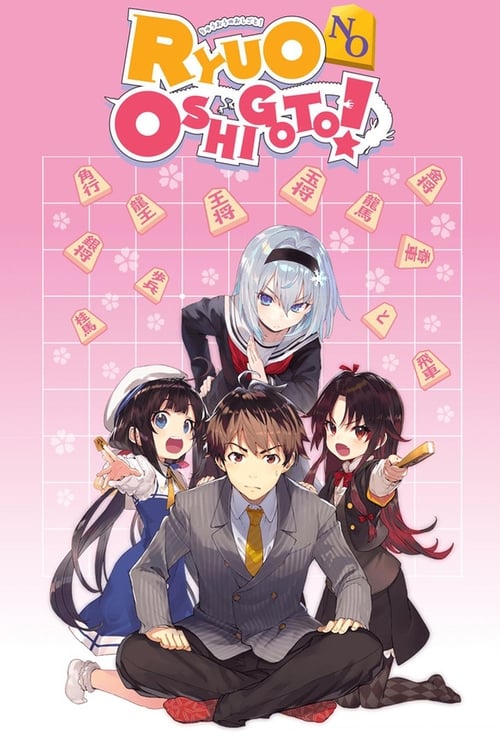
The story begins with the protagonist, 16-year-old Ryuuo, who is a talented shogi player and the reigning Ryuuo title holder. He is depicted as somewhat reclusive and introverted, often consumed by his passion for shogi. One day, while he is practicing, he encounters a young girl named Ai Hinatsuru, who is a shogi prodigy herself. Ai is determined to become Ryuuo's disciple, and she boldly declares her intention to learn from him. Ryuuo is initially taken aback by her confidence and talent, but he is also intrigued by her determination.
As Ai begins her training under Ryuuo, the two develop a mentor-student relationship. Ryuuo struggles with the responsibility of teaching Ai, as he is not used to being in a position of authority. He grapples with self-doubt about his own abilities and whether he can effectively guide her. Meanwhile, Ai's enthusiasm and dedication to shogi inspire Ryuuo, and he starts to take his role as a mentor more seriously. Their training sessions are filled with intense practice games, where Ai often surprises Ryuuo with her strategic thinking and skill.
The narrative progresses as Ryuuo and Ai participate in various shogi tournaments. They face off against formidable opponents, showcasing their growth and the bond they share. During these tournaments, Ryuuo's competitive nature is highlighted, and he begins to regain his confidence as he sees Ai's potential. However, the pressure of the competitions also weighs heavily on him, as he feels the expectations of being a titleholder and a mentor.
As the story unfolds, Ryuuo's relationship with Ai deepens, and he starts to confront his feelings for her. He becomes protective of her, especially when they encounter rival players who underestimate her due to her age and gender. This leads to several tense moments where Ryuuo must defend Ai's abilities, reinforcing his role as both a mentor and a guardian. Their dynamic is further complicated by the arrival of other shogi players, including the talented and ambitious Kawai, who poses a challenge to Ryuuo's title and his relationship with Ai.
In a pivotal tournament, Ryuuo faces off against Kawai, who has been steadily climbing the ranks and is determined to dethrone him. The match is intense, filled with strategic maneuvers and psychological warfare. Ryuuo's internal struggle is palpable as he fights not only for his title but also to prove himself as a worthy mentor to Ai. The match culminates in a nail-biting finish, where Ryuuo narrowly secures his victory, but the experience leaves him shaken and questioning his future in shogi.
Following the tournament, Ryuuo and Ai have a heart-to-heart conversation about their aspirations and fears. Ai expresses her desire to surpass Ryuuo, which both excites and terrifies him. This moment solidifies their bond, as Ryuuo realizes that he must support Ai's growth, even if it means one day losing to her. Their relationship evolves from mentor-student to something more profound, as they both acknowledge their mutual respect and admiration.
As the series progresses, Ryuuo faces various challenges, including personal doubts and external pressures from the shogi community. He learns to balance his responsibilities as a player and a mentor, while also navigating his feelings for Ai. The climax of the story builds towards a major tournament where Ryuuo must defend his title once again, this time against a new generation of players, including Ai, who is now a formidable contender.
In the final matches, Ryuuo and Ai both showcase their growth and skills. The tension is high as they face off against each other in a dramatic showdown. Ryuuo's internal conflict reaches its peak as he grapples with the idea of losing to his own disciple. The match is filled with emotional stakes, as both players push their limits. Ultimately, Ryuuo emerges victorious, but the experience is bittersweet as he realizes that Ai is now a true rival.
The series concludes with Ryuuo reflecting on his journey, acknowledging the importance of mentorship and the bonds formed through shogi. He embraces the idea of continuing to support Ai as she pursues her own path in the shogi world, setting the stage for their future endeavors together. The final scenes depict a sense of hope and determination as both characters look forward to the challenges ahead, solidifying their roles as both competitors and allies in the world of shogi.
More TV Shows Like This
Browse All TV Shows →


What is the ending?
In the ending of "The Ryuo's Work is Never Done!", the story culminates in a decisive match between the protagonist, Yaichi, and his rival, the talented young player, Ai Hinatsuru. The match showcases their growth and determination, ultimately leading to Yaichi's victory. This victory signifies not only his skill but also his acceptance of his role as a mentor. The series concludes with a sense of hope and the promise of future challenges, as Yaichi continues to guide Ai and others in the world of shogi.
As the final episodes unfold, the atmosphere is charged with anticipation. The scene opens in a large, brightly lit shogi hall, filled with spectators buzzing with excitement. The camera pans across the audience, capturing the eager faces of fans and fellow players, all waiting for the climactic match between Yaichi and Ai. The tension is palpable, and the stakes are high, as this match represents not just a game, but a culmination of their journeys.
Yaichi, the reigning Ryuo champion, sits at the shogi board, his expression a mix of focus and determination. He reflects on his growth as a player and a mentor, recalling the moments that led him to this point. His internal monologue reveals his fears of failing to live up to the expectations placed upon him, both by himself and by those who look up to him, especially Ai. He knows that this match is not just about winning; it's about passing on the knowledge and passion for shogi to the next generation.
Across the board, Ai Hinatsuru, a prodigious talent and Yaichi's student, prepares for the match with a fierce determination. Her eyes shine with ambition, and she is acutely aware of the significance of this moment. As she takes her seat, she recalls her training under Yaichi, the lessons learned, and the bond they have formed. Ai's motivation is clear: she wants to prove herself not only to Yaichi but also to the shogi community that she is a force to be reckoned with.
The match begins, and the camera captures the intricate movements of the pieces on the board, each move laden with strategy and emotion. The audience watches in rapt attention as the game unfolds, with both players showcasing their skills. The tension builds with each turn, and the stakes feel increasingly personal. Yaichi's experience clashes with Ai's youthful vigor, creating a dynamic that is both thrilling and poignant.
As the game progresses, flashbacks intersperse the current match, showing pivotal moments in Yaichi and Ai's relationship. These scenes highlight their struggles, triumphs, and the deep respect they have developed for one another. The audience sees how Yaichi has grown from a solitary champion to a mentor who genuinely cares for his students, while Ai transforms from a novice into a formidable player, embodying the spirit of shogi.
In a climactic moment, Yaichi makes a bold move that surprises everyone, including Ai. The tension peaks as Ai contemplates her next move, her mind racing with the weight of the match. She realizes that this is not just about winning; it's about understanding the game and the people behind it. With a deep breath, she makes her move, showcasing her growth and the lessons she has learned from Yaichi.
Ultimately, the match concludes with Yaichi emerging victorious. The audience erupts in applause, but the focus shifts to the emotional exchange between the two players. Yaichi, with a proud smile, acknowledges Ai's talent and hard work, encouraging her to continue pursuing her dreams in shogi. Ai, though disappointed, feels a sense of fulfillment and gratitude for the experience and the mentorship she has received.
The series closes with a scene of Yaichi and Ai walking together, discussing future matches and the journey ahead. The bond they share is evident, symbolizing the passing of knowledge and the continuity of the shogi tradition. The final shot lingers on the shogi board, a reminder that while this match has ended, the work and passion for the game will never truly be done. Each character, having faced their own challenges, is left with a renewed sense of purpose and the promise of new beginnings in their shogi careers.
Is there a post-credit scene?
In "The Ryuo's Work is Never Done!" there is indeed a post-credit scene that adds a light-hearted touch to the series. After the main credits roll, viewers are treated to a brief moment featuring the protagonist, Yaichi, and his young apprentice, Ai Hinatsuru.
In this scene, Yaichi is seen in a relaxed setting, perhaps at home, where he is trying to enjoy some quiet time. However, Ai bursts in with her usual energetic demeanor, eager to challenge him to a game of shogi. The playful banter between them highlights their mentor-apprentice relationship, showcasing Ai's determination and enthusiasm to improve her skills.
Yaichi, initially reluctant, is drawn in by Ai's infectious spirit. The scene captures a sense of warmth and camaraderie, emphasizing the bond they have developed throughout the series. As they set up the shogi board, the atmosphere is filled with a mix of competitive tension and affection, leaving viewers with a smile and a sense of hope for their future matches.
This post-credit moment encapsulates the essence of the show, reinforcing themes of growth, mentorship, and the joy of shogi, while also providing a light-hearted conclusion to the series.
What is the significance of the relationship between Yaichi and Ai Hinatsuru?
The relationship between Yaichi and Ai Hinatsuru is central to the narrative, showcasing a mentor-student dynamic that evolves throughout the series. Yaichi, a skilled shogi player, initially struggles with his own insecurities and the pressure of being a Ryuo, the highest title in shogi. Ai, a young prodigy, looks up to him and seeks to learn from his expertise. Their interactions are filled with emotional depth, as Yaichi grapples with his responsibilities and the expectations placed upon him, while Ai's determination and innocence inspire him to rediscover his passion for the game.
How does Yaichi's character develop throughout the series?
Yaichi's character undergoes significant development as he confronts his past failures and the weight of his title. Initially depicted as a somewhat aloof and disheartened player, he gradually opens up to Ai and other characters, revealing his vulnerabilities. His journey is marked by moments of self-doubt, particularly when faced with younger, talented opponents. However, through his interactions with Ai and the challenges they face together, Yaichi learns to embrace his role as a mentor, ultimately finding renewed purpose and joy in shogi.
What role does shogi play in the characters' lives?
Shogi serves as a pivotal element in the lives of the characters, acting as both a competitive sport and a means of personal expression. For Yaichi, it represents his career and the pressures that come with being a top player, while for Ai, it embodies her dreams and aspirations as she strives to become a professional. The game is depicted with intense emotional stakes, as victories and defeats impact the characters' self-worth and relationships. The series intricately weaves shogi matches into the narrative, highlighting the strategic depth of the game and its ability to forge connections between the characters.
What challenges does Ai face as a young female shogi player?
Ai faces numerous challenges as a young female shogi player in a predominantly male-dominated field. She encounters skepticism and prejudice from some of her peers and opponents, who doubt her abilities based on her gender. Additionally, Ai grapples with the pressure to prove herself and live up to the expectations of being a prodigy. Despite these obstacles, her determination and passion for shogi drive her to overcome adversity, showcasing her resilience and talent. The series highlights her struggles and triumphs, emphasizing the importance of perseverance in the face of societal challenges.
How does the rivalry between Yaichi and other shogi players affect the story?
The rivalry between Yaichi and other shogi players, particularly younger challengers, adds tension and excitement to the narrative. These rivalries serve as catalysts for Yaichi's character development, pushing him to confront his fears and insecurities. Each match is not just a test of skill but also a reflection of Yaichi's internal struggles and growth. The competitive atmosphere highlights the stakes involved in shogi, as victories can lead to renewed confidence or devastating defeats. This dynamic enriches the plot, as it intertwines personal growth with the competitive nature of the game.
Is this family friendly?
"The Ryuo's Work is Never Done!" is generally considered family-friendly, but it does contain some elements that may be sensitive for younger viewers or those who are particularly sensitive. Here are a few aspects to consider:
-
Competitive Atmosphere: The show revolves around the world of professional shogi, which includes intense competition and pressure. This may be stressful for some viewers, especially children who might not understand the stakes involved.
-
Emotional Struggles: Characters experience moments of self-doubt, anxiety, and frustration related to their performance and personal growth. These emotional scenes may resonate deeply and could be upsetting for sensitive viewers.
-
Mild Fanservice: There are instances of mild fanservice, including suggestive situations or character designs that may not be suitable for all audiences, particularly younger children.
-
Mentorship Dynamics: The relationship between the main character, Ryuu, and his young apprentice, Ai, includes themes of mentorship that can be complex, touching on the pressures of expectations and the weight of responsibility.
-
Character Conflicts: There are moments of conflict between characters that may involve harsh words or competitive rivalries, which could be intense for younger viewers.
Overall, while the series is not overtly inappropriate, these elements may warrant parental guidance for younger audiences.








