



















Popular
What challenges does the character Frances Barden face in her role as a community leader?
How does the character Sarah Barden's relationship with her mother evolve throughout the series?
What role does the character Pat Simms play in the dynamics of the Women's Institute?
How does the character of Joyce Cameron impact the community's response to the war?
What is the significance of the Women's Institute meetings in the development of the plot?
Should I watch it?
Ask Your Own Question

What is the plot?
In the small village of Great Paxford during World War II, the story begins with the women of the local community coming together to form a Women's Institute. The main character, Frances Barden, is introduced as a strong-willed woman who is determined to make a difference in her community. She is motivated by the desire to support the war effort and to provide a sense of normalcy amidst the chaos of war. Frances faces opposition from some villagers, particularly from the more traditional women who are skeptical of her modern ideas.
As the Women's Institute begins to take shape, Frances encounters various challenges, including the disapproval of her husband, who is struggling with his own feelings about the war and his role in it. Tensions rise as Frances tries to rally support for the Institute, and she faces personal struggles, including her relationship with her daughter, who is more interested in romance than in the war effort. The emotional stakes are high as Frances navigates her responsibilities as a mother and a community leader.
The narrative shifts to the introduction of other key characters, including the wealthy and influential woman, Sarah Barden, who is Frances's sister-in-law. Sarah's character is complex; she is both supportive and critical of Frances, often reflecting the societal pressures of the time. The dynamics between the women in the Institute begin to evolve as they work together on various projects, including organizing events to raise funds for the war effort.
As the war progresses, the village faces the reality of rationing and the impact of the conflict on their daily lives. The Women's Institute becomes a hub of activity, with the women engaging in various initiatives to support soldiers and their families. Frances's leadership is tested as she must make difficult decisions, such as prioritizing certain projects over others, which leads to conflicts within the group.
A significant plot point occurs when the village is informed that a local soldier has been killed in action. This news deeply affects the community, and the women of the Institute come together to support the grieving family. Frances takes the lead in organizing a memorial service, showcasing her ability to unite the community in times of sorrow. The emotional weight of loss becomes a recurring theme, as the women grapple with their fears and the realities of war.
As the story unfolds, personal relationships become strained. Frances's husband, who has been distant, begins to show signs of emotional turmoil, reflecting the broader impact of the war on men. Frances's daughter, meanwhile, becomes involved with a local boy, which complicates her relationship with her mother. The generational divide between Frances and her daughter highlights the differing perspectives on duty and sacrifice.
The tension escalates when a new character, a war correspondent named Tom, arrives in the village. His presence brings excitement but also jealousy among the women, particularly as he shows interest in Frances. This creates a rift in the Women's Institute, as some members feel threatened by the attention Frances receives. The emotional stakes rise as Frances must navigate her feelings for Tom while remaining committed to her family and community.
As the war continues, the village faces a crisis when a bombing raid occurs nearby. The women of the Institute spring into action, providing aid and support to those affected. This event serves as a turning point for the community, as they realize the war's impact is closer to home than they had anticipated. Frances emerges as a leader, rallying the women to take charge in the face of adversity.
In the aftermath of the bombing, the village begins to rebuild, but the emotional scars remain. Frances's relationship with her husband deteriorates further, leading to a confrontation where they must confront their feelings about the war and their roles within the family. This moment of vulnerability reveals the deep-seated fears and frustrations that have been building throughout the series.
As the story progresses, the Women's Institute faces internal strife, with members questioning Frances's leadership and the direction of their efforts. A pivotal meeting leads to a heated debate about the future of the Institute, forcing Frances to confront her own insecurities and the differing visions of the women involved. This conflict ultimately strengthens the bonds among the women, as they learn to appreciate each other's contributions.
The climax of the series occurs when the village receives news of the war's end. The women of the Institute come together to celebrate, but the joy is bittersweet as they reflect on the losses they have endured. Frances, now more confident in her leadership, takes the opportunity to honor the fallen and to acknowledge the sacrifices made by the community.
In the final scenes, the characters begin to envision a future beyond the war. Frances's relationship with her daughter improves as they find common ground in their shared experiences. The Women's Institute emerges as a symbol of resilience and unity, with the women committed to continuing their efforts to support one another and their community in the post-war world. The series concludes with a sense of hope and renewal, as the women look forward to rebuilding their lives together.









What is the ending?
In the ending of "Home Fires," the community of Great Paxford faces the reality of World War II as the Women's Institute struggles to maintain its purpose. The series concludes with the women coming together to support each other, but the future remains uncertain as they confront personal losses and the impact of war.
As the final episode unfolds, we see the women of the Women's Institute grappling with the changes brought on by the war. The episode opens with the aftermath of the air raid, which has left the village shaken. The community gathers to assess the damage and support one another, showcasing their resilience in the face of adversity.
Sarah Bunting, who has been a central figure throughout the series, is seen dealing with the emotional fallout of her husband's absence. She is torn between her responsibilities to her family and her desire to contribute to the war effort. Her internal struggle is palpable as she navigates her role within the community and her personal life.
Meanwhile, Frances Barden, the leader of the Women's Institute, is determined to keep the group united. She organizes a meeting to discuss how they can continue to support the war effort, emphasizing the importance of community and solidarity. Her leadership is tested as she faces opposition from some members who are weary of the ongoing conflict.
The tension escalates when the women learn about the fate of some of their loved ones. The news of casualties from the front lines hits the village hard, and the emotional weight of loss becomes a central theme. Each character reacts differently; some find solace in their work, while others struggle to cope with grief.
In a poignant scene, the women gather for a memorial service to honor those who have been lost. The atmosphere is heavy with sorrow, but it also serves as a moment of unity. They share stories, memories, and tears, reinforcing their bond as they face the uncertainty of the future together.
As the episode progresses, we see the characters' arcs come to a close. Sarah finds a renewed sense of purpose, deciding to take on a more active role in the Women's Institute, symbolizing her commitment to the community. Frances, despite the challenges, remains steadfast in her leadership, embodying the spirit of resilience that the series has championed.
The final moments of the episode depict the women standing together, looking out over their village. The camera captures their expressions--determined yet vulnerable--as they prepare to face whatever comes next. The series ends on a note of hope, suggesting that while the war may bring hardship, the strength of their community will help them endure.
In summary, the ending of "Home Fires" encapsulates the themes of resilience, community, and the personal sacrifices made during wartime, leaving the audience with a sense of both closure and anticipation for the future. Each character's journey reflects the broader struggles faced by women during World War II, highlighting their strength and solidarity in the face of adversity.
Is there a post-credit scene?
The TV show "Home Fires," produced in 2015, does not feature a post-credit scene. The series concludes with its final episode, wrapping up the storylines of the characters without any additional scenes after the credits. The focus remains on the emotional resolutions and the impact of World War II on the lives of the women in the village, leaving viewers with a sense of closure regarding their journeys.
What challenges does the character Frances Barden face in her role as a community leader?
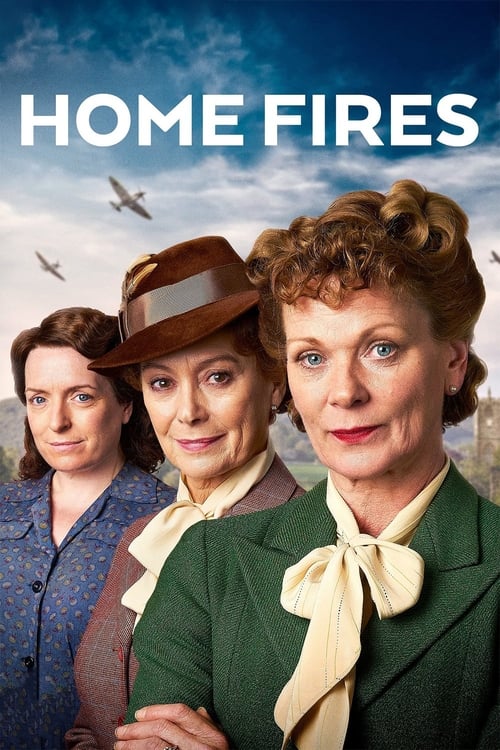
Frances Barden, portrayed by Samantha Bond, faces numerous challenges as she takes on the role of a community leader in the village of Great Paxford. As the war begins to impact daily life, she struggles to maintain morale among the women in the community while also dealing with her own personal issues, including the strain on her marriage and the pressure of organizing the Women's Institute. Her determination to support the war effort often puts her at odds with other villagers who have differing opinions on how to respond to the war.
How does the character Sarah Barden's relationship with her mother evolve throughout the series?
Sarah Barden, played by Claire Rushbrook, initially has a strained relationship with her mother, Frances. As the series progresses, Sarah's experiences, including her own struggles with love and independence, lead her to gain a deeper understanding of her mother's sacrifices and motivations. This evolution is marked by moments of conflict and reconciliation, particularly as they both navigate the challenges posed by the war and their differing views on women's roles.
What role does the character Pat Simms play in the dynamics of the Women's Institute?
Pat Simms, portrayed by Fiona Button, is a pivotal character in the Women's Institute, representing the younger generation of women. Her enthusiasm and modern ideas often clash with the more traditional views of some of the older members, particularly Frances. Pat's character embodies the changing social landscape of the time, as she seeks to assert her independence and challenge societal norms, which creates tension but also drives the narrative forward as the women unite for a common cause.
How does the character of Joyce Cameron impact the community's response to the war?
Joyce Cameron, played by Francesca Annis, is a complex character whose actions significantly influence the community's response to the war. Initially, she is portrayed as a wealthy and somewhat aloof figure, but as the series unfolds, her motivations and vulnerabilities are revealed. Joyce's decisions, particularly regarding her family's involvement in the war effort and her interactions with other villagers, often spark debates and divisions within the community, highlighting the varying perspectives on patriotism and sacrifice.
What is the significance of the Women's Institute meetings in the development of the plot?
The Women's Institute meetings serve as a crucial narrative device in 'Home Fires,' providing a space for the characters to express their fears, hopes, and frustrations regarding the war. These gatherings become a microcosm of the larger societal changes occurring during the time, as the women discuss not only practical matters related to the war effort but also personal issues that affect their lives. The meetings often lead to conflicts and alliances that drive character development and plot progression, showcasing the strength and resilience of the community.
Is this family friendly?
"Home Fires," produced in 2015, is a British drama series set during World War II, focusing on the lives of women in a rural community as they navigate the challenges of war. While the show is generally suitable for family viewing, there are some potentially objectionable or upsetting aspects that may affect children or sensitive viewers:
-
War-related Themes: The backdrop of World War II brings themes of loss, fear, and uncertainty, which may be distressing for younger viewers.
-
Emotional Struggles: Characters experience significant emotional turmoil, including grief over lost loved ones, anxiety about the war, and the pressures of maintaining family and community ties.
-
Conflict and Tension: There are scenes depicting interpersonal conflicts among characters, which may include arguments and disagreements that could be uncomfortable for some viewers.
-
Depictions of Hardship: The show portrays the struggles of rationing, the impact of war on daily life, and the emotional toll it takes on families, which may be heavy for sensitive audiences.
-
Mature Themes: Some storylines touch on themes of infidelity, betrayal, and social class tensions, which may require a more mature understanding.
Overall, while "Home Fires" is not overtly graphic or violent, its emotional depth and historical context may resonate differently with various viewers, particularly children or those sensitive to themes of loss and conflict.