
















Popular
What is the significance of Abraham Lincoln's childhood in the film?
How does the relationship between Abraham Lincoln and his mother evolve throughout the film?
What role does Lincoln's father play in shaping his character?
How does the film depict the theme of education in Lincoln's early life?
What is the impact of the setting on Lincoln's character development in the film?
Should I watch it?
Ask Your Own Question

What is the plot?
Sorry, we aren't able to watch and write up a full detailed plot yet. Check back in a few days.




What is the ending?
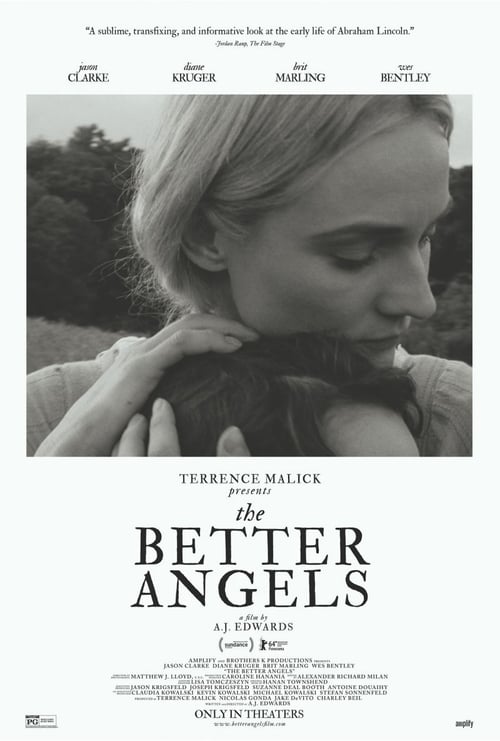
In the ending of "The Better Angels," young Abraham Lincoln faces the loss of his mother, Nancy, which profoundly impacts his life. The film concludes with a poignant scene that emphasizes the themes of loss and the shaping of Lincoln's character.
As the film progresses towards its conclusion, we see a young Abraham Lincoln, portrayed with a sense of innocence and curiosity, navigating the complexities of his childhood in rural Indiana. The emotional weight of the story builds as we witness the close bond between Lincoln and his mother, Nancy Hanks Lincoln. She is a nurturing figure, instilling in him a love for literature and a sense of morality.
In the final act, Nancy falls gravely ill, and the atmosphere becomes heavy with foreboding. The family is depicted in a state of distress, with young Lincoln showing signs of confusion and fear as he grapples with the impending loss. The cinematography captures the somber mood, with dim lighting and close-up shots of Lincoln's anxious expressions, reflecting his internal turmoil.
As Nancy's condition worsens, the family gathers around her, and the emotional tension escalates. The scene is intimate, filled with hushed whispers and the sound of soft weeping. Lincoln's father, Thomas, is portrayed as a stoic figure, struggling to maintain composure while dealing with his own grief. The contrast between the parents' emotional states highlights the impact of Nancy's illness on the family dynamic.
In a heart-wrenching moment, Nancy passes away, leaving young Lincoln devastated. The camera lingers on his face, capturing the raw pain of loss. He is shown standing alone, a small figure against the vastness of the landscape, symbolizing his isolation in the wake of tragedy. This moment marks a significant turning point in Lincoln's life, shaping his future character and resilience.
The film concludes with a sense of somber reflection. Young Lincoln is left to navigate his grief, and the audience is left with the understanding that this loss will profoundly influence his journey into adulthood. The final scenes emphasize the themes of loss, memory, and the enduring impact of a mother's love, setting the stage for Lincoln's future as a leader shaped by his early experiences.
In summary, the ending of "The Better Angels" encapsulates the emotional core of Lincoln's early life, focusing on the loss of his mother and the profound effect it has on his character development. Each main character--young Lincoln, Nancy, and Thomas--faces the reality of loss, with Lincoln emerging as a figure marked by both sorrow and resilience.
Is there a post-credit scene?
The movie "The Better Angels," produced in 2014, does not contain a post-credit scene. The film concludes its narrative without any additional scenes or content after the credits roll. The story focuses on the early life of Abraham Lincoln, exploring his childhood in Indiana and the formative experiences that shaped his character and future. The film ends on a poignant note, emphasizing themes of loss, family, and the development of Lincoln's moral compass, leaving the audience with a sense of reflection rather than a continuation of the story.
What is the significance of Abraham Lincoln's childhood in the film?
The film delves into Abraham Lincoln's formative years, showcasing his upbringing in a modest household in Indiana. It highlights the struggles of his family, particularly the influence of his mother, Nancy Hanks Lincoln, who instills in him a love for reading and learning. This early environment shapes Lincoln's character, emphasizing themes of resilience and the pursuit of knowledge.
How does the relationship between Abraham Lincoln and his mother evolve throughout the film?
The relationship between Lincoln and his mother is central to the narrative. Initially, she is a guiding force in his life, encouraging his intellectual pursuits. However, as the story progresses, her untimely death profoundly impacts Lincoln, leaving him with a sense of loss and a deeper understanding of life's hardships. This emotional turmoil is depicted through Lincoln's reflective moments and his struggle to cope with her absence.
What role does Lincoln's father play in shaping his character?
Lincoln's father, Thomas Lincoln, is portrayed as a stern and pragmatic figure, often at odds with his son's aspirations. His disapproval of Abraham's literary interests creates tension, highlighting the generational conflict between ambition and practicality. This dynamic influences Lincoln's determination to forge his own path, despite his father's expectations, ultimately contributing to his development as a leader.
How does the film depict the theme of education in Lincoln's early life?
Education is a pivotal theme in 'The Better Angels.' The film illustrates Lincoln's insatiable thirst for knowledge, as he often seeks out books and learning opportunities despite limited resources. His interactions with various characters, including mentors and peers, underscore the importance of education in shaping his worldview and moral compass, setting the stage for his future as a thinker and leader.
What is the impact of the setting on Lincoln's character development in the film?
The rural Indiana setting plays a crucial role in Lincoln's character development. The harsh realities of frontier life, coupled with the beauty of the natural landscape, serve as a backdrop for his formative experiences. The struggles of his family and the community around him instill a sense of empathy and resilience in Lincoln, influencing his later political ideals and his commitment to justice and equality.
Is this family friendly?
"The Better Angels," produced in 2014, is a historical drama that explores the early life of Abraham Lincoln through the lens of his family and formative experiences. While the film is generally suitable for a family audience, there are a few aspects that may be considered objectionable or upsetting for children or sensitive viewers:
-
Death and Grief: The film addresses themes of loss, particularly the death of family members. Scenes depicting mourning and the emotional impact of loss may be intense for younger viewers.
-
Violence and Conflict: There are references to the harsh realities of frontier life, including the struggles and conflicts faced by the family. While not graphic, the implications of violence and hardship are present.
-
Emotional Struggles: Characters experience significant emotional turmoil, including feelings of despair and hopelessness. These moments may be heavy for sensitive viewers.
-
Family Dynamics: The film portrays complex family relationships, including tension and conflict, which may be difficult for some children to understand.
Overall, while "The Better Angels" is not overtly graphic or violent, its themes of loss, emotional struggle, and the harshness of life may require parental guidance for younger audiences.









