










Popular
What motivates the Hobo to take action against the crime in the city?
How does the Hobo acquire the shotgun?
What role does the character of Abby play in the Hobo's journey?
What is the significance of the character Drake in the story?
How does the Hobo's perception of violence change throughout the film?
Should I watch it?
Ask Your Own Question

What is the plot?
Sorry, we aren't able to watch and write up a full detailed plot yet. Check back in a few days.

What is the ending?
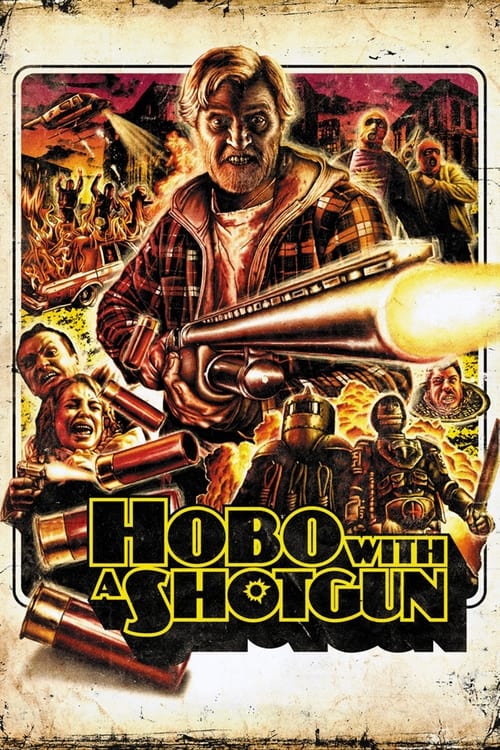
In the ending of "Hobo with a Shotgun," the Hobo confronts the corrupt crime lord, Drake, and his violent gang. After a brutal showdown, the Hobo ultimately defeats Drake but is mortally wounded in the process. He manages to take down the gang, but his victory is bittersweet as he succumbs to his injuries. The film concludes with a haunting image of the Hobo lying in a pool of blood, symbolizing the cost of his fight against evil.
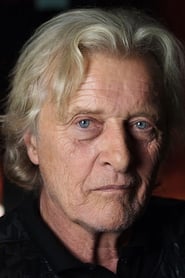
As the climax of "Hobo with a Shotgun" unfolds, the Hobo, played by Rutger Hauer, finds himself in a final confrontation with Drake, the sadistic crime lord who has terrorized the city. The scene is set in a dilapidated warehouse, dimly lit and filled with the remnants of violence that have plagued the streets. The Hobo, armed with his trusty shotgun, is determined to end the reign of terror that Drake and his gang have inflicted upon the innocent.
The tension escalates as the Hobo makes his way through the warehouse, encountering various members of Drake's gang. Each encounter is brutal, showcasing the Hobo's resolve and the desperation of his mission. He dispatches gang members with a mix of grit and determination, his face a mask of both anger and sorrow. The Hobo is not just fighting for himself; he is fighting for the lost souls of the city, including the young prostitute, Abby, who has been a symbol of hope and innocence throughout the film.
As he reaches the heart of the warehouse, he confronts Drake, who is reveling in his power and the chaos he has created. The two engage in a fierce battle, with Drake taunting the Hobo, underestimating his resolve. The Hobo, fueled by a mix of rage and a desire for justice, fights back with everything he has. The fight is brutal, showcasing the physical toll it takes on both men. The Hobo's movements are fueled by desperation, each shot from his shotgun echoing the cries of the city's victims.
In a climactic moment, the Hobo manages to gain the upper hand, shooting Drake and wounding him severely. However, in the process, the Hobo is also gravely injured. As he stands over the fallen Drake, the weight of his actions begins to settle in. The victory feels hollow as he realizes the cost of his fight. The warehouse, once a symbol of evil, now becomes a graveyard of lost hopes and dreams.
As the scene shifts, the Hobo stumbles out of the warehouse, bloodied and weak. The streets are eerily quiet, a stark contrast to the chaos that had reigned. He collapses in a pool of his own blood, the camera lingering on his face, capturing the pain and the fleeting sense of peace that washes over him. In his final moments, he reflects on the journey he has taken, the lives he has tried to save, and the darkness that still looms over the city.
The film closes with a haunting image of the Hobo lying lifeless, a tragic hero who fought against insurmountable odds. The fate of Abby remains uncertain, as she is left to navigate a world still filled with danger and corruption. Drake, though defeated, leaves behind a legacy of violence that will continue to haunt the city. The ending serves as a poignant reminder of the cost of fighting evil and the sacrifices made in the name of justice.
Is there a post-credit scene?
In "Hobo with a Shotgun," there is no post-credit scene. The film concludes with a climactic and violent finale, where the Hobo confronts the corrupt forces in the city. After the intense resolution of the main storyline, the credits roll without any additional scenes or content following them. The film ends on a definitive note, encapsulating the themes of vengeance and the struggle against corruption without extending the narrative further in a post-credit sequence.
What motivates the Hobo to take action against the crime in the city?
The Hobo, portrayed by Rutger Hauer, is driven by a deep sense of justice and a desire to protect the innocent. After witnessing the rampant violence and corruption in the city, particularly the brutal acts committed by the local crime lord, he becomes increasingly frustrated and disillusioned. His initial hope for a better life is shattered by the harsh realities around him, pushing him to take up arms in an effort to restore some semblance of order and safety.
How does the Hobo acquire the shotgun?
The Hobo acquires the shotgun after he witnesses a horrific act of violence in the city. He initially comes to the city with dreams of starting anew, but after seeing the brutality inflicted by the local gang, he decides to take matters into his own hands. He uses his meager savings to purchase the shotgun from a pawn shop, symbolizing his transformation from a passive observer to an active participant in the fight against crime.
What role does the character of Abby play in the Hobo's journey?
Abby, played by Molly Dunsworth, serves as a beacon of hope and humanity in the Hobo's bleak world. She is a kind-hearted prostitute who shows compassion towards the Hobo, offering him friendship and support. Her character represents the innocence that is being destroyed by the violence around them. The Hobo's feelings for Abby deepen his resolve to fight against the crime lords, as he wants to protect her and others like her from the horrors of their environment.
What is the significance of the character Drake in the story?
Drake, portrayed by Gregor Truter, is the main antagonist and the crime lord who embodies the corruption and moral decay of the city. His sadistic nature and ruthless control over the city create a palpable sense of fear among its inhabitants. Drake's character serves as a direct foil to the Hobo, representing everything the Hobo stands against. The escalating conflict between them drives the narrative forward, culminating in a violent showdown that highlights the struggle between good and evil.
How does the Hobo's perception of violence change throughout the film?
Initially, the Hobo is horrified by the violence he witnesses in the city, feeling a sense of helplessness. However, as he becomes more embroiled in the fight against crime, his perception shifts. He begins to embrace violence as a necessary means to an end, believing that it is the only way to achieve justice in a lawless environment. This transformation reflects his internal struggle and the moral complexities of his actions, as he grapples with the consequences of becoming a vigilante.
Is this family friendly?
"Hobo with a Shotgun" is not family-friendly and contains numerous elements that may be objectionable or upsetting for children and sensitive viewers. Here are some aspects to consider:
-
Graphic Violence: The film features intense and explicit scenes of violence, including shootings, stabbings, and brutal beatings, often depicted in a stylized manner.
-
Gore: There are several scenes that showcase graphic depictions of blood and bodily harm, which can be disturbing.
-
Strong Language: The dialogue includes frequent use of profanity and derogatory terms, contributing to the film's gritty tone.
-
Sexual Content: There are scenes that involve sexual exploitation and suggestive imagery, which may be inappropriate for younger audiences.
-
Dark Themes: The film explores themes of crime, corruption, and moral decay, presenting a bleak view of society that may be unsettling.
-
Drug Use: There are instances of drug use and references to addiction, which may be distressing for some viewers.
Overall, the film's tone and content are aimed at an adult audience and are likely to be unsuitable for children or those who are sensitive to violence and dark themes.







