

















Popular
What are some of the recurring characters in Palmashow - L'émission and their roles?
How does the show use parody to comment on French culture?
What is the significance of the recurring sketch 'Les Inconnus' in the series?
Can you describe a specific sketch that highlights the show's humor style?
How do the characters' relationships evolve throughout the sketches?
Should I watch it?
Ask Your Own Question

What is the plot?
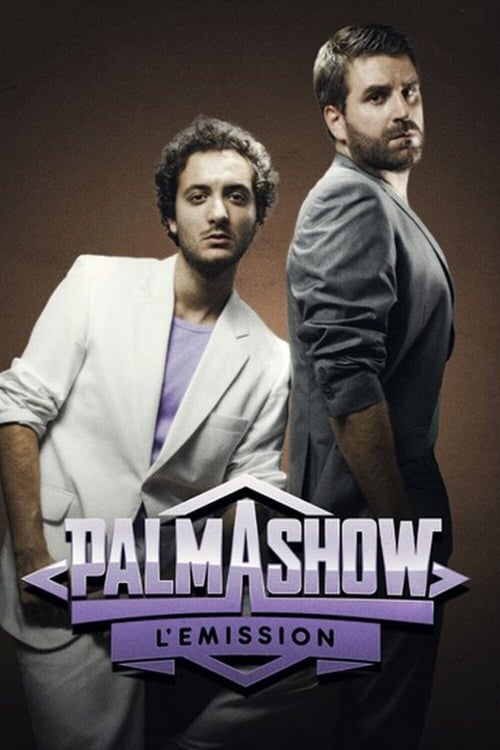
"Palmashow - L'émission" is a sketch comedy show that aired in 2012, featuring a variety of comedic segments, parodies, and humorous skits. The show does not follow a traditional narrative structure with a linear plot, but rather consists of a series of standalone sketches that often satirize various aspects of French culture, media, and everyday life.
The show opens with a lively introduction featuring the main comedic duo, Grégoire Ludig and David Marsais, who set the tone for the episode with their energetic banter and humorous observations. They often break the fourth wall, engaging directly with the audience and establishing a playful atmosphere.
In the first sketch, the duo parodies a popular reality TV show, exaggerating the personalities of the contestants and the absurdity of the situations they find themselves in. The sketch is filled with over-the-top reactions, dramatic confessions, and comedic misunderstandings, showcasing the duo's talent for physical comedy and timing.
Following this, a segment features a mock news report where Grégoire and David play exaggerated versions of news anchors. They deliver absurd headlines and stories, often incorporating visual gags and humorous graphics that enhance the comedic effect. The anchors' increasingly ridiculous commentary on mundane events highlights the absurdity of sensationalist media.
Another sketch involves a fictional infomercial for a bizarre product, where the duo presents the item with exaggerated enthusiasm. They demonstrate its "features" in increasingly ludicrous scenarios, drawing laughter from the audience as they showcase the product's impracticality. The sketch culminates in a chaotic scene where the product malfunctions, leading to a series of slapstick moments.
As the episode progresses, the duo introduces recurring characters, such as a clueless detective or a quirky family, each with their own comedic quirks. These characters often find themselves in absurd situations that escalate quickly, leading to humorous resolutions that play on stereotypes and clichés.
In one memorable sketch, Grégoire and David portray rival chefs in a cooking competition. The tension builds as they attempt to outdo each other with increasingly outrageous dishes. The competition spirals out of control, resulting in a food fight that leaves the kitchen in disarray, showcasing the duo's physical comedy skills.
The episode also features guest appearances from various comedians and actors, who join in on the sketches, adding to the humor and variety. Their interactions with Grégoire and David often lead to unexpected comedic moments, further enriching the episode's content.
As the show nears its conclusion, the duo wraps up with a final sketch that ties together themes from the episode. This sketch often serves as a humorous commentary on the absurdity of the world around them, leaving the audience with a final laugh.
The episode ends with a playful outro, where Grégoire and David thank the audience and tease upcoming sketches or themes for future episodes, maintaining the lighthearted and engaging tone that characterizes "Palmashow - L'émission."









What is the ending?
The ending of Palmashow - L'émission features a series of comedic sketches that culminate in a humorous and chaotic finale, showcasing the show's signature style of absurdity and satire. The main characters, Grégoire Ludig and David Marsais, engage in various comedic scenarios that highlight their dynamic and the show's playful take on everyday situations.
In a more detailed narrative, the final scenes of Palmashow - L'émission unfold with a series of sketches that blend surreal humor with relatable situations.
Scene 1: The episode opens with Grégoire and David in a mock news segment, where they report on increasingly ridiculous events happening in their fictional world. Their exaggerated delivery and the absurdity of the news items create a comedic atmosphere, setting the tone for the finale.
Scene 2: Transitioning to a sketch about a cooking show, Grégoire takes on the role of a flamboyant chef, while David plays the skeptical sous-chef. The kitchen quickly devolves into chaos as Grégoire's over-the-top cooking methods lead to a series of mishaps, including exploding ingredients and a fire that David desperately tries to extinguish. Their comedic timing and physical comedy shine through, showcasing their chemistry as performers.
Scene 3: The next sketch features a parody of a popular reality show, where contestants must navigate absurd challenges. Grégoire and David portray exaggerated versions of themselves, competing in ludicrous tasks that highlight their rivalry and camaraderie. The challenges escalate in ridiculousness, leading to slapstick moments that keep the audience laughing.
Scene 4: As the sketches progress, the duo finds themselves in a mock superhero scenario, where they attempt to save the day from a nonsensical villain. Their costumes are hilariously impractical, and their attempts at heroism are met with failure, emphasizing the show's theme of embracing failure and absurdity.
Scene 5: The finale culminates in a grand musical number, where Grégoire and David, along with a cast of supporting characters, perform a catchy and over-the-top song that encapsulates the spirit of the show. The stage is filled with vibrant colors, confetti, and exaggerated choreography, creating a festive atmosphere. The characters express their joy in the absurdity of life, celebrating their friendship and the comedic journey they've shared.
In the closing moments, Grégoire and David share a heartfelt yet humorous exchange, reflecting on their experiences throughout the show. They acknowledge the chaos and laughter they've created together, solidifying their bond as friends and collaborators. The screen fades to black as the audience is left with a sense of joy and laughter, encapsulating the essence of Palmashow - L'émission.
Throughout the ending, the characters remain true to their comedic roots, embracing the absurdity of their situations while highlighting the importance of friendship and laughter in navigating life's challenges. Each character's fate is tied to their comedic journey, with Grégoire and David emerging as the triumphant duo, ready to take on whatever absurdity comes next.
Is there a post-credit scene?
In "Palmashow - L'émission," there are no traditional post-credit scenes as seen in many films or series. The show is structured around sketches and comedic segments that often conclude with a punchline or a humorous twist. Each episode wraps up with a final sketch or a comedic bit that serves as a conclusion to the themes explored throughout the episode.
The humor is often absurd and satirical, reflecting the show's overall tone. While there may be recurring characters or themes that carry over from one sketch to another, the format does not typically include a separate post-credit scene that expands on the narrative or provides additional content after the credits roll. Instead, the focus remains on delivering a series of comedic moments that stand alone within the episode.
What are some of the recurring characters in Palmashow - L'émission and their roles?
In Palmashow - L'émission, recurring characters include David Marsais and Grégoire Ludig, who often portray various comedic roles, including parodies of celebrities and everyday situations. Their dynamic and chemistry drive many sketches, showcasing their ability to switch between characters seamlessly.
How does the show use parody to comment on French culture?
The show features sketches that parody popular French television shows, movies, and cultural phenomena, often exaggerating traits or situations for comedic effect. For instance, they might mimic a famous cooking show, highlighting the absurdity of competitive cooking through over-the-top characters and scenarios.
What is the significance of the recurring sketch 'Les Inconnus' in the series?
The 'Les Inconnus' sketch serves as a homage to the iconic French comedy group, blending nostalgia with humor. It showcases the characters' admiration for the original group while adding a modern twist, allowing the audience to connect with both the past and present of French comedy.
Can you describe a specific sketch that highlights the show's humor style?
One notable sketch features a mockumentary style segment where David and Grégoire attempt to create a viral video. The absurdity escalates as they try increasingly ridiculous ideas, showcasing their comedic timing and the show's signature blend of satire and slapstick humor.
How do the characters' relationships evolve throughout the sketches?
Throughout the sketches, the relationships between characters often shift from camaraderie to rivalry, particularly in competitive scenarios. This evolution adds depth to their interactions, as viewers witness the underlying tensions and friendships that develop, enhancing the comedic stakes.
Is this family friendly?
"Palmashow - L'émission," produced in 2012, is a French comedy show known for its satirical and often absurd humor. While it features a variety of sketches and comedic scenarios, it may not be entirely family-friendly due to certain elements.
Potentially objectionable or upsetting aspects include:
- Adult Humor: Many sketches contain innuendos or references that may not be suitable for younger audiences.
- Satirical Content: The show often parodies real-life situations, which can include dark or controversial themes that might be unsettling for sensitive viewers.
- Physical Comedy: Some sketches involve slapstick humor that could be perceived as violent or aggressive, which might not be appropriate for children.
- Language: There may be instances of strong language or crude expressions that could be considered inappropriate for younger viewers.
Overall, while "Palmashow - L'émission" is comedic in nature, its humor may not align with the sensibilities of all families, particularly those with younger children or sensitive individuals.