
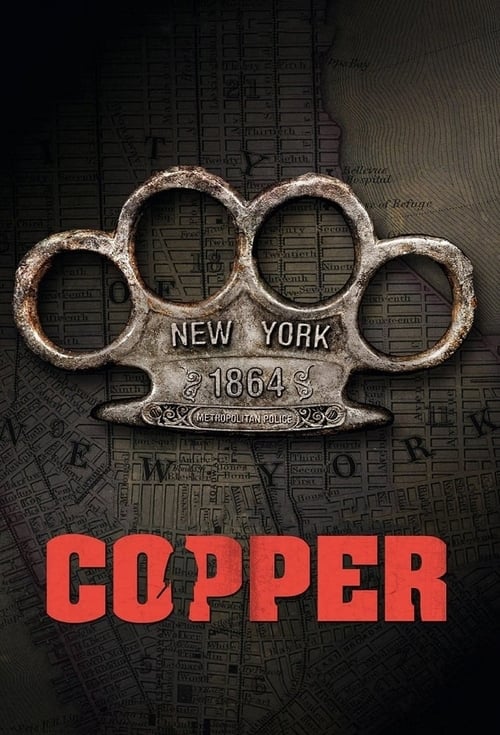










Popular
What motivates Detective Kevin Corcoran in his pursuit of justice throughout the series?
How does the relationship between Corcoran and his friend, Dr. Matthew Freeman, evolve throughout the series?
What role does the character of Elizabeth Haverford play in Corcoran's life and the overall narrative?
What are the key events that lead to the murder of Corcoran's wife, and how does this impact him?
How does the character of Irish mobster 'The Butcher' influence the plot and Corcoran's journey?
Should I watch it?
Ask Your Own Question

What is the plot?
In 1864 New York City, the story begins with Kevin Corcoran, a former Irish soldier turned detective, investigating the murder of a young girl named Annie. The case is personal for Corcoran, as he is haunted by the loss of his own daughter, who was also murdered. He navigates the gritty streets of Five Points, a neighborhood rife with crime and corruption, seeking justice while grappling with his own demons.
Corcoran's investigation leads him to a brothel owned by a woman named Eva Heissen. He learns that Annie was last seen in the company of a wealthy man, which raises suspicions about the involvement of the upper class in the crime. Corcoran confronts Eva, who reveals that she has information about the man but is reluctant to share it due to the danger it poses to her. Despite the risks, Corcoran persuades her to help him, showcasing his determination to uncover the truth.
As Corcoran delves deeper into the case, he faces opposition from the police and the political elite, who want to keep the scandal under wraps. He encounters his friend and fellow officer, Francis Maguire, who provides support but is also wary of the consequences of Corcoran's relentless pursuit of justice. The tension between them highlights the moral complexities of their work in a corrupt system.
Corcoran's investigation leads him to a powerful politician, who is revealed to have connections to the murder. This discovery puts Corcoran in a precarious position, as he must navigate the dangerous waters of political influence while trying to protect those he cares about. He becomes increasingly isolated, as his obsession with the case alienates him from his friends and allies.
In a pivotal moment, Corcoran confronts the politician, demanding answers about Annie's murder. The confrontation escalates, and Corcoran is threatened, but he refuses to back down. This moment solidifies his resolve to seek justice, even at great personal risk. The stakes are raised as he realizes that the murder is part of a larger conspiracy involving child trafficking and exploitation.
As the investigation unfolds, Corcoran's personal life becomes increasingly complicated. He struggles with his feelings for Eva, who is entangled in her own dangerous circumstances. Their relationship deepens, but the threat of violence looms over them, creating a sense of urgency and desperation. Corcoran's internal conflict between his duty as a detective and his desire for personal connection intensifies.
The climax of the season occurs when Corcoran uncovers a secret meeting of the city's elite, where they discuss their involvement in the trafficking ring. He infiltrates the gathering, gathering evidence that could expose the truth. However, his presence is discovered, leading to a tense confrontation where he must fight for his life against hired thugs. The scene is chaotic, filled with physical struggle and the palpable fear of being caught.
In the aftermath of the confrontation, Corcoran is left battered but determined. He realizes that he cannot trust anyone in his pursuit of justice, as even those closest to him may have ulterior motives. The emotional toll of the investigation weighs heavily on him, as he grapples with the loss of his daughter and the darkness of the world around him.
As the season progresses, Corcoran's quest for justice leads him to unexpected alliances and betrayals. He learns more about the extent of the corruption in the city, and the personal sacrifices he must make become increasingly apparent. The narrative weaves through themes of loyalty, betrayal, and the struggle for redemption, culminating in a series of events that challenge Corcoran's beliefs and motivations.
In the final episodes, Corcoran's relentless pursuit of the truth comes to a head as he confronts the mastermind behind the trafficking ring. The showdown is intense, filled with emotional stakes as Corcoran fights not only for justice but for his own redemption. The resolution of the case brings both closure and new challenges, as Corcoran must face the consequences of his actions and the impact they have on his relationships.
The season concludes with Corcoran standing at a crossroads, reflecting on the cost of his quest for justice. The emotional weight of his journey is palpable, leaving him to ponder the future and the choices he must make in a world that is often unforgiving. The final scenes hint at the ongoing struggle for justice in a corrupt society, setting the stage for future conflicts and character development.
🔥 Trending TV Shows Now
Browse All TV Shows →







What is the ending?
In the ending of "Copper," Detective Kevin Corcoran confronts the truth about his past and the people around him. He faces the consequences of his actions and the choices he has made throughout the series. The story culminates in a tragic confrontation that leads to significant losses for Corcoran and those he cares about, ultimately leaving him in a state of despair and reflection.
As the final episode unfolds, we find Kevin Corcoran, a hardened detective in 1860s New York City, grappling with the weight of his past and the loss of his daughter, who was murdered. The episode begins with Corcoran receiving a tip about the whereabouts of the man responsible for his daughter's death, which reignites his quest for vengeance.
Scene 1: The Hunt for Justice Corcoran, fueled by rage and desperation, tracks down the man he believes is connected to his daughter's murder. The streets of Five Points are alive with the chaos of the city, but Corcoran's focus is singular. He navigates through the dark alleys, his face a mask of determination and pain. The camera captures the grit of the environment, reflecting Corcoran's internal turmoil.
Scene 2: Confrontation Corcoran finally confronts the man, a figure shrouded in shadows, in a dimly lit warehouse. The tension is palpable as they exchange words filled with anger and regret. Corcoran's emotional state is raw; he is torn between the desire for justice and the realization that vengeance may not bring him peace. The confrontation escalates, and in a moment of heated passion, Corcoran's actions lead to a tragic outcome.
Scene 3: The Aftermath In the aftermath of the confrontation, Corcoran is left to deal with the consequences of his actions. The weight of his choices bears down on him, and he is haunted by the ghosts of his past. The scene shifts to his friend, Dr. Matthew Freeman, who has been a steadfast ally throughout Corcoran's journey. Freeman is shown grappling with his own demons, reflecting on the cost of loyalty and the impact of the choices made by those around him.
Scene 4: Loss and Reflection As the episode progresses, we see Corcoran visiting the grave of his daughter, a poignant moment that encapsulates his grief and longing for redemption. The cemetery is shrouded in mist, symbolizing the uncertainty of his future. Corcoran kneels, tears streaming down his face, as he reflects on the life he could have had and the love he lost.
Scene 5: A New Beginning In the final moments, Corcoran stands at a crossroads. He is faced with the decision to continue down a path of vengeance or to seek a new purpose. The camera lingers on his face, capturing the conflict within him. Ultimately, he chooses to walk away from the darkness, symbolizing a glimmer of hope amidst the despair.
The fate of the main characters is sealed in this emotional climax. Corcoran is left to navigate a world forever changed by his choices, while Freeman contemplates the fragility of life and friendship. The series concludes with a sense of unresolved tension, leaving viewers to ponder the complexities of justice, loss, and the human condition.
Is there a post-credit scene?
The TV show "Copper," produced in 2012, does not feature any post-credit scenes. The series, set in 1860s New York City, focuses on the life of Irish immigrant and police officer Kevin Corcoran as he navigates the complexities of crime, corruption, and personal loss in a rapidly changing society. Each episode concludes without additional scenes after the credits, maintaining a straightforward narrative structure that emphasizes the unfolding drama and character development throughout the series.
What motivates Detective Kevin Corcoran in his pursuit of justice throughout the series?
Detective Kevin Corcoran, a former soldier in the Civil War, is driven by a deep sense of duty and a personal quest for redemption. Haunted by the loss of his wife, who was murdered, Corcoran's emotional turmoil fuels his relentless pursuit of justice in the chaotic streets of 1860s New York City. His motivations are further complicated by his connections to the Irish immigrant community and his struggles with the corrupt systems around him.
How does the relationship between Corcoran and his friend, Dr. Matthew Freeman, evolve throughout the series?
The relationship between Corcoran and Dr. Matthew Freeman is complex and evolves significantly over the course of the series. Initially, they share a bond forged in their experiences during the war, but as the series progresses, their differing views on race, justice, and morality create tension. Freeman, an African American doctor, often finds himself at odds with Corcoran's methods and the societal prejudices of the time, leading to moments of conflict and reconciliation that highlight their deep friendship and the societal challenges they face.
What role does the character of Elizabeth Haverford play in Corcoran's life and the overall narrative?
Elizabeth Haverford serves as a pivotal character in Corcoran's life, representing both his past and the complexities of his present. As a former love interest, her reappearance in his life stirs unresolved feelings and complicates his emotional state. Elizabeth's struggles with her own societal position and her involvement in the upper echelons of New York society contrast sharply with Corcoran's gritty reality, creating a dynamic that explores themes of class, loyalty, and the impact of personal choices on their lives.
What are the key events that lead to the murder of Corcoran's wife, and how does this impact him?
The murder of Corcoran's wife, Anna, is a pivotal event that sets the tone for the entire series. It occurs amidst the backdrop of a violent and chaotic New York City, where corruption and crime are rampant. Anna's death is not just a personal tragedy for Corcoran; it becomes the catalyst for his obsessive quest for justice. The brutality of her murder and the subsequent investigation reveal the dark underbelly of the city, deeply affecting Corcoran's psyche and driving him to confront both his own demons and the systemic injustices surrounding him.
How does the character of Irish mobster 'The Butcher' influence the plot and Corcoran's journey?
The character of 'The Butcher,' a ruthless Irish mobster, plays a significant role in shaping the plot and Corcoran's journey. As a figure of power and intimidation, The Butcher embodies the criminal elements that Corcoran must navigate. Their interactions are fraught with tension, as Corcoran seeks to dismantle the criminal empire while grappling with his own moral compass. The Butcher's influence extends beyond mere antagonism; he represents the challenges Corcoran faces in a world where loyalty, betrayal, and survival are constantly at odds, ultimately pushing Corcoran to make difficult choices that test his integrity.
Is this family friendly?
"Copper," produced in 2012, is not considered family-friendly due to its mature themes and content. The show is set in 1860s New York City and delves into the gritty realities of life during that time. Here are some potentially objectionable or upsetting aspects:
-
Violence: The series contains graphic depictions of violence, including shootings, stabbings, and physical altercations, which can be intense and disturbing.
-
Murder and Crime: The central plot revolves around a detective investigating murders, leading to scenes that may be unsettling for younger viewers.
-
Sexual Content: There are explicit sexual situations and nudity, which are portrayed in a raw and unfiltered manner, reflecting the era's social issues.
-
Substance Abuse: Characters are shown using alcohol and drugs, which can be portrayed in a negative light, highlighting addiction and its consequences.
-
Social Issues: The show addresses heavy themes such as racism, poverty, and class struggles, which may be difficult for sensitive viewers to process.
-
Emotional Trauma: Characters experience significant emotional distress, loss, and trauma, which can be intense and may resonate deeply with viewers.
Overall, "Copper" is intended for a mature audience and contains elements that may not be suitable for children or sensitive individuals.