










Popular
What role does the setting of the isolated island play in the story?
What is the significance of the character Hanna's backstory in The Secret Life of Words?
How does the relationship between Hanna and Josef develop throughout the film?
What is the significance of the title 'The Secret Life of Words' in relation to Hanna's character?
How does the film portray the theme of trauma and recovery through Hanna's interactions with other characters?
Should I watch it?
Ask Your Own Question

What is the plot?
Sorry, we aren't able to watch and write up a full detailed plot yet. Check back in a few days.








What is the ending?
In the ending of "The Secret Life of Words," the main character, Hanna, confronts her traumatic past and finds a sense of closure. She leaves the oil rig where she has been caring for the injured soldier, Josef, and returns to her life, carrying the weight of her experiences but also a newfound strength. Josef, having developed a bond with Hanna, is left to reflect on their time together and the impact she has had on him.
As the film concludes, Hanna drives away from the oil rig, symbolizing her journey towards healing and the possibility of moving forward, while Josef is left to grapple with his own feelings of isolation and the connection he formed with her.
Now, let's delve into the ending in a more detailed, chronological narrative.
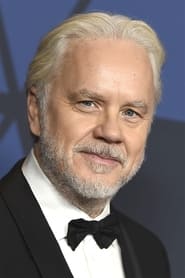
As the film approaches its conclusion, we find Hanna, played by Sarah Polley, still at the oil rig where she has been caring for Josef, portrayed by Tim Robbins. The atmosphere is heavy with unspoken emotions, and the isolation of the rig amplifies the tension between them. Hanna has been a silent observer of Josef's struggles, both physical and emotional, as he recovers from his injuries.
In the final scenes, Hanna is seen tending to Josef, who is slowly regaining his strength. Their conversations have been sparse, but there is a palpable connection that has developed between them. Josef, who has been grappling with his own demons, begins to open up about his life, sharing fragments of his past and his experiences in the war. He expresses vulnerability, revealing his fears and regrets, which allows Hanna to see him not just as a soldier but as a man with a complex history.
Hanna, in turn, is confronted with her own past. The film has hinted at her traumatic experiences, and as she listens to Josef, she is reminded of her own pain. The emotional weight of her memories surfaces, and she struggles with the desire to share her story. However, she remains guarded, reflecting her internal conflict and the difficulty of confronting her trauma.
As Josef continues to heal, he becomes more aware of Hanna's presence and the depth of her silence. He senses that she carries a burden, and in a moment of clarity, he encourages her to speak about her past. This moment is pivotal; it signifies a turning point for both characters. Hanna, who has been defined by her silence, begins to realize that sharing her story could be a step towards healing.
In a poignant scene, Hanna finally opens up to Josef about her traumatic experiences, revealing the pain she has been carrying. The act of sharing her story is cathartic, and it allows her to reclaim a part of herself that had been lost. The emotional release is palpable, and the bond between them deepens as they both confront their vulnerabilities.
As the film nears its end, Hanna makes the decision to leave the oil rig. This choice symbolizes her desire to move forward and not be defined by her past. She packs her belongings, and there is a sense of finality in her actions. Josef, now more aware of his own feelings, watches her prepare to leave. There is a bittersweet quality to their farewell; they have both changed through their interactions, but the reality of their separate lives looms over them.
In the final moments, Hanna drives away from the oil rig, her expression a mix of determination and sorrow. The landscape outside the vehicle window blurs, symbolizing her journey ahead. She is leaving behind the isolation of the rig and the weight of her past, stepping into an uncertain future with a sense of hope.
Josef, left behind, reflects on the impact Hanna has had on him. He is now faced with his own solitude, but he carries the memory of their connection. The film closes on his contemplative expression, suggesting that while he may still feel isolated, he has been irrevocably changed by their time together.
In summary, the ending of "The Secret Life of Words" encapsulates the themes of trauma, connection, and the possibility of healing. Hanna's departure signifies her journey towards reclaiming her life, while Josef is left to navigate his own emotional landscape, forever marked by the bond they shared.
Is there a post-credit scene?
The Secret Life of Words, produced in 2005, does not have a post-credit scene. The film concludes its narrative without any additional scenes after the credits roll. The story focuses on the emotional journey of the main characters, particularly the complex relationship between Hanna, a solitary woman with a traumatic past, and Josef, a man recovering from severe injuries. The film ends on a poignant note, emphasizing themes of healing and connection, leaving the audience to reflect on the characters' experiences rather than providing any further narrative developments in a post-credit sequence.
What role does the setting of the isolated island play in the story?
The isolated island serves as a critical backdrop for the film, symbolizing both physical and emotional seclusion. The stark, desolate landscape mirrors Hanna's internal struggles and her sense of isolation. The confinement of the island allows for an intimate exploration of the characters' emotions, as they are cut off from the outside world. This setting amplifies the tension and intimacy between Hanna and Josef, as they navigate their personal traumas in a space that feels both safe and suffocating.
What is the significance of the character Hanna's backstory in The Secret Life of Words?
Hanna, played by Sarah Polley, has a traumatic past that deeply influences her character throughout the film. She is a solitary woman who works in a factory and has a mysterious aura. As the story unfolds, it is revealed that she is a survivor of a horrific event, which has left her emotionally scarred and reluctant to connect with others. This backstory is crucial as it explains her initial detachment and her struggle to open up to others, particularly to the character of Josef.
How does the relationship between Hanna and Josef develop throughout the film?
Hanna and Josef, portrayed by Tim Robbins, share a complex relationship that evolves from initial wariness to a deeper emotional connection. When Hanna takes care of Josef, a soldier recovering from injuries, she begins to confront her own past. Their interactions are marked by moments of vulnerability, where Hanna gradually reveals her fears and experiences. Josef, in turn, becomes a source of support for her, and their bond highlights themes of healing and understanding.
What is the significance of the title 'The Secret Life of Words' in relation to Hanna's character?
The title 'The Secret Life of Words' reflects Hanna's complex relationship with communication and her past. Words hold a weight for her, as they are tied to her trauma and her struggle to express her emotions. Throughout the film, Hanna grapples with the power of words--how they can heal or hurt. Her journey involves learning to articulate her pain and experiences, ultimately revealing the hidden depths of her character and the importance of sharing one's story.
How does the film portray the theme of trauma and recovery through Hanna's interactions with other characters?
The film intricately portrays trauma and recovery through Hanna's interactions, particularly with Josef and the other characters on the island. Her initial reluctance to engage with others highlights her emotional barriers. As she begins to care for Josef, who is also dealing with his own trauma from war, their shared experiences create a space for healing. The film illustrates how connection and understanding can facilitate recovery, as Hanna slowly learns to confront her past and find solace in her relationships.
Is this family friendly?
"The Secret Life of Words" is a film that delves into heavy themes and emotional struggles, making it less suitable for younger audiences or sensitive viewers. Here are some potentially objectionable or upsetting aspects:
-
Trauma and Pain: The film explores deep emotional trauma, particularly related to war and personal loss, which may be distressing for children or sensitive individuals.
-
Physical Injury: There are scenes depicting the aftermath of war injuries, including a character who is severely burned, which can be graphic and unsettling.
-
Isolation and Loneliness: The protagonist experiences profound feelings of isolation and loneliness, which may resonate negatively with viewers who are sensitive to themes of depression or despair.
-
Sexual Content: There are subtle references to sexual relationships and the complexities of intimacy, which may not be appropriate for younger viewers.
-
Death and Grief: The film addresses themes of death and the grieving process, which can be heavy and potentially upsetting for audiences.
Overall, the film's exploration of complex emotional and psychological issues may not be suitable for children or those who are sensitive to such themes.








