


Popular
What motivates Bulldozer to become a professional wrestler?
How does Bulldozer's relationship with his family evolve throughout the film?
What challenges does Bulldozer face in his wrestling career?
Who are the key supporting characters in Bulldozer's journey, and what roles do they play?
What pivotal moment leads to Bulldozer's ultimate success in the wrestling ring?
Should I watch it?
Ask Your Own Question

What is the plot?
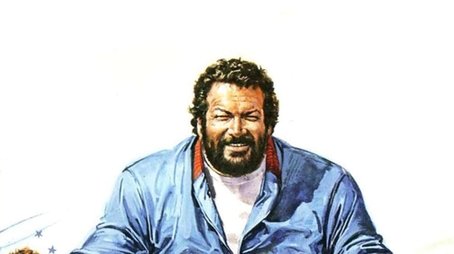
In the late 1970s, the bustling port city of Livorno, Italy, hums with the daily rhythms of fishermen and dockworkers. Among them is Bulldozer, a towering, broad-shouldered man with a rugged charm, once a celebrated American football star now reduced to the humble life of a fisherman. His fishing boat, battered and damaged by the unexpected collision with a submarine, lies moored at the docks, a symbol of his current misfortune and stalled livelihood. The salty sea air mingles with the sounds of seagulls and the clatter of the harbor as Bulldozer, played by Bud Spencer, methodically repairs his vessel, his hands steady but his mind restless.
As Bulldozer works, the camera shifts to a group of local street youths--Gerry, Ghigo, Tojo, Tony, and Spitz--who navigate the narrow streets and lively neighborhoods of Livorno. These boys, full of youthful energy and local pride, are organizing a challenge: a football match against the American soldiers stationed at the nearby US Army base, Camp Durban. Their plan is bold, a clash of cultures and skills, and they need a coach. Hearing of Bulldozer's past as a football legend, they seek him out, hoping to harness his expertise to lead them to victory.
Meanwhile, at the American military base, Sergeant Robert Kempfer, a stern and physically imposing figure, oversees the formation of the soldiers' football team. The commanding officer, Colonel Martin, watches from the sidelines, skeptical but intrigued by the prospect of a match against the locals. Kempfer, proud and competitive, embodies the disciplined military spirit, and he views the upcoming game as more than sport--a matter of honor.
The first meeting between Bulldozer and Sergeant Kempfer crackles with tension and mutual respect. In a lively scene, they engage in an arm-wrestling contest, their bulging muscles straining as they lock hands. "You may have strength, but I have the will," Kempfer grunts, sweat beading on his brow. Bulldozer chuckles, replying with a grin, "We'll see if your will holds on the field." Their rivalry is playful yet charged, setting the tone for the cultural and physical battles to come.
Bulldozer accepts the coaching role, motivated by his damaged boat and lack of work. He begins training the ragtag team of local youths, transforming their raw enthusiasm into disciplined teamwork. The training scenes unfold across the gritty streets and open sports fields of Livorno, the boys learning plays and strategies under Bulldozer's firm but encouraging guidance. The camaraderie grows, and with it, the hope of defeating the well-drilled American soldiers.
Throughout the film, Bulldozer's physical prowess is showcased in a series of comedic and action-packed brawls, including a memorable fight in a bakery where his trademark humor and strength shine. These sequences provide levity and highlight his enduring toughness despite his retirement from professional sports.
As the day of the match approaches, tensions rise. The Americans, dressed in white uniforms emblazoned with "The Rangers," face off against the Italians in blue, known as "The Visitors." The stadium fills with a mix of locals and soldiers, the air thick with anticipation and pride. The game is fierce and fast-paced, a vivid display of skill, strategy, and raw emotion.
Midway through the match, with the score tight and the crowd roaring, Bulldozer steps onto the field himself. His presence electrifies the team and spectators alike. Moving with the power and precision of his former glory, he bulldozes through the opposition, turning the tide decisively in favor of the Italians. His leadership and athleticism culminate in a thrilling victory, earning the respect of the American soldiers and uniting the community in celebration.
The film closes on a high note, with Bulldozer embraced by the locals and sharing a moment of camaraderie with Sergeant Kempfer and Colonel Martin. The rivalry has softened into friendship, symbolizing the bridging of cultural divides through sport and mutual respect. As the sun sets over the port of Livorno, Bulldozer's repaired boat rocks gently in the harbor, a testament to resilience and new beginnings.
Throughout the story, no characters die; the conflicts are resolved through humor, physical contests, and sportsmanship rather than violence. The narrative weaves together themes of redemption, community, and the enduring spirit of competition, all set against the vibrant backdrop of 1970s Italy. The film's blend of action, comedy, and heartfelt moments delivers a satisfying and complete tale of a fallen hero's return to glory.








What is the ending?
In the ending of "They Called Him Bulldozer," the main character, Bulldozer, faces off against his rival in a climactic wrestling match. Despite the odds stacked against him, he fights valiantly, showcasing his strength and determination. Ultimately, he emerges victorious, earning the respect of his peers and solidifying his place in the wrestling world. The film concludes with a sense of camaraderie and triumph among the characters.
As the final act unfolds, the atmosphere is charged with anticipation. The scene opens in a packed wrestling arena, the crowd buzzing with excitement. The lights dim, and the announcer's voice booms through the speakers, introducing the main event: Bulldozer versus his formidable opponent, a well-known wrestler who has a reputation for being ruthless in the ring. The camera pans over the audience, capturing the diverse reactions of fans, some cheering for Bulldozer, while others are skeptical of his chances.
Bulldozer, played by the charismatic actor, stands backstage, his massive frame tense with a mix of anxiety and determination. He reflects on his journey, the struggles he faced, and the friendships he forged along the way. His coach, a grizzled veteran of the sport, offers words of encouragement, reminding him of the importance of this match--not just for his career, but for the respect he seeks from his peers and himself.
As the match begins, the atmosphere shifts dramatically. The crowd erupts as Bulldozer enters the ring, his presence commanding attention. He exchanges a fierce glare with his opponent, who smirks confidently, underestimating Bulldozer's resolve. The bell rings, and the two wrestlers engage in a fierce struggle, grappling and trading blows. The choreography of the fight is intense, showcasing Bulldozer's raw power and agility, as well as his opponent's cunning tactics.
Midway through the match, it becomes clear that Bulldozer is at a disadvantage. His opponent employs dirty tricks, using the ropes to gain leverage and attempting to wear Bulldozer down. The crowd's energy fluctuates, with some fans rallying behind Bulldozer, chanting his name, while others jeer at his struggles. The emotional stakes are high, and the tension palpable as Bulldozer fights against the odds.
In a pivotal moment, Bulldozer recalls the support of his friends and the lessons he learned throughout his journey. This memory fuels his determination, and he finds a second wind. With a surge of strength, he counters his opponent's moves, turning the tide of the match. The crowd erupts in cheers as he gains the upper hand, showcasing his resilience and fighting spirit.
As the match reaches its climax, Bulldozer executes a powerful finishing move, pinning his opponent to the mat. The referee counts to three, and the arena explodes with applause and cheers. Bulldozer stands victorious, breathing heavily, a mix of exhaustion and exhilaration washing over him. He raises his arms in triumph, a symbol of his hard-fought battle and the respect he has earned.
In the aftermath of the match, Bulldozer is surrounded by his friends and supporters, who celebrate his victory. The coach beams with pride, acknowledging the growth and strength Bulldozer has shown. The rival wrestler, though defeated, grudgingly respects Bulldozer's tenacity, hinting at a newfound understanding between them.
The film concludes with a sense of unity and camaraderie among the characters. Bulldozer, once an outsider, has found his place in the wrestling community, not just as a competitor but as a respected figure. The final scene captures the joy and relief on his face, a testament to his journey and the bonds he has formed along the way. The screen fades to black, leaving the audience with a sense of hope and the message that perseverance and friendship can lead to triumph against all odds.
Is there a post-credit scene?
The movie "They Called Him Bulldozer," produced in 1978, does not have a post-credit scene. The film concludes without any additional scenes or content after the credits roll. The story wraps up with the resolution of the main plot, focusing on the character of Bulldozer, played by the Italian actor, and his journey through the world of sports and personal challenges. The ending emphasizes the themes of friendship, perseverance, and the impact of teamwork, leaving the audience with a sense of closure.
What motivates Bulldozer to become a professional wrestler?
Bulldozer, played by the charismatic actor, is initially driven by a desire to prove himself and escape his mundane life. He seeks validation and respect, which he feels he can achieve through the physicality and spectacle of professional wrestling.
How does Bulldozer's relationship with his family evolve throughout the film?
Throughout the film, Bulldozer's relationship with his family is strained due to his obsession with wrestling. Initially, his family is skeptical of his choices, but as he gains success and confidence, they begin to support him, leading to a heartfelt reconciliation.
What challenges does Bulldozer face in his wrestling career?
Bulldozer faces numerous challenges, including fierce competition from other wrestlers, the physical toll of the sport, and the pressure to maintain his tough persona. These challenges test his resolve and force him to confront his own limitations.
Who are the key supporting characters in Bulldozer's journey, and what roles do they play?
Key supporting characters include his trainer, who serves as a mentor and father figure, and his rival, who embodies the obstacles Bulldozer must overcome. Each character influences his growth, providing both conflict and camaraderie.
What pivotal moment leads to Bulldozer's ultimate success in the wrestling ring?
A pivotal moment occurs when Bulldozer faces a significant defeat that forces him to reevaluate his approach to wrestling. This moment of vulnerability leads to a transformation, allowing him to harness his inner strength and ultimately achieve success in the ring.
Is this family friendly?
"They Called Him Bulldozer" is a comedy film that features a mix of humor and sports, but it does contain some elements that may not be suitable for all children or sensitive viewers. Here are some potentially objectionable or upsetting aspects:
-
Violence and Aggression: The film includes scenes of physical confrontations and roughhousing, typical of sports comedies, which may be intense for younger viewers.
-
Mature Themes: There are references to adult situations and relationships that may not be appropriate for children.
-
Language: The dialogue includes some mild profanity and crude humor that could be considered unsuitable for a younger audience.
-
Emotional Struggles: Characters experience personal conflicts and emotional turmoil, which may be heavy for sensitive viewers.
-
Physical Comedy: Some slapstick humor involves characters getting hurt or in embarrassing situations, which might be distressing for some children.
Overall, while the film is intended as a light-hearted comedy, these elements may warrant parental discretion.