






















Popular
What motivates Laust to join the army despite the dangers of war?
How does Inge cope with Laust's departure to war?
What role does the character of Peter play in Laust's journey?
How does the war impact the relationships between the characters?
What are the consequences of the Battle of Dybbøl for the main characters?
Should I watch it?
Ask Your Own Question

What is the plot?
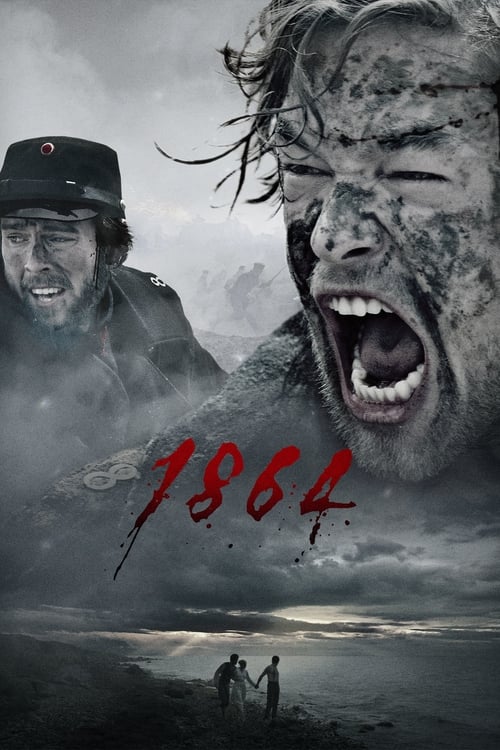
In the year 1864, the story begins in Denmark, where tensions are rising due to the impending war with Prussia and Austria. The narrative introduces the central characters, including the young soldier Laust, who is deeply in love with his childhood friend, the spirited and strong-willed Inge. Their relationship is complicated by societal expectations and the looming threat of war. Laust's father, a stern and traditional man, disapproves of Laust's romantic pursuits, believing that duty to the country should come first.
As the war begins, Laust enlists in the army, driven by a sense of duty and the hope that he can protect his homeland. Inge, heartbroken but proud, supports his decision, promising to wait for him. The emotional weight of their separation is palpable, as Laust grapples with his feelings of love and loyalty to his country. The scenes depict their farewell with intense emotional exchanges, highlighting their deep bond and the uncertainty of their future.
The narrative shifts to the battlefield, where Laust and his fellow soldiers face the brutal realities of war. The cinematography captures the chaos of battle, with gunfire, explosions, and the cries of wounded men. Laust's internal struggle intensifies as he witnesses the horrors of combat, questioning the nobility of war and the sacrifices it demands. His character evolves from an idealistic young man to one who is deeply affected by the violence around him.
Amidst the chaos, Laust's unit suffers heavy losses, and he finds himself grappling with survivor's guilt. He forms a close bond with a fellow soldier, Peter, who becomes a source of support and camaraderie. Their friendship is tested as they face increasingly dire situations, including a harrowing encounter with the enemy that leaves them both shaken. The emotional toll of war weighs heavily on Laust, who begins to doubt his choices and the purpose of their fight.
Back home, Inge is left to navigate the challenges of life without Laust. She becomes involved in the local community, helping families affected by the war. Her character is portrayed as resilient and determined, yet she struggles with the loneliness and uncertainty of waiting for Laust's return. The narrative intercuts between her life and Laust's experiences on the front lines, emphasizing the impact of war on both the soldiers and their loved ones.
As the war progresses, Laust is injured in battle, leading to a pivotal moment in the story. He is sent to a field hospital, where he confronts the fragility of life and the reality of his situation. The hospital scenes are graphic and emotional, showcasing the suffering of the wounded and the efforts of the medical staff. Laust's injury forces him to reevaluate his priorities and the future he envisions with Inge.
Inge receives news of Laust's injury, and her determination to see him again grows stronger. She embarks on a journey to the front lines, driven by love and a desire to support him. The scenes depict her bravery and the challenges she faces as a woman traveling in a war-torn country. Her arrival at the hospital is a poignant moment, filled with hope and fear as she searches for Laust among the wounded.
When Inge finally finds Laust, their reunion is charged with emotion. They share a heartfelt conversation, expressing their love and the pain of separation. Laust, now more introspective, reveals his doubts about the war and his future. Inge encourages him to focus on healing and the possibility of a life together after the war. Their connection is rekindled, but the shadow of war looms over them, complicating their dreams.
As the war reaches its climax, Laust is faced with a critical decision. He must choose between returning to the battlefield or staying with Inge to build a life together. The internal conflict is palpable as he weighs his sense of duty against his love for Inge. Ultimately, Laust decides to return to the front, believing that he must fulfill his obligations as a soldier.
The final battles are intense and chaotic, with Laust and his comrades fighting valiantly. The cinematography captures the desperation and bravery of the soldiers as they face overwhelming odds. In a climactic moment, Laust is confronted by the enemy, and the battle escalates into a fierce confrontation. The sequence is filled with tension as Laust fights for survival, driven by thoughts of Inge and the life they could have together.
In the aftermath of the battle, the consequences of war become starkly clear. Laust is gravely injured once again, and the emotional weight of his experiences culminates in a moment of reflection. He realizes the cost of war not only on himself but on those he loves. The narrative shifts back to Inge, who is anxiously awaiting news of Laust, her hope mingled with fear.
The story concludes with Laust's return home, but he is forever changed by his experiences. The reunion with Inge is bittersweet, filled with love but also the scars of war. They embrace, but the weight of their shared trauma hangs in the air. The final scenes depict their struggle to rebuild their lives amidst the lingering effects of the conflict, leaving the audience with a poignant sense of the enduring impact of war on love and relationships.









What is the ending?
In the ending of the TV show "1864," the war reaches a devastating climax, leading to significant losses for the main characters. The story concludes with the tragic fates of the brothers, the impact of war on their family, and the lingering scars left on the survivors.
As the final episodes unfold, the tension escalates. The Danish army faces the Prussian and Austrian forces in a brutal confrontation. The brothers, Laust and Peter, find themselves on opposite sides of the conflict, which has torn their family apart. Laust, driven by a sense of duty and loyalty to his country, fights valiantly, while Peter, who has been more skeptical of the war, grapples with his own beliefs and the consequences of their choices.
In a heart-wrenching scene, Laust is gravely injured during a fierce battle. The chaos of war surrounds him, with the sounds of gunfire and cries of the wounded echoing in the background. As he lies on the battlefield, he reflects on his life, his love for his fiancée, and the bond he shares with Peter. The emotional weight of his impending fate is palpable, as he realizes the futility of the conflict that has consumed their lives.
Meanwhile, Peter, who has been struggling with his own internal conflict, rushes to find Laust. The brothers' reunion is fraught with tension, as they confront the reality of their choices and the war that has driven them apart. In a moment of desperation, Peter tries to save Laust, but the injuries are too severe. Laust's death marks a tragic turning point, leaving Peter devastated and filled with guilt.
The series concludes with the aftermath of the war. The surviving characters are left to grapple with their losses and the impact of the conflict on their lives. The family is shattered, and the emotional scars run deep. The final scenes depict the somber reality of a nation in mourning, highlighting the personal toll of war and the enduring pain of loss.
In summary, the ending of "1864" encapsulates the tragic consequences of war, the deep bonds of family, and the emotional turmoil faced by those who survive. Each character's fate is intertwined with the larger narrative of conflict, leaving a lasting impression of sorrow and reflection on the cost of war.
Is there a post-credit scene?
The TV show "1864," produced in 2014, does not feature a post-credit scene. The series concludes its narrative without any additional scenes after the credits roll. The final episodes focus on the emotional and physical toll of the Second Schleswig War, highlighting the personal struggles and sacrifices of the characters, particularly the bond between the two brothers, Laust and Peter, and their families. The ending leaves viewers with a poignant sense of loss and reflection on the impact of war, encapsulating the series' themes of love, loyalty, and the harsh realities of conflict.
What motivates Laust to join the army despite the dangers of war?
Laust, a passionate and idealistic young man, is driven by a deep sense of duty and a desire to protect his homeland. His love for his fiancée, Inge, also fuels his determination, as he believes that fighting for Denmark is a way to secure a future for them both. The emotional turmoil of leaving Inge behind weighs heavily on him, creating a conflict between his personal desires and his sense of honor.
How does Inge cope with Laust's departure to war?
Inge experiences a profound sense of loss and anxiety as Laust leaves for the front lines. She struggles with feelings of helplessness and fear for his safety, which is compounded by the societal expectations of women during this time. Inge's emotional state fluctuates between hope and despair, and she finds herself torn between supporting Laust's decision and longing for his return.
What role does the character of Peter play in Laust's journey?
Peter serves as both a friend and a foil to Laust. He embodies a more pragmatic approach to the war, often questioning the romantic notions of heroism that Laust holds. As they face the brutal realities of battle together, Peter's cynicism and survival instincts challenge Laust's ideals, leading to moments of tension and growth in their friendship.
How does the war impact the relationships between the characters?
The war creates a rift between characters, testing their loyalties and emotional bonds. Laust's relationship with Inge becomes strained as the uncertainty of war looms over them, leading to moments of doubt and jealousy. Meanwhile, the camaraderie among soldiers is both strengthened and fractured by the shared trauma of battle, revealing the complexities of human connection in times of crisis.
What are the consequences of the Battle of Dybbøl for the main characters?
The Battle of Dybbøl serves as a pivotal moment in the series, resulting in devastating losses for the Danish forces. For Laust, the battle marks a turning point where his idealism is shattered by the harsh realities of war. The emotional scars from the battle affect not only Laust but also his relationships with Inge and Peter, as they each grapple with grief, guilt, and the harsh consequences of their choices.
Is this family friendly?
"1864" is a historical drama that delves into the emotional and physical toll of the Second Schleswig War, focusing on the lives of two families caught in the conflict. While the show is rich in storytelling and character development, it does contain several elements that may not be suitable for children or sensitive viewers.
-
Violence and War Scenes: The series depicts battles and the harsh realities of war, including graphic portrayals of injuries and death. These scenes can be intense and may be distressing for younger audiences.
-
Death and Grief: Characters experience significant loss, leading to emotional scenes of mourning and despair. The portrayal of grief can be heavy and may resonate deeply with sensitive viewers.
-
Family Struggles: The show explores complex family dynamics, including conflict, betrayal, and the strain of war on relationships. These themes can be emotionally charged and may be difficult for younger viewers to process.
-
Social Injustice: The series touches on themes of class struggle and the impact of war on different social strata, which may introduce concepts that require mature understanding.
-
Romantic Tensions: There are romantic subplots that involve heartbreak and unrequited love, which may be more suitable for older teens and adults.
Overall, while "1864" offers a rich narrative and historical context, its mature themes and emotional depth may not be appropriate for all audiences, particularly children.