
























































Popular
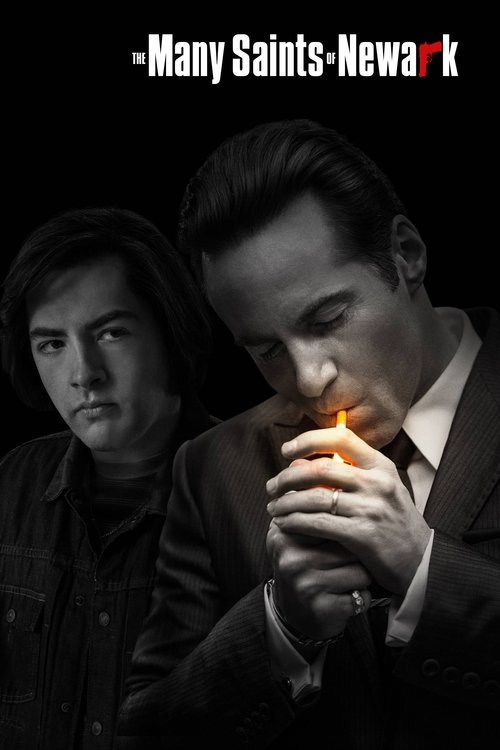
What is the significance of Dickie Moltisanti's character in the story?
How does the relationship between Tony Soprano and his mother, Livia, affect his character?
What role does the racial tension in Newark play in the story?
What is the significance of the relationship between Dickie Moltisanti and his father, 'Hollywood' Dick?
How does the film depict the evolution of Tony Soprano's character from childhood to adolescence?
Should I watch it?
Ask Your Own Question

What is the plot?
Sorry, we aren't able to watch and write up a full detailed plot yet. Check back in a few days.


What is the ending?
In the ending of "The Many Saints of Newark," tensions culminate in a violent confrontation. Dickie Moltisanti is killed by his own cousin, and the film closes with a sense of unresolved conflict and the emergence of a new generation of mobsters, particularly focusing on Tony Soprano's transformation.
As the film approaches its conclusion, we find ourselves in the early 1970s, where the power dynamics within the DiMeo crime family are shifting. Dickie Moltisanti, who has been a father figure to young Tony Soprano, is grappling with his own moral dilemmas and the consequences of his actions. He is haunted by the ghost of his father, who represents the weight of family legacy and the expectations placed upon him.
In a pivotal scene, Dickie visits his father's grave, reflecting on his life choices and the violence that surrounds him. He is conflicted, torn between his loyalty to the family and his desire for a different life. This moment of introspection is interrupted when he receives a call from his cousin, who is increasingly unstable and resentful. The tension between them escalates, leading to a confrontation that reveals the fragility of their relationship.
In a shocking turn of events, Dickie is ambushed by his cousin in a moment of betrayal. The scene is tense, filled with a sense of inevitability as Dickie realizes the danger he is in. The emotional weight of the moment is palpable as he faces the consequences of his life choices. The violence is swift and brutal, marking the end of Dickie's journey and leaving a void in Tony's life.
Following Dickie's death, the narrative shifts to Tony, who is now a young man navigating the complexities of his own identity and the legacy of his family. The film closes with a poignant scene that captures Tony's transformation. He is seen grappling with the loss of Dickie, who had been a guiding force in his life. The emotional impact of this loss is evident as Tony begins to step into the world of organized crime, foreshadowing the man he will become.
The final moments of the film leave the audience with a sense of unresolved tension. Tony's future is uncertain, and the cycle of violence and betrayal within the mob continues. The film ends on a note that emphasizes the generational conflict and the inescapable nature of family legacy, setting the stage for the events that will unfold in the original "The Sopranos" series.
In summary, the fates of the main characters are sealed in this climactic ending: Dickie Moltisanti is killed, leaving a profound impact on Tony Soprano, who is poised to inherit the complexities of mob life, while the cycle of violence and betrayal continues to loom over the characters' lives.
Is there a post-credit scene?
The Many Saints of Newark does not have a post-credit scene. The film concludes without any additional scenes or content after the credits roll. The story wraps up with a focus on the complex relationships and events that shape the characters, particularly the young Tony Soprano and his interactions with his family and the mob world. The absence of a post-credit scene allows the audience to reflect on the film's themes and character arcs without any further narrative distractions.
What is the significance of Dickie Moltisanti's character in the story?
Dickie Moltisanti serves as a pivotal character in 'The Many Saints of Newark,' representing the complex dynamics of mentorship and legacy within the mob world. His relationship with young Tony Soprano is central to the narrative, as Dickie becomes a father figure to Tony, shaping his understanding of power, loyalty, and the consequences of a life in organized crime. Dickie's struggles with his own identity and the expectations placed upon him by his father, as well as his tumultuous relationship with his wife, create a rich emotional backdrop that influences Tony's development.
How does the relationship between Tony Soprano and his mother, Livia, affect his character?
Tony's relationship with his mother, Livia, is fraught with tension and emotional turmoil. Livia's manipulative and cold demeanor deeply impacts Tony's psyche, instilling in him feelings of inadequacy and abandonment. Her constant criticism and emotional unavailability contribute to Tony's struggles with self-worth and his later relationships. This dynamic is illustrated through various scenes where Livia's dismissive attitude towards Tony's aspirations and her preference for Dickie create a rift that shapes Tony's motivations and insecurities.
What role does the racial tension in Newark play in the story?
The racial tension in Newark during the 1960s serves as a critical backdrop for 'The Many Saints of Newark,' influencing character interactions and plot developments. The film portrays the impact of the riots and the changing social landscape on the Italian-American community and their criminal enterprises. Characters like Harold McBrayer, an African American associate, navigate the complexities of race and power, highlighting the shifting dynamics within the mob and the broader societal context. This tension culminates in confrontations that reveal the characters' prejudices and the consequences of their actions.
What is the significance of the relationship between Dickie Moltisanti and his father, 'Hollywood' Dick?
The relationship between Dickie Moltisanti and his father, 'Hollywood' Dick, is marked by a mix of admiration and resentment. Dickie seeks his father's approval while grappling with the weight of his father's legacy and expectations. This dynamic is illustrated through flashbacks and interactions that reveal Dickie's desire to break free from his father's shadow, yet he often finds himself repeating the same patterns of violence and ambition. The strained relationship ultimately shapes Dickie's choices and his approach to fatherhood with Tony, reflecting the cyclical nature of familial influence in the mob world.
How does the film depict the evolution of Tony Soprano's character from childhood to adolescence?
The film intricately depicts Tony Soprano's evolution from a curious and impressionable child to a conflicted adolescent grappling with his identity. Early scenes show young Tony observing the world of organized crime with wide-eyed fascination, particularly through his interactions with Dickie Moltisanti. As he grows, the pressures of his family dynamics, particularly with Livia and the expectations of the mob, begin to weigh heavily on him. The film captures his internal struggles, showcasing moments of vulnerability and confusion as he navigates loyalty to his family and the allure of power, ultimately laying the groundwork for the man he will become.
Is this family friendly?
The Many Saints of Newark is not considered family-friendly due to its mature themes and content. Here are some potentially objectionable or upsetting aspects that may occur:
-
Violence: The film contains several scenes of brutal violence, including physical altercations and shootings, which may be distressing for younger viewers.
-
Strong Language: There is frequent use of profanity throughout the film, which may not be suitable for children.
-
Drug Use: The depiction of drug dealing and substance abuse is present, showcasing the impact of these activities on individuals and families.
-
Mature Themes: The film explores complex themes such as crime, betrayal, and the moral ambiguities of mob life, which may be difficult for younger audiences to understand.
-
Death: There are scenes that involve the death of characters, which can be emotionally heavy and upsetting.
-
Sexual Content: The film includes references to sexual situations and relationships that may not be appropriate for children.
These elements contribute to the film's rating and indicate that it is intended for a mature audience.








