









































Popular
What motivates Philippe Petit to perform his high-wire walk between the Twin Towers?
How does Philippe Petit recruit his team to help him with the walk?
What challenges does Philippe face while planning the walk?
What role does Annie play in Philippe's journey?
How does Philippe's relationship with his mentor, Papa Rudy, influence his performance?
Should I watch it?
Ask Your Own Question

What is the plot?
Sorry, we aren't able to watch and write up a full detailed plot yet. Check back in a few days.






What is the ending?
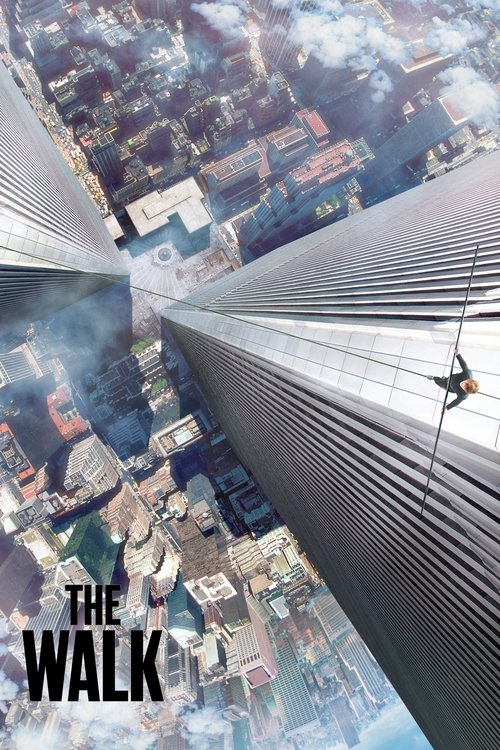
In the ending of "The Walk," Philippe Petit successfully completes his high-wire walk between the Twin Towers of the World Trade Center. After a tense and emotional performance, he is arrested but feels a profound sense of accomplishment and joy. The film concludes with a montage of the towers and Petit reflecting on his dream, emphasizing the beauty of his achievement.
As the film approaches its climax, we find Philippe Petit, portrayed by Joseph Gordon-Levitt, standing on the roof of the World Trade Center, the sun rising behind him. The atmosphere is electric with anticipation. He takes a moment to absorb the breathtaking view of New York City, the wind tousling his hair, and the enormity of his dream weighing heavily on his heart. He is filled with a mix of excitement and fear, knowing that he is about to undertake a feat that few would dare to imagine.
With his team--Jean-Louis (played by Clément Sibony), Annie (played by Charlotte Le Bon), and others--supporting him from the ground and the rooftops, Philippe prepares for the walk. He dons his harness and secures the wire, his hands trembling slightly as he checks the equipment. The tension is palpable; the stakes are high. Philippe's internal monologue reveals his determination and the deep-seated desire to prove that he can achieve the impossible.
As he steps onto the wire, the world below seems to fade away. The camera captures his first tentative steps, the wire swaying beneath him. He pauses, taking a deep breath, and then begins to walk with increasing confidence. The music swells, and the visuals shift between Philippe's focused expression and the awe-struck faces of the onlookers below. Each step is a testament to his years of preparation, his passion, and his unwavering belief in his dream.
Philippe performs a series of breathtaking maneuvers--he kneels, lies down, and even dances on the wire, all while maintaining his balance. The scene is a blend of beauty and danger, showcasing the sheer audacity of his act. The wind picks up, and for a moment, it feels as if the wire might snap, but Philippe remains resolute, embodying the spirit of a tightrope walker who dances with danger.
As he reaches the midpoint, he looks down at the city, a mix of exhilaration and fear coursing through him. The camera captures the vastness of the skyline, the bustling streets below, and the people who have gathered to witness this extraordinary event. Philippe's heart swells with joy; he is not just walking between two buildings but bridging the gap between dreams and reality.
After several minutes of walking, Philippe finally reaches the opposite tower. He stands triumphantly, arms raised in victory, a smile spreading across his face. However, the moment is short-lived as the police arrive, and he is soon confronted by law enforcement. They demand he come down, and the reality of his situation begins to sink in. Despite the impending arrest, Philippe feels a profound sense of accomplishment. He has achieved what he set out to do, and the thrill of the walk overshadows the consequences.
As he is escorted off the roof, Philippe reflects on his journey, the sacrifices made, and the friendships forged. His team, who had risked everything to help him, stands by, proud of what they accomplished together. The film closes with a montage of the Twin Towers, a poignant reminder of their beauty and the dreams they inspired. Philippe's voiceover echoes the sentiment that while he may face legal repercussions, the experience of walking between the towers will forever remain a part of him.
In the end, Philippe Petit is arrested but feels fulfilled, having realized his dream. His team members, though worried about the legal fallout, share in the joy of his achievement. The film leaves viewers with a sense of wonder about the limits of human ambition and the beauty of pursuing one's dreams, even in the face of adversity.
Is there a post-credit scene?
In the movie "The Walk," there is no post-credit scene. The film concludes after the main narrative, which follows Philippe Petit's daring tightrope walk between the Twin Towers of the World Trade Center in 1974. The story wraps up with Philippe reflecting on his achievement and the impact of his performance, but there are no additional scenes or content after the credits roll. The focus remains on the emotional and physical journey leading up to the iconic walk, leaving the audience with a sense of awe and inspiration without any further narrative developments.
What motivates Philippe Petit to perform his high-wire walk between the Twin Towers?
Philippe Petit is driven by a deep passion for tightrope walking and a desire to achieve something extraordinary. His fascination with the idea of walking between the Twin Towers is sparked by a photograph he sees of the buildings, igniting a dream that combines his love for performance art with a quest for personal glory and artistic expression.
How does Philippe Petit recruit his team to help him with the walk?
Philippe Petit recruits his team through a combination of charisma and shared enthusiasm for his ambitious plan. He enlists the help of his girlfriend Annie, who supports his dream, and later brings in friends like Jean-Louis and Papa Rudy, who are both skilled and willing to take risks. Their camaraderie and belief in Philippe's vision create a bond that fuels their determination to execute the daring feat.
What challenges does Philippe face while planning the walk?
Philippe faces numerous challenges while planning the walk, including the logistical difficulties of gaining access to the rooftops of the Twin Towers, evading security, and ensuring the safety of his team. He also grapples with self-doubt and the fear of failure, as the enormity of the task weighs heavily on him. The tension escalates as they navigate the complexities of their plan, leading to moments of conflict and uncertainty.
What role does Annie play in Philippe's journey?
Annie serves as both Philippe's love interest and a crucial supporter of his dream. She provides emotional support and encouragement, helping him to stay focused on his goal. However, she also expresses concern for his safety, highlighting the emotional stakes of his dangerous ambition. Her presence adds depth to Philippe's character, showcasing the personal sacrifices and risks involved in pursuing his passion.
How does Philippe's relationship with his mentor, Papa Rudy, influence his performance?
Papa Rudy acts as a mentor to Philippe, providing guidance, wisdom, and practical skills necessary for the high-wire act. Their relationship is built on mutual respect and admiration, with Papa Rudy instilling in Philippe the importance of preparation and discipline. This mentorship influences Philippe's performance by reinforcing his confidence and helping him refine his technique, ultimately contributing to the success of the walk.
Is this family friendly?
The Walk, produced in 2015, is generally considered suitable for older children and families, but it does contain some elements that may be objectionable or upsetting for younger viewers or sensitive individuals. Here are some aspects to consider:
-
Height and Fear of Falling: The film revolves around Philippe Petit's high-wire walk between the Twin Towers, which includes intense scenes of him preparing for and executing the walk. The portrayal of heights and the potential for falling may induce anxiety or fear in some viewers.
-
Tension and Suspense: There are moments of high tension, particularly during the planning and execution of the wire walk, which may be stressful for younger audiences.
-
Mature Themes: The film touches on themes of ambition, obsession, and the risks associated with pursuing one's dreams, which may be complex for younger viewers to fully grasp.
-
Minor Language: There are instances of mild profanity throughout the film, which may not be suitable for all children.
-
Emotional Struggles: Philippe's journey includes moments of doubt, conflict, and emotional turmoil, which may be intense for sensitive viewers.
Overall, while The Walk is visually stunning and inspiring, parents may want to consider these elements when deciding if it is appropriate for their children.








