















































Popular
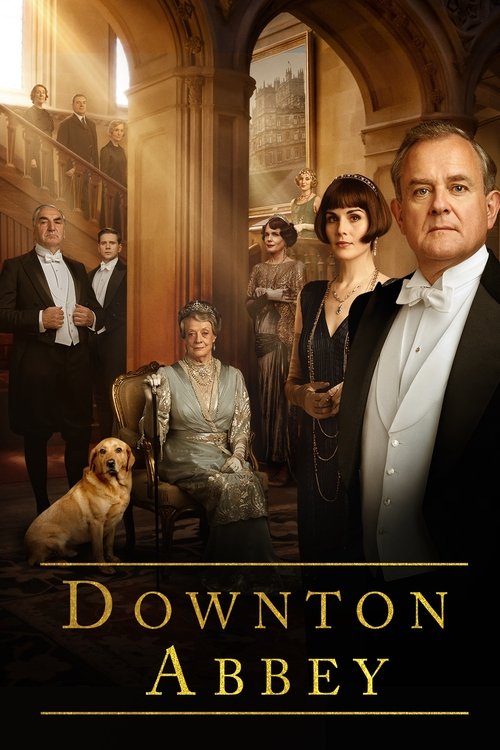
What is the significance of the royal visit to Downton Abbey?
How does Lady Mary navigate her responsibilities as the new estate manager?
What conflict arises between the staff regarding the royal visit?
What role does the character of Tom Branson play in the story?
How does the character of Edith evolve throughout the film?
Should I watch it?
Ask Your Own Question

What is the plot?
Sorry, we aren't able to watch and write up a full detailed plot yet. Check back in a few days.







What is the ending?
At the end of the movie "Downton Abbey," the Crawley family and their staff come together to celebrate the visit of King George V and Queen Mary. The visit brings a sense of unity and purpose, culminating in a grand dinner at Downton. The family reflects on their past and future, with significant developments for several characters, including Mary taking on a more prominent role in managing the estate, and Tom Branson finding a new sense of belonging. The film concludes with a sense of hope and continuity for both the family and their loyal staff.
As the film approaches its conclusion, the atmosphere at Downton Abbey is charged with excitement and anticipation. The Crawley family prepares for the royal visit, and the staff is abuzz with activity, ensuring that everything is perfect for the King and Queen. Lady Mary Crawley, now more confident in her role, takes charge of the preparations, showcasing her growth and determination to uphold the family legacy.
In the kitchen, Mrs. Patmore and Daisy work tirelessly alongside the other kitchen staff, their camaraderie evident as they navigate the challenges of preparing a royal meal. Daisy, who has been contemplating her future, finds encouragement from Mrs. Patmore, who reminds her of her potential and the importance of their work.
As the royal entourage arrives, the grandeur of the occasion is palpable. The Crawley family, dressed in their finest attire, stands poised to greet the King and Queen. Lady Violet Crawley, the Dowager Countess, offers her trademark wit and wisdom, providing a moment of levity amidst the formality. The royal visit serves as a reminder of the changing times, as the aristocracy faces the realities of a modern world.
During the grand dinner, the tension of the day gives way to a sense of unity. Each character reflects on their place within the family and the estate. Mary, in particular, embraces her role as the new matriarch, demonstrating her commitment to both the family and the staff. Tom Branson, who has struggled with his identity since marrying into the Crawley family, finds a renewed sense of purpose as he connects with the younger generation and contemplates his future at Downton.
As the evening unfolds, the characters share heartfelt moments, revealing their hopes and dreams. The bond between the family and their staff is highlighted, showcasing the loyalty and dedication that has defined their relationships over the years. The film emphasizes the importance of tradition while acknowledging the inevitability of change.
In the final scenes, the Crawley family gathers in the drawing room, reflecting on the day's events. There is a sense of closure as they acknowledge the challenges they have faced and the strength they have found in one another. Lady Mary expresses her determination to lead Downton into the future, while Tom Branson contemplates his role as a bridge between the past and the present.
The film concludes with a poignant moment as the family and staff come together, united in their shared history and the promise of what lies ahead. The final shot captures the essence of Downton Abbey--a place where tradition meets progress, and where the bonds of family and loyalty endure through the trials of time. Each character, from the Crawley family to the devoted staff, leaves the audience with a sense of hope and continuity, embodying the spirit of resilience that defines their lives at Downton Abbey.
Is there a post-credit scene?
In the movie "Downton Abbey" (2019), there is no post-credit scene. The film concludes with a sense of resolution and closure for the characters and their storylines, leaving the audience with a warm feeling as they reflect on the events that have transpired. The final moments focus on the Crawley family and their staff coming together, celebrating the legacy of Downton Abbey, and looking forward to the future. The absence of a post-credit scene emphasizes the film's themes of family, tradition, and the enduring bonds that have been forged over the years.
What is the significance of the royal visit to Downton Abbey?
The royal visit to Downton Abbey serves as a pivotal plot point that brings excitement and tension to the estate. The Crawley family prepares meticulously for the arrival of King George V and Queen Mary, showcasing their status and the importance of the visit. The visit also highlights the class distinctions and the changing social dynamics of the time, as the staff must navigate their roles in serving the royal family while dealing with their own personal issues.
How does Lady Mary navigate her responsibilities as the new estate manager?
Lady Mary takes on the role of estate manager with a mix of determination and anxiety. She feels the weight of her family's legacy on her shoulders and is motivated to prove herself capable in a male-dominated world. Throughout the film, she grapples with the challenges of modernizing Downton while respecting its traditions, showcasing her growth as a character who is both strong-willed and compassionate.
What conflict arises between the staff regarding the royal visit?
The staff at Downton Abbey experience a range of emotions and conflicts regarding the royal visit. Some, like Thomas Barrow, feel the pressure of performing perfectly, while others, like Daisy, are excited but anxious about their roles. The arrival of the royal entourage creates tension, as the staff must work together under the scrutiny of the royals, leading to moments of camaraderie and conflict, particularly as they deal with personal ambitions and insecurities.
What role does the character of Tom Branson play in the story?
Tom Branson, the former chauffeur turned member of the Crawley family, plays a crucial role in bridging the gap between the aristocracy and the working class. He is deeply invested in the future of Downton and supports Lady Mary in her efforts to modernize the estate. His character embodies the changing social landscape of post-World War I England, and he often serves as a voice of reason and progressive thought, particularly in discussions about the estate's future.
How does the character of Edith evolve throughout the film?
Edith Crawley experiences significant personal growth in the film. Initially feeling overshadowed by her sister Mary, she finds her own voice and confidence, particularly in her role as a mother and a businesswoman. Her journey includes reconciling her past with her present, as she navigates her relationship with Bertie Pelham and her responsibilities as the editor of a magazine. Edith's evolution is marked by her determination to assert her independence and her desire to be recognized for her contributions.
Is this family friendly?
"Downton Abbey" (2019) is generally considered family-friendly, but there are a few elements that might be objectionable or upsetting for children or sensitive viewers.
-
Death and Mourning: The film touches on themes of loss and mourning, which may be emotional for some viewers. Characters reflect on past losses, and there are moments of sadness related to the passage of time.
-
Class Conflict: The film explores class differences and tensions, which may be complex for younger viewers to fully understand. Some scenes depict the struggles of the working class versus the aristocracy.
-
Romantic Tensions: There are romantic subplots that include moments of tension and misunderstandings, which might be confusing for younger audiences.
-
Mild Language: There are instances of mild language that may not be suitable for very young children.
-
Historical Context: The film is set in a historical context that includes references to societal norms and issues that may be challenging for younger viewers to grasp, such as gender roles and class distinctions.
Overall, while the film is suitable for a wide audience, parents may want to consider these aspects when deciding if it is appropriate for their children.






