
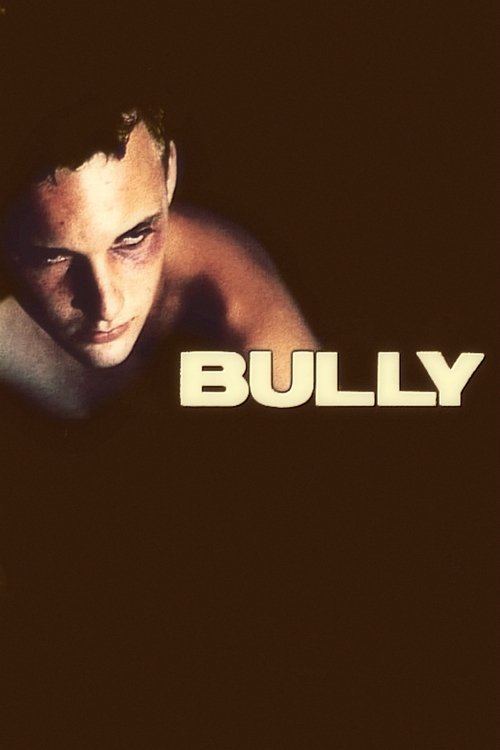


















Popular
What motivates the character of Marty to become involved in the plan to kill Bobby?
How does the relationship between Lisa and Marty evolve throughout the film?
What role does the character of Ali play in the events leading up to the murder?
How does Bobby's character influence the actions of his friends?
What are the consequences faced by the characters after the murder is committed?
Should I watch it?
Ask Your Own Question

What is the plot?
Sorry, we aren't able to watch and write up a full detailed plot yet. Check back in a few days.







What is the ending?
In the ending of the movie "Bully," the group of friends who conspired to kill their abusive friend, Bobby Kent, face the consequences of their actions. After the murder, they struggle with guilt and paranoia. Eventually, the police investigate, leading to arrests and trials. The film concludes with the characters dealing with the fallout of their choices, highlighting the tragic consequences of their violent act.
As the film approaches its climax, the tension among the group of friends escalates. After the brutal murder of Bobby Kent, the group--comprised of friends Marty, Lisa, and others--finds themselves grappling with the immediate aftermath of their actions. The scene is heavy with a sense of dread; they are haunted by what they have done, and the weight of their guilt begins to manifest in their interactions.
In the days following the murder, the group attempts to maintain a facade of normalcy. They gather in various locations, including a local diner and their homes, but the atmosphere is thick with anxiety. Marty, who had been the most vocal about wanting to kill Bobby, is particularly affected. He oscillates between moments of bravado and deep-seated fear, revealing his internal conflict. Lisa, who had also participated in the murder, shows signs of emotional distress, often staring blankly into space, lost in her thoughts.
As the police investigation unfolds, the group becomes increasingly paranoid. They discuss the possibility of being caught, and their conversations are laced with tension. The camera captures their furtive glances and hushed tones, emphasizing their growing unease. The once tight-knit group begins to fracture under the pressure, with accusations and blame surfacing among them.
The police eventually make arrests, and the narrative shifts to the courtroom. The trial scenes are stark and sobering, showcasing the legal repercussions of their actions. Each character faces their own reckoning. Marty, who had orchestrated the murder, is portrayed as a deeply troubled individual, struggling to justify his actions. Lisa, who had been complicit, is shown grappling with her conscience, her emotional turmoil evident as she testifies.
As the verdicts are delivered, the fates of the main characters are revealed. Marty is sentenced to a lengthy prison term, a stark reminder of the consequences of his violent choices. Lisa, while also facing legal repercussions, is depicted as being more affected by the emotional fallout of the murder, her life irrevocably changed by the events. Other members of the group receive varying sentences, each reflecting their level of involvement and the impact of their decisions.
The film concludes with a haunting sense of loss and regret. The final scenes depict the characters in their respective realities--Marty in prison, Lisa dealing with the aftermath of her choices, and the others facing their own consequences. The camera lingers on their faces, capturing the weight of their actions and the irrevocable changes in their lives. The ending serves as a poignant reminder of the tragic outcomes that can arise from violence and betrayal, leaving the audience to reflect on the complexities of friendship, loyalty, and the darker aspects of human nature.
Is there a post-credit scene?
The movie "Bully," produced in 2001, does not have a post-credit scene. The film concludes with a focus on the aftermath of the events that transpired, leaving the audience with a sense of the characters' fates and the emotional weight of the story. The narrative wraps up without any additional scenes or content after the credits roll, maintaining the film's intense and somber tone.
What motivates the character of Marty to become involved in the plan to kill Bobby?
Marty, portrayed as a conflicted and impressionable teenager, feels trapped in a toxic friendship with Bobby, who is abusive and manipulative. His motivation to become involved in the murder plot stems from a combination of fear, a desire for acceptance, and the belief that eliminating Bobby will free him from the cycle of bullying and control.
How does the relationship between Lisa and Marty evolve throughout the film?
Lisa, who is initially infatuated with Marty, becomes increasingly disillusioned as she witnesses his moral decline and involvement in the murder plot. Her emotional state shifts from love and loyalty to frustration and fear, ultimately leading her to question her own values and the consequences of their actions.
What role does the character of Ali play in the events leading up to the murder?
Ali serves as a catalyst in the story, representing the voice of reason amidst the chaos. She is aware of the toxic dynamics between Bobby and the group, and her attempts to distance herself from the violence highlight the moral dilemmas faced by the characters. Her interactions with Marty and Lisa reveal the emotional toll of their decisions.
How does Bobby's character influence the actions of his friends?
Bobby's character is central to the group's dynamics; his aggressive and domineering personality instills fear and loyalty among his friends. His bullying behavior creates a toxic environment that pressures Marty and others to conform to his will, ultimately leading them to justify the extreme action of murder as a means of liberation from his control.
What are the consequences faced by the characters after the murder is committed?
After the murder, the characters experience a range of emotional and psychological consequences. Marty grapples with guilt and paranoia, while Lisa feels trapped in a situation spiraling out of control. The group faces legal repercussions, and their relationships deteriorate as the reality of their actions sets in, leading to betrayal and a breakdown of trust among them.
Is this family friendly?
"Bully," produced in 2001, is not a family-friendly film. It contains several potentially objectionable or upsetting scenes and aspects that may be distressing for children or sensitive viewers.
-
Graphic Violence: The film includes scenes of physical violence, which are depicted in a raw and unflinching manner.
-
Sexual Content: There are explicit sexual situations and discussions that may be inappropriate for younger audiences.
-
Substance Abuse: Characters are shown using drugs and alcohol, which may be troubling for some viewers.
-
Bullying and Emotional Abuse: The film explores themes of bullying and emotional manipulation, which can be distressing and triggering.
-
Mature Themes: The narrative delves into dark themes such as betrayal, murder, and the consequences of reckless behavior, which may be unsettling.
-
Strong Language: The dialogue includes frequent use of profanity, which may not be suitable for children.
Overall, the film's intense subject matter and explicit content make it more appropriate for mature audiences.









