










































Popular
What motivates Tuvia Bielski to lead the group of Jewish refugees?
How does the relationship between Tuvia and Zus Bielski evolve throughout the film?
What challenges do the Bielski brothers face while trying to protect the Jewish refugees?
What role does the character of Asael Bielski play in the story?
How does the film depict the moral dilemmas faced by the characters?
Should I watch it?
Ask Your Own Question

What is the plot?
Sorry, we aren't able to watch and write up a full detailed plot yet. Check back in a few days.







What is the ending?
In the ending of "Defiance," the Bielski brothers and the Jewish community they have protected face the harsh realities of war as they are liberated by Soviet forces. The film concludes with a sense of hope and resilience, showcasing the survival of the brothers and the community they fought to save.
As the film draws to a close, the scene shifts to the winter of 1944. The Bielski brothers--Tuvia, Zus, and Asael--continue to lead their group of Jewish refugees in the forest, where they have established a makeshift camp. The harsh conditions of winter take a toll on the group, and the constant threat of discovery by the Nazis looms over them. Tuvia, the eldest brother, remains determined to protect his people, while Zus grows increasingly frustrated with the limitations of their situation and the need for more aggressive action against the Nazis.
In a pivotal moment, Zus decides to leave the camp to join the Soviet partisans, believing that fighting back is the only way to ensure survival. This decision creates a rift between him and Tuvia, who believes in preserving life and protecting their community rather than seeking vengeance. Despite their differences, the brothers share a poignant farewell, acknowledging their love for one another and the sacrifices they have made.
As the winter progresses, the group faces dire circumstances, including food shortages and the threat of discovery. Tuvia's leadership is tested as he struggles to maintain hope among the refugees. The emotional weight of their situation is palpable, with scenes depicting the despair and determination of the group as they cling to life in the forest.
The climax of the film occurs when Soviet troops finally arrive, liberating the camp and the remaining members of the Jewish community. The arrival of the soldiers is met with a mix of relief and disbelief, as the survivors realize they have endured the worst of the Holocaust. Tuvia, Zus, and Asael are reunited, and the brothers embrace, symbolizing their enduring bond despite the trials they have faced.
In the final scenes, the film shifts to a montage that highlights the fates of the main characters. Tuvia and his wife, Lilka, are shown starting a new life together, embodying the resilience of the human spirit. Zus, who has fought alongside the partisans, is depicted as a changed man, having found a new purpose in the fight against oppression. Asael, the youngest brother, is seen as a survivor, carrying the weight of their shared history.
The film concludes with a powerful message about survival, family, and the strength of the human spirit in the face of unimaginable adversity. The Bielski brothers' legacy is one of hope and defiance against tyranny, leaving a lasting impact on those who survived and the generations that followed.
Is there a post-credit scene?
The movie "Defiance," produced in 2008, does not have a post-credit scene. The film concludes with a powerful ending that encapsulates the struggles and resilience of the Bielski brothers and the Jewish community they protect during World War II. After the credits roll, there are no additional scenes or content that follow. The focus remains on the narrative of survival, resistance, and the bonds of family and community established throughout the film.
What motivates Tuvia Bielski to lead the group of Jewish refugees?
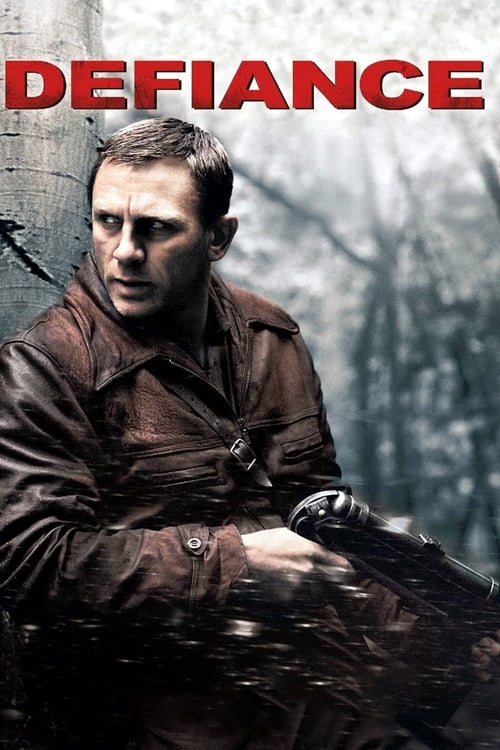
Tuvia Bielski, portrayed by Daniel Craig, is driven by a deep sense of responsibility to protect his family and community. After witnessing the brutal murder of his parents and the destruction of their village, he feels a profound obligation to save as many lives as possible. His internal conflict between the desire for revenge against the Nazis and the need to preserve life shapes his leadership style, as he often prioritizes the safety and survival of the group over personal vengeance.
How does the relationship between Tuvia and Zus Bielski evolve throughout the film?
The relationship between Tuvia and Zus, played by Liev Schreiber, is complex and evolves significantly. Initially, Tuvia's calm and strategic approach contrasts sharply with Zus's fiery desire for revenge against the Nazis. As the story progresses, their differing philosophies create tension, especially when Zus decides to join a partisan group. This divergence highlights their emotional struggles, with Tuvia feeling the weight of leadership and the need to protect their group, while Zus grapples with his longing for action and retribution.
What challenges do the Bielski brothers face while trying to protect the Jewish refugees?
The Bielski brothers face numerous challenges, including the constant threat of Nazi patrols, the harsh winter conditions, and the struggle for food and shelter. They must navigate the treacherous terrain of the forest while keeping their group hidden from enemy forces. Additionally, internal conflicts arise as the refugees grapple with fear, despair, and differing opinions on how to survive. Tuvia's leadership is tested as he balances the need for safety with the morale of the group, often making difficult decisions that weigh heavily on him.
What role does the character of Asael Bielski play in the story?
Asael Bielski, portrayed by Jamie Bell, is the youngest of the Bielski brothers and represents the innocence of youth amidst the horrors of war. His character undergoes significant development as he transitions from a boy into a young man forced to confront the brutal realities of survival. Asael's journey is marked by moments of bravery and vulnerability, as he struggles with the loss of his childhood and the weight of his family's legacy. His relationship with Tuvia and Zus also highlights the themes of brotherhood and sacrifice.
How does the film depict the moral dilemmas faced by the characters?
The film vividly portrays the moral dilemmas faced by the characters, particularly in moments of desperation. Tuvia often grapples with the decision to take lives in self-defense versus the imperative to save lives. The refugees must confront their own ethical boundaries when it comes to survival, leading to heated discussions about the value of life and the cost of revenge. These dilemmas are illustrated through tense scenes where characters must choose between risking their safety for the sake of others or prioritizing their own survival, reflecting the harsh realities of their situation.
Is this family friendly?
"Defiance," produced in 2008, is a historical war drama that depicts the harrowing experiences of Jewish brothers during World War II. While the film is a powerful narrative about survival and resistance, it contains several elements that may be objectionable or upsetting for children or sensitive viewers.
-
Violence and War Scenes: The film includes graphic depictions of violence, including shootings, beatings, and the brutality of war. These scenes can be intense and distressing.
-
Death and Suffering: There are numerous instances of death, including the loss of family members and friends, which may be emotionally challenging for younger audiences.
-
Concentration Camps: The film references and depicts the horrors of the Holocaust, including the treatment of Jewish people by the Nazis. This includes scenes that illustrate the fear and despair of those being hunted.
-
Emotional Trauma: Characters experience significant emotional pain, loss, and trauma throughout the film, which may be difficult for sensitive viewers to process.
-
Mature Themes: The film explores themes of survival, sacrifice, and moral dilemmas in extreme circumstances, which may be complex for younger viewers to understand.
Overall, "Defiance" is not considered family-friendly due to its mature content and the serious nature of its subject matter. Viewer discretion is advised.









