












Popular
What challenges does Coach Norman Dale face when he first arrives in Hickory?
How does the relationship between Coach Dale and Shooter evolve throughout the film?
What role does the character of Jimmy Chitwood play in the team's success?
How does the town of Hickory react to the basketball team's progress throughout the season?
What is the significance of the final game in the state championship for the characters involved?
Should I watch it?
Ask Your Own Question

What is the plot?
Sorry, we aren't able to watch and write up a full detailed plot yet. Check back in a few days.




What is the ending?
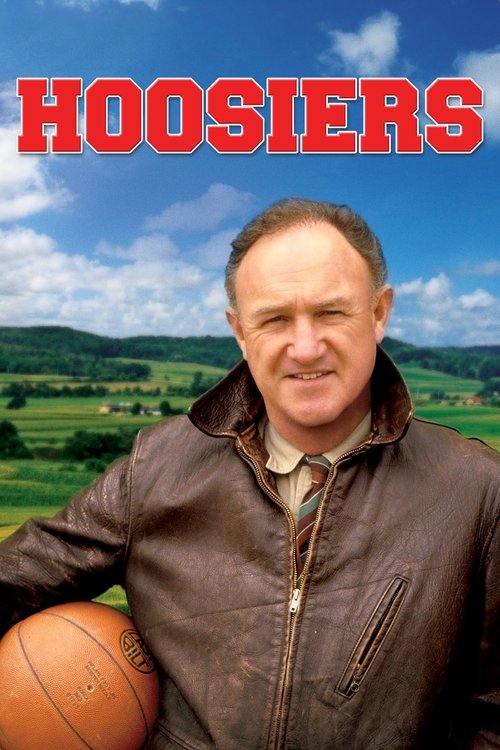
At the end of "Hoosiers," the small-town basketball team from Hickory wins the state championship against a much larger school, culminating in a triumphant moment for the team and the community. Coach Norman Dale, played by Gene Hackman, finds redemption and acceptance, while the players, especially Jimmy Chitwood, embrace their potential and the power of teamwork.
In a more detailed narrative, the climax of "Hoosiers" unfolds in the state championship game, held in a large arena filled with spectators, contrasting sharply with the small-town gym where Hickory usually plays. The atmosphere is electric, with the crowd buzzing in anticipation. Coach Norman Dale stands on the sidelines, his demeanor a mix of focus and determination, knowing that this game is not just about basketball but about the hopes of the entire community.
As the game begins, Hickory faces a formidable opponent, the South Bend Central Bears, who are taller and more experienced. The first half is tense, with Hickory struggling to find their rhythm. The scoreboard reflects the pressure, with Hickory trailing behind. Coach Dale, however, remains calm, encouraging his players to stick to their fundamentals and play as a team. He knows that they have the talent, but they need to believe in themselves.
During halftime, the team gathers in the locker room. The atmosphere is heavy with anxiety, but Coach Dale delivers a passionate speech, reminding them of their journey and the importance of teamwork. He emphasizes that they are not just playing for themselves but for each other and their town. This moment ignites a spark in the players, particularly in Jimmy Chitwood, who has been the team's star player but has also struggled with the weight of expectations.
As the second half begins, Hickory starts to find its footing. The players, fueled by their coach's words, begin to execute their plays with precision. Jimmy, who had been hesitant to take charge, steps up, making crucial shots and demonstrating his skill. The crowd, initially skeptical, begins to rally behind the underdog team, their cheers growing louder with each basket.
The game reaches a critical point in the final minutes. The score is tight, and the tension is palpable. Coach Dale calls a timeout, and the players huddle around him. He devises a final play, trusting Jimmy to take the last shot if the opportunity arises. The players nod in agreement, their confidence bolstered by their coach's faith in them.
As the clock winds down, Hickory finds themselves with the ball. The arena is filled with a mix of hope and anxiety. The players execute the play, moving the ball fluidly. Jimmy receives the pass, and in a moment that feels suspended in time, he takes the shot. The ball arcs beautifully through the air, and as it swishes through the net, the crowd erupts in jubilation. Hickory has won the state championship.
In the aftermath of the victory, the team celebrates on the court, their joy palpable. Coach Dale, who has faced skepticism and personal challenges throughout the season, stands proud, having earned the respect of his players and the community. Jimmy, who had once been uncertain about his role, is now a hero, embraced by his teammates and the town. The victory signifies not just a championship but a sense of belonging and achievement for everyone involved.
As the credits roll, the audience is left with a sense of closure. Coach Dale has found redemption, the players have discovered their strength, and the town of Hickory has united in pride and celebration. Each character has grown through the journey, embodying the themes of perseverance, teamwork, and the power of believing in oneself.
Is there a post-credit scene?
The movie "Hoosiers," produced in 1986, does not have a post-credit scene. The film concludes with a powerful and emotional climax as the small-town high school basketball team, the Hickory Huskers, competes in the state championship game. After the final buzzer, the story wraps up with a sense of triumph and resolution, focusing on the characters' journeys and the impact of their experiences. The credits roll without any additional scenes or content following them.
What challenges does Coach Norman Dale face when he first arrives in Hickory?
When Coach Norman Dale arrives in Hickory, he faces immediate skepticism from the townspeople and the school board due to his controversial past and unorthodox coaching methods. The community is wary of his ability to lead the team, especially after he is introduced to the players, who are initially resistant to his strict discipline and new strategies. Dale's struggle to gain the trust of both the players and the community is a central conflict in the early part of the film.
How does the relationship between Coach Dale and Shooter evolve throughout the film?
Initially, Shooter, the town's former star player and now an alcoholic, is seen as a liability by Coach Dale. However, as the story progresses, Dale recognizes Shooter's deep knowledge of the game and his passion for basketball. Their relationship evolves from one of distrust to mutual respect, culminating in a pivotal moment where Dale supports Shooter's redemption arc, allowing him to assist with coaching and ultimately helping him regain his self-worth.
What role does the character of Jimmy Chitwood play in the team's success?
Jimmy Chitwood is the star player whose talent is crucial to the team's success. Initially, he is reluctant to play due to the pressure and expectations placed on him. However, as Coach Dale encourages him to embrace his abilities, Jimmy becomes the team's cornerstone. His decision to return to the team and his clutch performances in critical games highlight his growth and the impact of teamwork, ultimately leading Hickory to the state championship.
How does the town of Hickory react to the basketball team's progress throughout the season?
As the Hickory basketball team begins to win games under Coach Dale's leadership, the town's attitude shifts from skepticism to pride. The community rallies around the team, attending games in droves and celebrating their victories. This growing support reflects the town's deep connection to basketball as a source of identity and hope, culminating in a palpable sense of unity and excitement as they advance toward the state championship.
What is the significance of the final game in the state championship for the characters involved?
The final game in the state championship serves as a culmination of the characters' journeys, particularly for Coach Dale, Jimmy, and Shooter. For Dale, it represents the validation of his coaching philosophy and the acceptance of the community. For Jimmy, it is a moment of personal triumph, showcasing his talent and leadership. For Shooter, it symbolizes redemption, as he overcomes his past struggles. The emotional stakes are high, and the game becomes a testament to teamwork, perseverance, and the realization of dreams.
Is this family friendly?
"Hoosiers," produced in 1986, is generally considered a family-friendly film, but it does contain some elements that may be objectionable or upsetting for children or sensitive viewers. Here are a few aspects to consider:
-
Alcoholism: The character of Coach Norman Dale has a troubled past, including issues with alcohol, which is depicted in a way that may be concerning for younger viewers.
-
Violence and Aggression: There are scenes of physical confrontations and aggressive behavior, particularly in the context of high school basketball rivalries, which may be intense for some viewers.
-
Emotional Struggles: Characters experience significant emotional turmoil, including feelings of failure, loss, and the pressure to succeed, which could be heavy for sensitive audiences.
-
Parental Conflict: There are moments of tension and conflict between characters, including disagreements and confrontations that may be unsettling for younger viewers.
-
Bullying: Some characters face bullying and ridicule, which could resonate negatively with children who have experienced similar situations.
Overall, while "Hoosiers" carries a positive message about perseverance and teamwork, these elements may require parental guidance for younger audiences.









