



























Popular
What is the significance of the Agojie warriors in the story?
How does Nawi's character develop throughout the film?
What role does General Nanisca play in the leadership of the Agojie?
What is the conflict between the Dahomey Kingdom and the Oyo Empire?
How does the film portray the relationship between the Agojie and the men of the kingdom?
Should I watch it?
Ask Your Own Question

What is the plot?
Sorry, we aren't able to watch and write up a full detailed plot yet. Check back in a few days.






What is the ending?
In the ending of "The Woman King," Nawi, the young warrior, faces a pivotal moment in battle, showcasing her growth and bravery. The kingdom of Dahomey successfully defends itself against the Oyo Empire, but not without sacrifice. General Nanisca confronts her past and ultimately finds peace. The film concludes with a sense of empowerment and resilience among the women warriors, as they stand united in their fight for freedom and dignity.
As the climax of "The Woman King" unfolds, the tension escalates in the final battle against the Oyo Empire. The scene opens with the warriors of Dahomey, led by General Nanisca, preparing for the confrontation. The air is thick with anticipation, and the women warriors, clad in their traditional attire, exude a fierce determination. Nawi, who has grown from a headstrong girl into a capable fighter, stands alongside her fellow Agojie, ready to defend their homeland.
As the battle commences, the camera captures the chaos of war--the clash of swords, the cries of warriors, and the dust rising from the ground. Nanisca, embodying both strength and vulnerability, fights with a fierce resolve, her eyes reflecting the weight of her past and the hope for her people's future. She is driven by the memories of her own trauma and the desire to protect the next generation of women warriors.
In a pivotal moment, Nawi finds herself face-to-face with an Oyo soldier. The fear and uncertainty that once clouded her judgment are replaced by a fierce determination. She recalls the lessons taught by Nanisca and the sacrifices made by her sisters in arms. With a swift and decisive move, she defeats her opponent, marking her transformation into a true warrior. This moment is not just a personal victory; it symbolizes the strength of the women of Dahomey and their fight for autonomy.
As the battle rages on, Nanisca confronts the Oyo general, a figure from her past who embodies the pain and loss she has endured. Their fight is not just physical; it is a confrontation of their histories and the choices that have shaped them. In a climactic duel, Nanisca emerges victorious, but not without scars--both physical and emotional. This victory is bittersweet, as it signifies the end of a long struggle but also the heavy toll that war exacts.
In the aftermath of the battle, the surviving warriors gather, their faces marked by exhaustion and triumph. The kingdom of Dahomey stands resilient, having defended its sovereignty against the Oyo Empire. Nawi, now fully embraced as a warrior, stands beside Nanisca, who has finally come to terms with her past. The bond between them is palpable, a testament to the strength of their shared experiences and the legacy they will continue to build.
As the film draws to a close, the women warriors of Dahomey are seen celebrating their victory, but the mood is tempered by the recognition of the sacrifices made. Nanisca, having faced her demons, finds a sense of peace and purpose. The final scenes depict the women united, their spirits unbroken, as they look toward a future where they can forge their own destinies. The film ends on a note of empowerment, highlighting the resilience of women and their capacity to fight for freedom and dignity in the face of adversity.
Is there a post-credit scene?
The Woman King does not have a post-credit scene. The film concludes with a powerful and emotional resolution, focusing on the themes of strength, resilience, and the legacy of the Agojie warriors. After the climactic battle and the resolution of the main conflicts, the story wraps up without any additional scenes during or after the credits. The ending emphasizes the journey of the characters and their commitment to their people, leaving the audience with a sense of closure.
What is the significance of the Agojie warriors in the story?
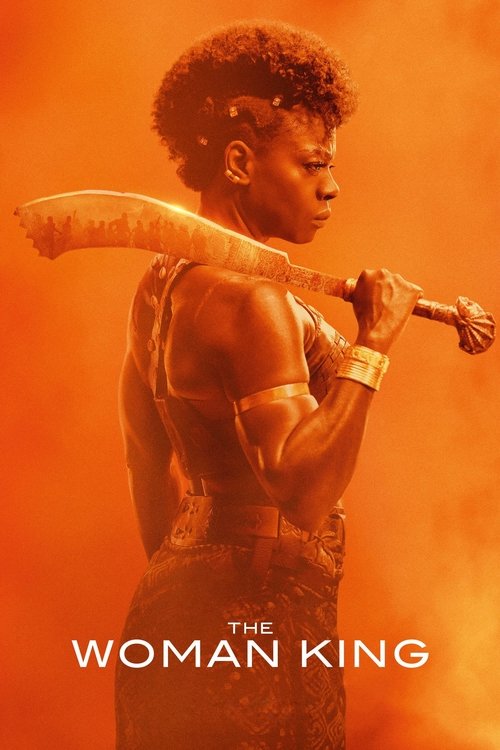
The Agojie warriors, also known as the Dahomey Amazons, are a central element of the story, representing female empowerment and strength. They are an all-female military unit that protects the Kingdom of Dahomey, showcasing their skills in combat and loyalty to their people. The film highlights their training, camaraderie, and the sacrifices they make to defend their kingdom against external threats.
How does Nawi's character develop throughout the film?
Nawi, a young woman who is initially rebellious and defiant, undergoes significant character development. She starts as a girl who resists traditional roles and is sent to the Agojie for training. Throughout the film, she learns discipline, the importance of community, and the value of her heritage. Her journey reflects her transformation from a headstrong individual to a skilled warrior who embraces her identity and purpose.
What role does General Nanisca play in the leadership of the Agojie?
General Nanisca is the fierce and determined leader of the Agojie. She embodies strength and resilience, guiding her warriors through intense training and battles. Her character is driven by a deep sense of duty to protect her kingdom and her people, and she faces personal struggles, including her past traumas and the pressure of leadership. Her relationship with Nawi also serves as a mentor-mentee dynamic, showcasing her nurturing side amidst her warrior persona.
What is the conflict between the Dahomey Kingdom and the Oyo Empire?
The conflict between the Dahomey Kingdom and the Oyo Empire is a pivotal plot element, representing the struggle for power and control over the slave trade. The Oyo Empire seeks to dominate Dahomey, leading to violent confrontations. This external threat forces the Agojie to unite and fight back, highlighting themes of resistance and survival. The tension escalates as both sides engage in strategic battles, showcasing the stakes involved for the Dahomey people.
How does the film portray the relationship between the Agojie and the men of the kingdom?
The film portrays a complex relationship between the Agojie and the men of the kingdom, emphasizing both collaboration and tension. While the Agojie are respected for their combat skills, there are moments of conflict regarding gender roles and expectations. Some male characters initially struggle to accept the strength of the female warriors, but as the story progresses, mutual respect develops. This dynamic adds depth to the narrative, illustrating the evolving perceptions of gender and power within the kingdom.
Is this family friendly?
"The Woman King" is a historical action drama that contains several elements that may not be suitable for younger audiences or sensitive viewers. Here are some potentially objectionable or upsetting aspects:
-
Violence and Combat: The film features intense battle scenes, including hand-to-hand combat, sword fighting, and the use of weapons. These scenes can be graphic and may depict injuries or death.
-
Historical Context of Slavery: The story is set against the backdrop of the slave trade, which is a significant and sensitive topic. There are references to the impact of slavery on individuals and communities.
-
Emotional Trauma: Characters experience loss, grief, and trauma, which may be emotionally intense for some viewers. The portrayal of these feelings can be quite raw and impactful.
-
Mature Themes: The film explores themes of power, gender roles, and the struggle for freedom, which may be complex for younger audiences to fully understand.
-
Cultural Practices: Some scenes may depict cultural rituals or practices that could be unfamiliar or unsettling to some viewers.
Overall, while "The Woman King" is a powerful narrative about strength and resilience, its content may be more appropriate for older teens and adults.








