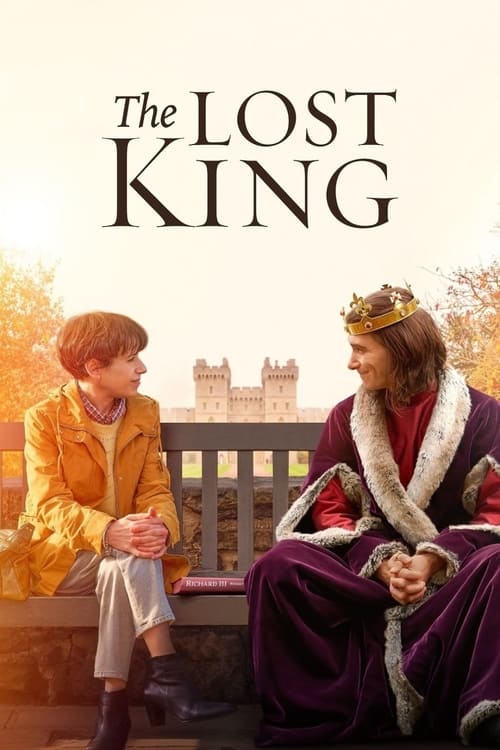



















Popular
Who is the main character in The Lost King and what motivates her quest?
What challenges does Philippa face in her search for Richard III's remains?
How does Philippa's relationship with her family influence her journey?
What role does the historical context of Richard III play in the narrative?
What is the significance of the discovery of Richard III's remains in the story?
Should I watch it?
Ask Your Own Question

What is the plot?
Sorry, we aren't able to watch and write up a full detailed plot yet. Check back in a few days.








What is the ending?
In the ending of "The Lost King," Philippa Langley successfully uncovers the remains of King Richard III beneath a parking lot in Leicester. The discovery is celebrated, and Philippa is recognized for her determination and passion in the quest for the truth about the king's legacy. The film concludes with a sense of closure for both Philippa and the historical narrative surrounding Richard III.
As the film approaches its conclusion, we find Philippa Langley, portrayed by Sally Hawkins, in a state of both anticipation and anxiety. After years of research and relentless pursuit, she stands before the site in Leicester where she believes King Richard III's remains lie buried. The scene is charged with emotion as she recalls the skepticism she faced from historians and the challenges that tested her resolve.
The camera captures her determination as she watches the excavation team begin their work. The atmosphere is tense, filled with the weight of history and the hope of discovery. As the dig progresses, Philippa's heart races, reflecting her deep connection to Richard III and her desire to vindicate his legacy.
Finally, the moment arrives when the archaeologists uncover a skeleton. The camera zooms in on Philippa's face, a mixture of disbelief and joy washing over her. She is validated in her quest, and the audience can feel her emotional release as she realizes that her years of dedication have led to this pivotal moment. The skeleton is confirmed to be that of Richard III, and the news spreads like wildfire, igniting excitement and interest in the historical figure.
In the aftermath of the discovery, Philippa is celebrated for her role in bringing Richard III's story to light. The film shows her attending a press conference where she speaks passionately about the king, emphasizing his humanity and the injustices he faced. Her voice is filled with conviction, and she stands tall, embodying the triumph of perseverance against the odds.
As the narrative unfolds, we see the reactions of other key characters. Philippa's husband, who had been skeptical of her obsession, begins to understand the significance of her work and the impact it has had on her life. Their relationship, once strained, finds a new foundation built on mutual respect and understanding.
The film also highlights the archaeologists and historians who initially doubted Philippa. Their eventual acknowledgment of her contributions serves as a reminder of the importance of passion and belief in one's convictions, even in the face of skepticism.
In the final scenes, we witness a poignant moment as Philippa stands before Richard III's remains, now housed in a dignified setting. She reflects on her journey, the struggles she faced, and the legacy she has helped to restore. The film closes with a sense of fulfillment, not just for Philippa but for the historical narrative itself, as Richard III is finally given the recognition he deserves.
The fate of each main character is intertwined with this resolution. Philippa emerges as a figure of resilience and determination, having transformed her passion into a historical revelation. Her husband finds a renewed appreciation for her spirit, and the archaeologists gain a deeper respect for the personal stories that drive historical inquiry. The film ends on a note of hope, emphasizing the power of individual tenacity in uncovering the truth and reshaping history.
Is there a post-credit scene?
The movie "The Lost King," produced in 2022, does not feature a post-credit scene. The film concludes its narrative without any additional scenes or content after the credits roll. The story wraps up with a focus on the journey of Philippa Langley, played by Sally Hawkins, and her determination to uncover the truth about King Richard III's remains, emphasizing themes of perseverance and historical discovery. The ending leaves viewers with a sense of closure regarding her quest and the impact it had on her life and the understanding of history.
Who is the main character in The Lost King and what motivates her quest?
The main character in The Lost King is Philippa Langley, portrayed by Sally Hawkins. Her motivation stems from a deep-seated desire to uncover the truth about King Richard III, whom she believes deserves recognition and a proper burial. Philippa is driven by her passion for history and her personal struggles with her own identity and self-worth, which are reflected in her quest to find the lost king's remains.
What challenges does Philippa face in her search for Richard III's remains?
Philippa faces numerous challenges in her search for Richard III's remains, including skepticism from historians and archaeologists who doubt her claims. She also encounters personal obstacles, such as her struggles with her health and the disapproval of her ex-husband and colleagues. These challenges test her resolve and determination, but she remains undeterred in her pursuit.
How does Philippa's relationship with her family influence her journey?
Philippa's relationship with her family, particularly her two sons, plays a significant role in her journey. Her sons provide emotional support and encouragement, but they also represent the stakes of her quest. As she navigates her obsession with Richard III, her family dynamics shift, highlighting the tension between her personal ambitions and her responsibilities as a mother.
What role does the historical context of Richard III play in the narrative?
The historical context of Richard III is central to the narrative of The Lost King. The film explores the controversial legacy of Richard III, who has been vilified in history as a tyrant. Philippa's quest to find his remains is not just about archaeology; it is also about reclaiming his story and challenging the historical narrative that has painted him in a negative light. This context adds depth to her motivations and the emotional weight of her journey.
What is the significance of the discovery of Richard III's remains in the story?
The discovery of Richard III's remains is a pivotal moment in The Lost King, symbolizing the culmination of Philippa's relentless pursuit. It serves as a validation of her efforts and a turning point in her life, allowing her to confront her own insecurities and find a sense of closure. The discovery also sparks a broader conversation about history, identity, and the importance of recognizing the past, making it a significant emotional and narrative climax.
Is this family friendly?
"The Lost King," produced in 2022, is generally considered family-friendly, but it does contain some elements that may be sensitive for children or those who are easily upset. Here are a few aspects to consider:
-
Themes of Loss and Grief: The film explores themes of loss, particularly related to the historical context of Richard III and the impact of his death. This may evoke feelings of sadness or discomfort.
-
Historical Context of Conflict: There are references to historical battles and political intrigue that may be complex or intense for younger viewers to fully grasp.
-
Emotional Struggles: The protagonist, Philippa Langley, experiences moments of frustration, self-doubt, and emotional turmoil as she navigates her quest. These scenes may resonate deeply and could be upsetting for sensitive viewers.
-
Depictions of Historical Figures: The portrayal of historical figures and their fates may include discussions of betrayal and ambition, which could be unsettling for some.
-
Mild Language: There may be instances of mild language that could be inappropriate for very young children.
Overall, while the film is suitable for a family audience, parents may want to consider these elements when deciding if it is appropriate for their children.