
























































Popular
What role does Thaddeus Stevens play in the passage of the 13th Amendment?
How does Lincoln's relationship with his son Robert evolve throughout the film?
What strategies does Lincoln use to secure votes for the 13th Amendment?
How does the film depict the opposition to the 13th Amendment?
What is the significance of Lincoln's conversations with Mary Todd Lincoln regarding their family?
Should I watch it?
Ask Your Own Question

What is the plot?
Sorry, we aren't able to watch and write up a full detailed plot yet. Check back in a few days.


What is the ending?
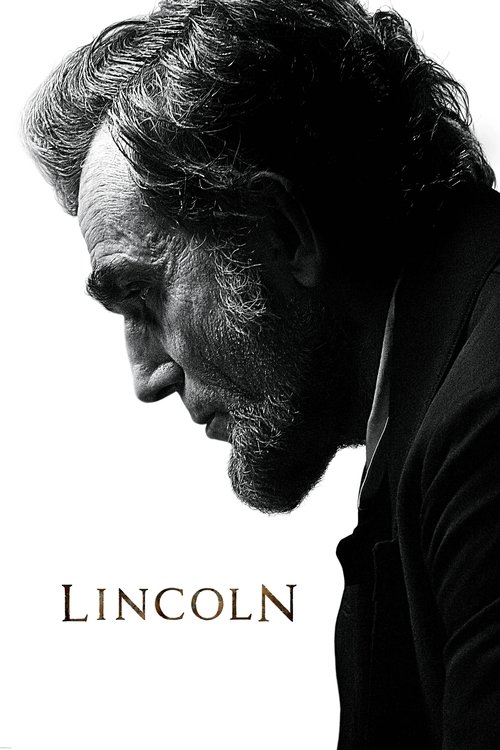
In the ending of the movie "Lincoln," President Abraham Lincoln successfully passes the Thirteenth Amendment, abolishing slavery in the United States. Shortly after the amendment is passed, Lincoln is assassinated by John Wilkes Booth at Ford's Theatre. The film concludes with a somber reflection on Lincoln's legacy and the impact of his leadership.
As the final act unfolds, the scene opens in the House of Representatives, where the tension is palpable. The vote on the Thirteenth Amendment is imminent. Lincoln, portrayed with a mix of determination and anxiety, stands in the background, watching as the representatives cast their votes. The camera captures the faces of the congressmen, some filled with resolve, others with doubt. The stakes are high, and the atmosphere is charged with the weight of history.
As the votes are tallied, the camera shifts to Lincoln's face, revealing his internal struggle and hope for a future free of slavery. The moment is tense; the sound of the tallying votes echoes in the chamber. Finally, the results are announced: the amendment has passed. A wave of relief washes over Lincoln, and he allows himself a moment of joy, sharing a heartfelt embrace with his wife, Mary Todd Lincoln, who has been a steadfast supporter throughout his presidency.
The scene transitions to Lincoln's office, where he reflects on the monumental achievement with his closest advisors, including Secretary of State William Seward. They discuss the implications of the amendment and the long road ahead for the nation. Lincoln's demeanor is a mix of triumph and somber awareness of the challenges that still lie ahead, particularly with the ongoing Civil War.
As the narrative progresses, the film shifts to a more personal moment between Lincoln and his son, Tad. They share a tender interaction, showcasing Lincoln's deep love for his family amidst the chaos of his presidency. This scene emphasizes Lincoln's humanity and the personal sacrifices he has made for the greater good.
However, the tone shifts dramatically as the film approaches its climax. The scene cuts to Ford's Theatre, where Lincoln and his wife are attending a play. The atmosphere is festive, filled with laughter and applause. Yet, an ominous tension lingers as John Wilkes Booth, a Confederate sympathizer, is seen lurking in the shadows. The audience is unaware of the impending tragedy.
As the play unfolds, Booth makes his move. The camera captures the moment of the assassination in a series of quick cuts: Booth entering the presidential box, the flash of the gun, and the chaos that ensues. Lincoln is shot, and the audience's laughter turns to screams of horror. The scene is chaotic, with people rushing to help, but the gravity of the moment is clear. Lincoln is gravely wounded.
The film then transitions to the aftermath of the assassination. Lincoln is carried to a nearby house, where doctors attempt to save him. The atmosphere is heavy with despair as Mary Todd Lincoln arrives, her face a mask of anguish. The camera lingers on Lincoln's face, capturing his fading strength and the profound loss that envelops the room.
In his final moments, Lincoln is surrounded by his family and closest advisors. He passes away, and the weight of his legacy hangs in the air. The film concludes with a poignant reflection on Lincoln's impact, showing images of the nation grappling with the consequences of his leadership and the fight for equality that continues beyond his death.
The fates of the main characters are sealed in this tragic conclusion. Abraham Lincoln, the visionary leader, is assassinated, leaving a nation in mourning. Mary Todd Lincoln is left to navigate her grief and the legacy of her husband. William Seward, who played a crucial role in the passage of the amendment, continues to serve in the government, facing the challenges of a nation in turmoil. The film closes on a note of somber reflection, emphasizing the enduring struggle for freedom and equality that Lincoln fought for, even as his life was cut short.
Is there a post-credit scene?
The movie "Lincoln," produced in 2012, does not have a post-credit scene. The film concludes with a poignant depiction of President Abraham Lincoln's assassination, followed by a brief epilogue that reflects on the impact of his leadership and the passage of the Thirteenth Amendment. The focus remains on the historical significance of Lincoln's efforts to abolish slavery and the emotional weight of his legacy, rather than any additional scenes or content after the credits.
What role does Thaddeus Stevens play in the passage of the 13th Amendment?
Thaddeus Stevens, portrayed by Tommy Lee Jones, is a passionate and radical Republican congressman who plays a crucial role in advocating for the passage of the 13th Amendment. He is deeply committed to the abolition of slavery and uses his influence to rally support among fellow lawmakers. Stevens is depicted as a fierce orator, willing to confront opposition head-on, and his emotional investment in the cause is palpable, as he believes that the amendment is essential for true equality.
How does Lincoln's relationship with his son Robert evolve throughout the film?
Lincoln's relationship with his son Robert, played by Joseph Gordon-Levitt, is strained and complex. Initially, Robert is determined to enlist in the army, seeking to prove his worth and contribute to the war effort. Lincoln, however, is protective and fearful for his son's safety, leading to tense exchanges. As the film progresses, Lincoln's understanding of Robert's desire for independence grows, and he ultimately supports his son's decision, reflecting Lincoln's own struggles with fatherhood and the burdens of leadership.
What strategies does Lincoln use to secure votes for the 13th Amendment?
Lincoln employs a variety of strategies to secure the necessary votes for the 13th Amendment. He engages in political maneuvering, including offering patronage jobs and making promises to key legislators. He also relies on his close advisors, such as William Seward, to help persuade undecided congressmen. The film illustrates Lincoln's shrewdness and determination, showcasing his ability to navigate the political landscape with both charm and firmness, all while maintaining his moral compass.
How does the film depict the opposition to the 13th Amendment?
The film portrays the opposition to the 13th Amendment as a formidable force, primarily represented by conservative Democrats and some moderate Republicans who fear the implications of abolishing slavery. These characters express concerns about the potential social upheaval and economic consequences of emancipation. The tension is palpable during congressional debates, where the stakes are high, and the emotional weight of the issue is felt by all involved, highlighting the deep divisions within the country.
What is the significance of Lincoln's conversations with Mary Todd Lincoln regarding their family?
Lincoln's conversations with Mary Todd Lincoln, played by Sally Field, reveal the personal toll that the war and political pressures take on their family. Mary is depicted as emotionally strained, grappling with the loss of their son Willie and the fear of losing another child to the war. These intimate moments between Lincoln and Mary showcase their deep love and mutual support, but also the strain that public duty places on their marriage. Their discussions often reflect the broader themes of sacrifice and the personal costs of leadership.
Is this family friendly?
The movie "Lincoln," directed by Steven Spielberg, is a historical drama that delves into the final months of President Abraham Lincoln's life and his efforts to pass the Thirteenth Amendment, which aimed to abolish slavery in the United States. While the film is critically acclaimed and offers a profound look at a pivotal moment in American history, it does contain several elements that may be considered objectionable or upsetting for children or sensitive viewers.
-
Violence and War Imagery: The film includes depictions of the Civil War, with references to battles and the brutal realities of war. There are scenes that convey the violence and suffering experienced by soldiers, which may be distressing.
-
Death and Grief: The narrative touches on themes of loss, particularly with the death of Lincoln's son, Willie. The emotional weight of grief is portrayed, which may be heavy for younger viewers.
-
Racial Themes: The film addresses the issue of slavery and racism, including discussions of the dehumanization of enslaved people. Some scenes may include harsh language or concepts that could be challenging for children to understand.
-
Political Manipulation: There are scenes that depict the morally ambiguous decisions made in the political arena, including bribery and manipulation, which may be complex for younger audiences to grasp.
-
Emotional Tension: The film is rich in emotional depth, showcasing Lincoln's internal struggles, the pressures of leadership, and the moral dilemmas he faces. This emotional intensity may be overwhelming for some viewers.
Overall, while "Lincoln" is a significant historical film, its themes and content may not be suitable for all children or sensitive individuals. Viewer discretion is advised.






