


















































Popular
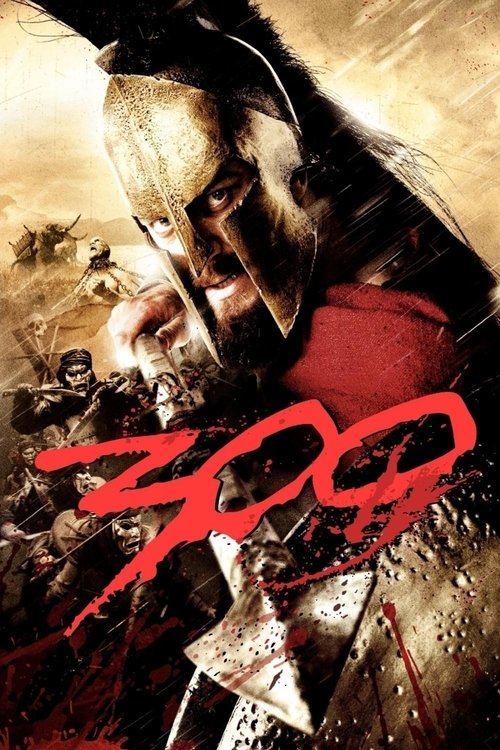
What motivates King Leonidas to take his 300 Spartans to fight against the Persian army?
How does the character of Xerxes contrast with Leonidas throughout the film?
What role does Queen Gorgo play in the story, and how does her character influence the events?
What is the significance of the 'Hot Gates' location in the battle against the Persians?
How does the film depict the relationship between the Spartans and their way of life?
Should I watch it?
Ask Your Own Question

What is the plot?
Sorry, we aren't able to watch and write up a full detailed plot yet. Check back in a few days.

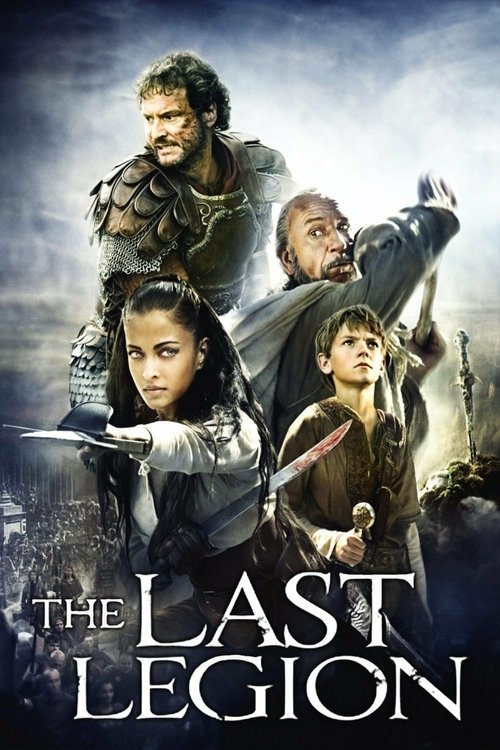
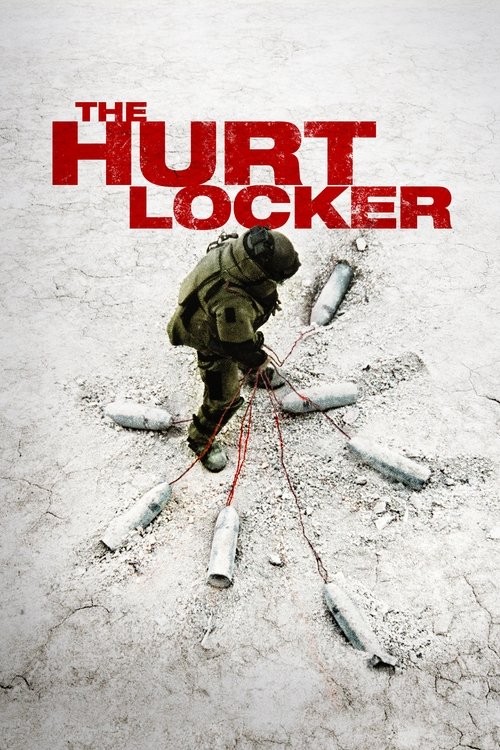



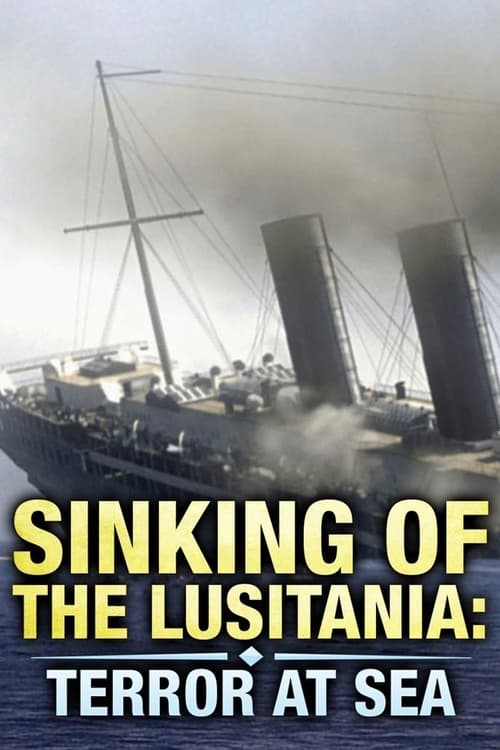
What is the ending?
In the ending of the movie "300," King Leonidas and his remaining Spartans face the overwhelming forces of the Persian army led by Xerxes. Despite their valiant efforts, they are ultimately outnumbered and fall in battle. However, their sacrifice inspires the Greek city-states to unite against the Persians, leading to a future victory at the Battle of Plataea.
As the climax of "300" unfolds, the scene shifts to the battlefield where King Leonidas and his loyal Spartans stand resolute against the massive Persian army. The sun casts a harsh light on the blood-soaked ground, and the air is thick with tension and the scent of impending death. Leonidas, clad in his iconic red cape and bronze armor, rallies his men, instilling in them a fierce sense of pride and duty. He knows they are vastly outnumbered, but the spirit of Sparta drives them to fight for their freedom and honor.
The battle begins with a thunderous clash as the Spartans engage the Persian forces. The choreography of combat is brutal and visceral; swords clash, shields splinter, and the cries of warriors fill the air. Leonidas fights with unmatched ferocity, embodying the Spartan ideal of bravery and sacrifice. His men, including the steadfast Captain, fight valiantly, each blow struck with the knowledge that they may not survive the day.
As the battle rages on, the Spartans employ their superior tactics and training, forming a phalanx that allows them to hold their ground against the relentless waves of Persian soldiers. The camera captures the intensity of their struggle, showcasing the sweat and blood that mark their faces, the determination in their eyes, and the camaraderie that binds them together. Each Spartan falls one by one, yet they continue to fight, driven by their loyalty to Leonidas and their homeland.
In a pivotal moment, Leonidas faces Xerxes himself, who attempts to intimidate him with promises of power and wealth. Leonidas, unwavering, rejects Xerxes' offers, declaring that he would rather die a free man than live as a slave. This moment encapsulates the core of Leonidas' character--his unyielding spirit and commitment to freedom.
As the battle reaches its climax, the Spartans are eventually overwhelmed by the sheer number of Persian soldiers. One by one, they fall, but not without taking many enemies with them. The camera lingers on the faces of the fallen Spartans, capturing their bravery and the tragic weight of their sacrifice. Leonidas, gravely wounded, continues to fight until he is ultimately surrounded. In his final moments, he stands defiantly, a symbol of resistance against tyranny.
The scene transitions to the aftermath of the battle. The surviving Spartan soldiers, led by Dilios, return to Sparta to tell the tale of their fallen brothers. Dilios, now a storyteller, recounts the heroism of Leonidas and the Spartans, igniting a fire in the hearts of the Greek city-states. His words resonate, inspiring them to unite against the Persian threat. The film closes with a powerful message: the sacrifice of a few can ignite the spirit of many, leading to a united front against oppression.
In the end, King Leonidas dies a hero, his legacy cemented in the hearts of those who survive. The Captain, along with the remaining Spartans, also falls in battle, but their bravery is not forgotten. The fate of the Persian army is one of eventual defeat, as the united Greek forces rise to avenge the fallen Spartans, culminating in a decisive victory at the Battle of Plataea. The film concludes with a sense of hope and the enduring power of sacrifice, illustrating that true strength lies in unity and the willingness to fight for freedom.
Is there a post-credit scene?
The movie "300," produced in 2007, does not have a post-credit scene. The film concludes with the climactic battle of the Battle of Thermopylae, where King Leonidas and his 300 Spartans make their final stand against the overwhelming Persian forces led by King Xerxes. After the intense and emotional conclusion, the credits roll without any additional scenes or content following them. The focus remains on the themes of honor, sacrifice, and the valor of the Spartans, leaving the audience with the powerful imagery and messages conveyed throughout the film.
What motivates King Leonidas to take his 300 Spartans to fight against the Persian army?
King Leonidas is driven by a fierce sense of duty to protect his homeland of Sparta and uphold the honor of his people. He is also motivated by the vision of a free Greece, as he believes that the Persian invasion threatens not only Sparta but all of Greece. His personal honor and the legacy he wishes to leave behind for his son and future generations also fuel his determination to stand against overwhelming odds.
How does the character of Xerxes contrast with Leonidas throughout the film?
Xerxes, the Persian king, is portrayed as a god-like figure, adorned with gold and surrounded by opulence, representing tyranny and excess. In contrast, Leonidas embodies the Spartan ideals of discipline, bravery, and sacrifice. While Xerxes relies on his vast army and wealth to intimidate, Leonidas inspires his men through his courage and leadership, emphasizing the strength of unity and the Spartan way of life.
What role does Queen Gorgo play in the story, and how does her character influence the events?
Queen Gorgo is a pivotal character who represents strength and resilience. She supports Leonidas's decision to go to war, understanding the importance of their fight for freedom. Gorgo also plays a crucial role in rallying support for Leonidas by confronting the Spartan council and seeking aid from the councilman Theron, showcasing her political acumen and determination to protect Sparta.
What is the significance of the 'Hot Gates' location in the battle against the Persians?
The 'Hot Gates,' or Thermopylae, is a narrow pass that serves as a strategic choke point for the Spartans. Its geography allows Leonidas and his 300 men to hold off the vastly larger Persian army, demonstrating the tactical advantage of using terrain in warfare. The location symbolizes the Spartans' bravery and tactical genius, as they choose to fight in a place where their numbers can be offset by their superior fighting skills.
How does the film depict the relationship between the Spartans and their way of life?
The film vividly illustrates the Spartan way of life through rigorous training, discipline, and a focus on martial prowess. The bond between the Spartans is portrayed as one of brotherhood and loyalty, with scenes showing their training, camaraderie, and shared values. This lifestyle is contrasted with the decadence of the Persian empire, highlighting the Spartans' commitment to honor, sacrifice, and the belief in fighting for a noble cause.
Is this family friendly?
The movie "300," produced in 2007, is not considered family-friendly due to its intense and graphic content. Here are some potentially objectionable or upsetting aspects that may affect children or sensitive viewers:
-
Graphic Violence: The film features numerous battle scenes with extreme violence, including decapitations, impalements, and bloodshed. The depiction of combat is stylized but very intense.
-
Nudity and Sexual Content: There are scenes that include nudity and sexual themes, particularly involving the character of Queen Gorgo and her interactions with King Leonidas.
-
Strong Language: The dialogue includes strong language and profanity, which may not be suitable for younger audiences.
-
Themes of Death and Sacrifice: The film explores heavy themes such as honor, sacrifice, and the consequences of war, which may be distressing for some viewers.
-
Intimidating Characters: The portrayal of the Persian army, particularly the character of Xerxes, includes elements that may be frightening or unsettling, such as their size, demeanor, and the supernatural aspects of their portrayal.
These elements contribute to the film's rating and overall tone, making it more appropriate for mature audiences.








