



























Popular
What is the relationship between Suleiman and Hurrem Sultan throughout the series?
How does the character of Ibrahim Pasha influence Suleiman's reign?
What are the key events that lead to Hurrem Sultan's rise to power?
What role does the Valide Sultan play in the dynamics of the harem?
How does the series depict the rivalry between Hurrem Sultan and Mahidevran?
Should I watch it?
Ask Your Own Question

What is the plot?
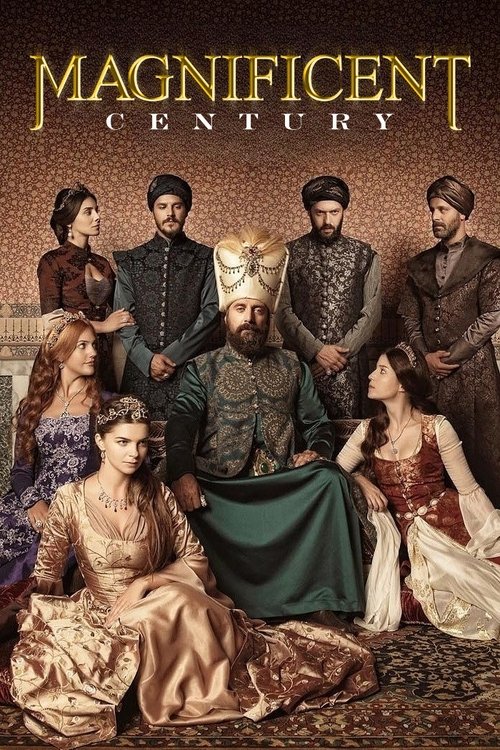
The story begins in the early 16th century, focusing on the young and ambitious Sultan Suleiman I, who ascends to the throne of the Ottoman Empire. He is determined to expand his empire and solidify his power. As he takes control, he is introduced to his future wife, Hurrem Sultan, a beautiful and intelligent Ukrainian slave girl who is brought to the palace. Initially, she is a mere servant, but her charm and wit quickly catch Suleiman's attention.
Hurrem's journey begins when she cleverly manipulates her way into Suleiman's favor, using her intelligence and beauty to stand out among the other women in the harem. She becomes a favorite of the Sultan, which stirs jealousy among the other concubines, particularly Mahidevran, who is Suleiman's first and official concubine. Mahidevran is fiercely protective of her position and feels threatened by Hurrem's growing influence.
As Hurrem and Suleiman's relationship deepens, they share intimate moments that reveal their emotional connection. Hurrem's cunning nature is showcased when she uses her knowledge of the Sultan's interests to win his heart further. She also begins to manipulate the political landscape within the palace, gaining allies and undermining Mahidevran's position.
Suleiman's military campaigns begin, showcasing his ambition to expand the empire. He leads his troops into battle, demonstrating his prowess as a leader. During these campaigns, he faces various challenges, including rival empires and internal dissent. His victories solidify his reputation, but they also create tension within the palace as power dynamics shift.
As Hurrem becomes more entrenched in Suleiman's life, she gives birth to several children, including their first son, Şehzade Mehmed. This solidifies her status in the harem, but it also intensifies Mahidevran's jealousy. The rivalry between the two women escalates, leading to confrontations that reveal their deep-seated animosity.
Hurrem's ambition drives her to seek more power. She begins to influence Suleiman's decisions, advising him on matters of state and personal relationships. Her cunning nature is highlighted when she orchestrates events to ensure her children are favored over Mahidevran's. This includes manipulating the Sultan's perception of Mahidevran, painting her as a threat to the empire.
As the series progresses, Hurrem's relationship with Suleiman becomes more complex. She struggles with her identity as a former slave and her new role as the Sultan's wife. Her internal conflict is palpable as she navigates the treacherous waters of palace politics. She often finds herself torn between her love for Suleiman and her desire for power.
The political landscape shifts dramatically when Hurrem's machinations lead to the downfall of several key figures in the palace. She orchestrates the exile of Mahidevran, who is sent away from the palace, leaving Hurrem as the undisputed favorite. This victory is bittersweet for Hurrem, as she realizes the lengths she has gone to achieve her goals.
Suleiman's campaigns continue, and he faces significant challenges, including betrayals from within his ranks. Hurrem's influence grows, and she becomes a trusted advisor to the Sultan. However, her ambition also leads to conflicts with other members of the court, including the Grand Vizier, who sees her as a threat to the traditional power structure.
As the series reaches its climax, Hurrem's past comes back to haunt her. A former enemy resurfaces, threatening her position and the safety of her children. This leads to a series of tense confrontations, where Hurrem must use all her cunning to protect her family and maintain her power.
The final episodes depict the culmination of Hurrem's journey. She faces the consequences of her actions as her enemies close in. The emotional stakes are high as she fights to protect her children and secure her legacy. The series concludes with a dramatic showdown that tests Hurrem's resolve and ultimately shapes the future of the Ottoman Empire.
In the end, Hurrem's ambition and cunning have transformed her from a mere slave into one of the most powerful women in the empire. Her relationship with Suleiman remains complex, filled with love, betrayal, and political intrigue. The legacy of their union and the impact of their decisions resonate throughout the empire, leaving a lasting mark on history.









What is the ending?
In the ending of "Magnificent Century," the series culminates in a dramatic confrontation between Sultan Suleiman and his enemies, leading to significant personal losses and a tragic resolution for several key characters. The series concludes with the death of Hürrem Sultan, Suleiman's beloved wife, and the emotional fallout that follows, leaving a lasting impact on the Sultan and the empire.
As the final episodes unfold, the tension within the palace reaches a boiling point. Hürrem Sultan, who has been a powerful and influential figure throughout the series, faces her mortality. She is gravely ill, and her health deteriorates rapidly. In her final moments, she reflects on her life, her love for Suleiman, and the sacrifices she has made for power and family. The emotional weight of her impending death is palpable, as she shares a heartfelt farewell with Suleiman, who is devastated by the thought of losing her.
In a poignant scene, Hürrem urges Suleiman to remember her not just as a wife but as a partner in ruling the empire. She expresses her fears for their children and the future of the empire, emphasizing the importance of unity and strength. Suleiman, torn between his duties as a ruler and his love for Hürrem, promises to honor her wishes.
As Hürrem passes away, the palace is enveloped in grief. Suleiman is left heartbroken, struggling to cope with the loss of the woman who has been by his side through triumphs and trials. The emotional impact of her death reverberates throughout the court, affecting their children and the political landscape of the empire.
In the aftermath of Hürrem's death, Suleiman becomes increasingly isolated, consumed by his sorrow. He reflects on the choices he has made and the cost of power. The once vibrant and dynamic ruler is now a shadow of his former self, haunted by memories of Hürrem and the love they shared.
The series concludes with a sense of melancholy, as Suleiman is left to navigate the complexities of leadership without Hürrem's guidance. The final scenes depict him gazing out over the empire, a man burdened by loss and the weight of his responsibilities. The legacy of Hürrem and their love story lingers, shaping the future of the empire and the lives of their children.
In summary, the ending of "Magnificent Century" is marked by Hürrem Sultan's death, Suleiman's profound grief, and the lasting impact of their relationship on the empire. Each character faces the consequences of their choices, and the series closes on a note of reflection and sorrow, highlighting the personal costs of ambition and power.
Is there a post-credit scene?
The TV show "Magnificent Century," produced in 2011, does not feature a post-credit scene. The series concludes its episodes without any additional scenes after the credits roll. Each episode wraps up its narrative arcs, focusing on the intricate relationships and political maneuvers within the Ottoman Empire, particularly surrounding the reign of Sultan Suleiman the Magnificent and his beloved Hürrem Sultan. The storytelling is rich and detailed, emphasizing the emotional and political stakes of the characters, but there are no additional scenes or teasers following the credits.
What is the relationship between Suleiman and Hurrem Sultan throughout the series?
Suleiman the Magnificent and Hurrem Sultan share a complex and passionate relationship that evolves throughout the series. Initially, Suleiman is captivated by Hurrem's beauty and intelligence, leading him to take her as his concubine. As their bond deepens, Hurrem's ambition and cunning nature come to the forefront, as she seeks to secure her position as the Sultan's favorite and eventually his legal wife. Their love story is marked by intense passion, political intrigue, and personal sacrifices, as Hurrem navigates the treacherous waters of the Ottoman court, often clashing with other women vying for Suleiman's affection and power.
How does the character of Ibrahim Pasha influence Suleiman's reign?
Ibrahim Pasha, initially Suleiman's closest friend and confidant, plays a pivotal role in the Sultan's reign. As the Grand Vizier, he helps Suleiman implement significant reforms and expand the empire. However, their relationship becomes strained as Ibrahim's ambition grows, leading to jealousy and suspicion. Suleiman's internal conflict is palpable as he grapples with loyalty to his friend and the need to maintain control over his empire. Ultimately, Ibrahim's fate serves as a turning point for Suleiman, highlighting the dangers of power and the fragility of trust.
What are the key events that lead to Hurrem Sultan's rise to power?
Hurrem Sultan's rise to power is marked by several key events throughout the series. After being brought to the palace as a slave, her intelligence and charm quickly catch Suleiman's attention. She strategically uses her wit to outmaneuver rivals, including the powerful Valide Sultan, and secures her position by giving birth to Suleiman's children. Her cunning nature is showcased when she orchestrates the downfall of her enemies, including the execution of those who threaten her status. Each victory solidifies her influence over Suleiman, ultimately leading to her becoming his legal wife and the mother of the future heir.
What role does the Valide Sultan play in the dynamics of the harem?
The Valide Sultan, as the mother of Suleiman, wields significant power within the harem and the Ottoman court. Her character is portrayed as fiercely protective of her son and deeply invested in maintaining her own influence. She often clashes with Hurrem Sultan, viewing her as a threat to her authority. The Valide Sultan's manipulations and schemes create a tense atmosphere in the harem, as she attempts to control the narrative and ensure her family's legacy. Her internal struggles and motivations reveal the complexities of maternal love intertwined with political ambition.
How does the series depict the rivalry between Hurrem Sultan and Mahidevran?
The rivalry between Hurrem Sultan and Mahidevran is a central conflict in the series, characterized by jealousy, ambition, and betrayal. Mahidevran, Suleiman's first concubine and mother of his eldest son, views Hurrem as an interloper who threatens her position. The tension escalates as Hurrem's cleverness and charm win Suleiman's favor, leading to Mahidevran's desperation to reclaim her status. Their confrontations are filled with emotional intensity, showcasing Mahidevran's bitterness and Hurrem's determination. The rivalry ultimately highlights the harsh realities of life in the harem, where love and power are inextricably linked.
Is this family friendly?
"Magnificent Century" is a historical drama that portrays the life of Sultan Suleiman the Magnificent and his court during the Ottoman Empire. While the show is visually stunning and rich in historical detail, it contains several elements that may not be suitable for children or sensitive viewers.
-
Violence and Warfare: The series depicts battles, executions, and political intrigue, which can include graphic scenes of violence and bloodshed. The portrayal of war and its consequences may be distressing.
-
Romantic and Sexual Content: There are numerous romantic entanglements, including seduction, infidelity, and sexual relationships that are central to the plot. Some scenes may be suggestive or explicit in nature.
-
Political Intrigue and Betrayal: The show explores themes of betrayal, power struggles, and manipulation, which can be intense and emotionally charged. Characters often face life-and-death situations due to political machinations.
-
Emotional Turmoil: Characters experience significant emotional distress, including jealousy, heartbreak, and loss. The portrayal of these feelings can be intense and may resonate deeply with viewers.
-
Cultural and Historical Context: The series includes depictions of historical practices and societal norms that may be unfamiliar or unsettling to modern audiences, such as slavery and the treatment of women in the context of the Ottoman court.
Overall, while "Magnificent Century" offers a rich narrative and beautiful cinematography, its themes and content may not be appropriate for younger audiences or those sensitive to violence and complex emotional situations.