



Popular
What is the significance of Rinne's job as a shinigami in the series?
How does Rinne's relationship with Sakura Miku develop throughout the series?
What role does Rinne's grandmother play in the story?
What are the main challenges Rinne faces in his shinigami duties?
How does the character of Ageha influence Rinne's journey?
Should I watch it?
Ask Your Own Question

What is the plot?
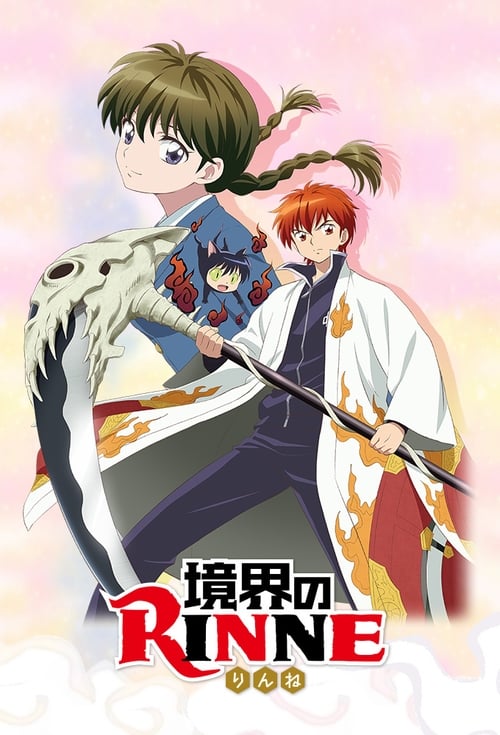
The story begins with Rinne Rokudo, a high school student who is also a shinigami, or death god. He is tasked with guiding spirits to the afterlife. Rinne is introduced as a somewhat reluctant shinigami, struggling with his responsibilities and the financial burdens of his family's legacy. He often finds himself in humorous situations due to his lack of funds and the eccentricities of his job.
In the first episode, Rinne encounters a girl named Sakura Miku, who can see spirits. She is drawn to Rinne and his shinigami duties. Rinne is initially annoyed by her presence, as he prefers to work alone. However, he soon realizes that Sakura has a unique ability to help him with his tasks, as she can communicate with the spirits he encounters. Their relationship begins to develop as they work together, with Sakura often providing emotional support to Rinne.
As the episodes progress, Rinne faces various challenges, including dealing with troublesome spirits and other shinigami. One significant plot point occurs when Rinne must confront a spirit that refuses to move on due to its attachment to the living world. Rinne uses his shinigami tools, such as the "shinigami's scythe," to help the spirit find closure. This scene highlights Rinne's internal struggle between his duties and his desire to help others.
In another episode, Rinne's childhood friend, Ageha, reappears. Ageha is a powerful shinigami with a strong personality, and her presence complicates Rinne's life. She often teases him and challenges his abilities, which leads to comedic moments. However, her arrival also brings tension, as Rinne must navigate his feelings for both Ageha and Sakura. This love triangle adds depth to Rinne's character, showcasing his insecurities and the pressure he feels to fulfill his role as a shinigami.
The series also introduces Rinne's rival, the shinigami named Kain. Kain is ambitious and often tries to outdo Rinne, leading to various confrontations. In one notable episode, Kain attempts to steal Rinne's clients, leading to a showdown between the two. Rinne, using his wit and resourcefulness, manages to outsmart Kain, but not without a series of comedic mishaps that highlight Rinne's clumsiness.
As the story unfolds, Rinne and Sakura's bond deepens. They share moments of vulnerability, such as when Sakura reveals her own struggles with her ability to see spirits. Rinne, in turn, opens up about his family's history and the burden of being a shinigami. These emotional exchanges strengthen their partnership and set the stage for future challenges.
In a pivotal episode, Rinne faces a powerful spirit that threatens to disrupt the balance between the living and the dead. This spirit, fueled by anger and resentment, poses a significant threat. Rinne, with Sakura's help, devises a plan to confront the spirit. They work together to uncover the spirit's past, ultimately leading to a confrontation where Rinne must use all his skills to guide the spirit to peace. This battle is intense, filled with dramatic visuals and emotional stakes, as Rinne fights not just for his duty but for the spirit's redemption.
The climax of the series occurs when Rinne must confront his own fears and insecurities. He faces a situation where he must choose between his responsibilities as a shinigami and his personal feelings for Sakura. This internal conflict culminates in a dramatic scene where Rinne must make a sacrifice to protect Sakura from a malevolent spirit. His decision showcases his growth as a character, as he learns to prioritize the well-being of others over his own fears.
In the final episodes, Rinne and Sakura's relationship reaches a turning point. They confront their feelings for each other amidst the chaos of their shinigami duties. Rinne, now more confident in his role, takes decisive actions to protect the spirits and those he cares about. The series concludes with Rinne and Sakura solidifying their partnership, ready to face whatever challenges come their way, leaving viewers with a sense of hope and anticipation for their future adventures.
More TV Shows Like This
Browse All TV Shows →






What is the ending?
In the ending of "Rin-ne," Rinne and Sakura face various challenges as they navigate their feelings for each other and the responsibilities of their supernatural roles. The series concludes with a sense of unresolved tension regarding their relationship, but they continue to support each other in their respective duties.
As the series draws to a close, Rinne and Sakura confront a powerful spirit that threatens the balance between the living and the dead. Rinne, with his determination and growth throughout the series, steps up to protect Sakura and the living world. Sakura, showcasing her own strength and resolve, stands by Rinne, demonstrating her commitment to him and their shared mission.
The final scenes depict Rinne and Sakura working together to resolve the conflict, showcasing their teamwork and deepening bond. While the immediate threat is neutralized, the series ends on a note that leaves their romantic relationship open-ended, hinting at future possibilities without providing a definitive conclusion.
As the final episodes of "Rin-ne" unfold, the atmosphere is charged with anticipation. The sun hangs low in the sky, casting a warm glow over the school grounds where Rinne and Sakura often meet. The air is thick with the scent of cherry blossoms, a reminder of the fleeting nature of time and relationships.
Scene 1: The Encounter with the Spirit Rinne, clad in his signature black and white school uniform, stands at the edge of a forest, his expression serious. He senses a disturbance in the spiritual realm, a powerful spirit that has begun to wreak havoc in the human world. Sakura, with her long hair flowing in the breeze, approaches him, her eyes wide with concern. "Rinne, what's wrong?" she asks, her voice laced with worry. Rinne explains the situation, his brow furrowed in concentration. He knows that they must act quickly to prevent the spirit from causing more chaos.
Scene 2: Preparing for Battle As they prepare to confront the spirit, Rinne's internal struggle is palpable. He feels the weight of his responsibilities as a shinigami, yet he is also acutely aware of his feelings for Sakura. He glances at her, noting her determination, and feels a surge of motivation. Sakura, too, is conflicted; she wants to support Rinne but fears for his safety. They exchange a brief, reassuring smile, a silent promise to protect one another.
Scene 3: The Confrontation The scene shifts to a darkened area of the forest where the spirit manifests, a swirling mass of anger and sorrow. Rinne steps forward, brandishing his shinigami tools, while Sakura stands beside him, ready to assist. The spirit lashes out, and the tension escalates. Rinne calls upon his training, his voice steady as he commands the spirit to calm down. Sakura, using her own spiritual energy, channels her strength into Rinne, reinforcing his resolve.
Scene 4: The Resolution After a fierce struggle, Rinne and Sakura manage to subdue the spirit. The air crackles with energy as they work in tandem, their movements synchronized. Finally, with a final push, they succeed in guiding the spirit to the afterlife, restoring balance. As the spirit fades away, Rinne and Sakura stand together, panting but triumphant. Rinne looks at Sakura, a mix of relief and gratitude in his eyes. "We did it," he breathes, a smile breaking through his usual stoic demeanor.
Scene 5: The Aftermath In the aftermath, the sun breaks through the clouds, illuminating the forest in a golden light. Rinne and Sakura walk back to school, the weight of their recent battle still fresh in their minds. They share stories and laughter, the bond between them stronger than ever. However, as they approach the school gates, an unspoken tension lingers. Rinne's thoughts drift to the future, and he wonders about the path ahead for them both.
Scene 6: The Open-Ended Conclusion The series concludes with Rinne and Sakura standing at the school entrance, their silhouettes framed against the setting sun. They exchange a lingering glance, filled with unexpressed emotions. While they have faced challenges together, the question of their relationship remains unresolved. The screen fades to black, leaving viewers with a sense of hope and anticipation for what lies ahead for Rinne and Sakura, as well as the other characters who have supported them throughout their journey.
In this ending, Rinne continues his role as a shinigami, now with a deeper understanding of his responsibilities and a stronger connection to Sakura. Sakura, having proven her own strength, remains by Rinne's side, ready to face whatever challenges may come their way. The series closes, leaving the fate of their relationship open to interpretation, yet filled with the promise of future adventures together.
Is there a post-credit scene?
In the 2015 anime series "Rin-ne," there is indeed a post-credit scene that adds a light-hearted touch to the overall narrative.
As the credits roll, the scene opens with Rinne Rokudo, the protagonist, sitting in his classroom, looking somewhat bored. The atmosphere is casual, with the sounds of students chatting and the teacher's voice fading into the background. Rinne's expression shifts from boredom to mild annoyance as he glances at his classmate, Sakura Mamiya, who is sitting nearby, seemingly lost in thought.
Suddenly, the scene transitions to a comedic moment where Rinne's spirit companion, the black cat named Rokumon, appears. Rokumon is lounging lazily on Rinne's desk, and with a cheeky grin, he teases Rinne about his lack of enthusiasm for school. Rinne, feeling the weight of his responsibilities as a shinigami, retorts with a sigh, expressing his frustration about the never-ending cycle of helping spirits and dealing with the supernatural.
The playful banter continues, showcasing their dynamic relationship. Rokumon suggests that Rinne should take a break and enjoy life a little more, which prompts Rinne to reflect on his own struggles and the importance of balancing his duties with moments of joy.
The scene wraps up with a humorous twist as Rokumon suddenly falls asleep, snoring loudly, causing Rinne to roll his eyes in exasperation. This light-hearted exchange encapsulates the series' blend of supernatural elements with everyday life, leaving viewers with a smile as the screen fades to black.
This post-credit scene serves not only as comic relief but also reinforces the themes of friendship and the challenges of balancing responsibilities, which are central to Rinne's character development throughout the series.
What is the significance of Rinne's job as a shinigami in the series?
Rinne Rokudo, the protagonist, works as a shinigami, which is a soul reaper responsible for guiding spirits to the afterlife. His job is significant as it highlights his struggles with his family's legacy, particularly the burden of his grandfather's debt and the expectations placed upon him. Rinne's reluctance to embrace his role fully stems from his desire to live a normal life, which creates a constant internal conflict as he navigates the responsibilities of his job while trying to maintain his friendships and personal aspirations.
How does Rinne's relationship with Sakura Miku develop throughout the series?
Rinne's relationship with Sakura Miku evolves from a simple acquaintance to a deeper bond as they face various supernatural challenges together. Initially, Sakura is drawn to Rinne's mysterious aura and his shinigami abilities, while Rinne is often exasperated by her naivety and determination to help spirits. As they encounter different spirits and adversaries, their mutual respect grows, and they begin to rely on each other more. Emotional moments, such as when Sakura supports Rinne during his struggles with his family's past, deepen their connection, showcasing a blend of friendship and budding romantic feelings.
What role does Rinne's grandmother play in the story?
Rinne's grandmother, who is a powerful shinigami, plays a crucial role in shaping Rinne's understanding of his abilities and responsibilities. She often appears in flashbacks, providing insight into Rinne's family history and the expectations that come with being a shinigami. Her influence is felt throughout the series as Rinne grapples with the legacy of his family, particularly the burden of debt left by his grandfather. Her teachings and occasional interventions serve as a guiding force for Rinne, pushing him to confront his fears and embrace his role as a shinigami.
What are the main challenges Rinne faces in his shinigami duties?
Rinne faces numerous challenges in his shinigami duties, primarily stemming from his lack of funds and resources. He often struggles to collect payment for his services, which leads to comedic situations where he must find creative ways to help spirits without adequate tools. Additionally, Rinne encounters various spirits with unique problems, requiring him to use his wit and ingenuity to resolve their issues. His encounters with rival shinigami, particularly his childhood friend and rival, Ageha, add further complications, as they often clash over differing philosophies on handling spirits and the afterlife.
How does the character of Ageha influence Rinne's journey?
Ageha, Rinne's childhood friend and rival, significantly influences his journey as a shinigami. She embodies a more assertive and confident approach to their shared duties, often challenging Rinne's more laid-back and reluctant attitude. Their rivalry pushes Rinne to confront his own insecurities and motivates him to improve his skills. Ageha's presence also introduces a competitive dynamic that forces Rinne to step out of his comfort zone, leading to moments of growth and self-discovery. Despite their differences, Ageha's unwavering support during critical moments highlights the importance of friendship and collaboration in Rinne's life.
Is this family friendly?
"Rin-ne," produced in 2015, is generally considered family-friendly, but it does contain some elements that may be sensitive for children or more sensitive viewers. Here are a few aspects to consider:
-
Supernatural Themes: The show revolves around the afterlife, spirits, and the concept of reincarnation, which may be unsettling for younger viewers who might not fully grasp these themes.
-
Mild Scares: There are scenes featuring ghosts and spirits that may be depicted in a way that could be frightening to some children, especially when they appear unexpectedly.
-
Humor Related to Death: The series often uses humor that revolves around death and the afterlife, which might be inappropriate or confusing for younger audiences.
-
Emotional Struggles: Characters occasionally deal with feelings of loneliness, rejection, and existential questions about life and death, which could resonate deeply with sensitive viewers.
-
Mild Violence: There are instances of slapstick humor and mild violence, such as characters getting hit or chased, which is portrayed in a comedic light but may still be concerning for some.
Overall, while "Rin-ne" is suitable for a family audience, parents may want to watch a few episodes first to gauge its appropriateness for their children.