



Popular
What is the relationship between Rinne and Sakura?
How does Rinne's family background affect his character?
What are the main challenges Rinne faces in his role as a shinigami?
What is the significance of the shinigami tools Rinne uses?
How does Sakura's ability to see spirits impact her life and her relationship with Rinne?
Should I watch it?
Ask Your Own Question

What is the plot?
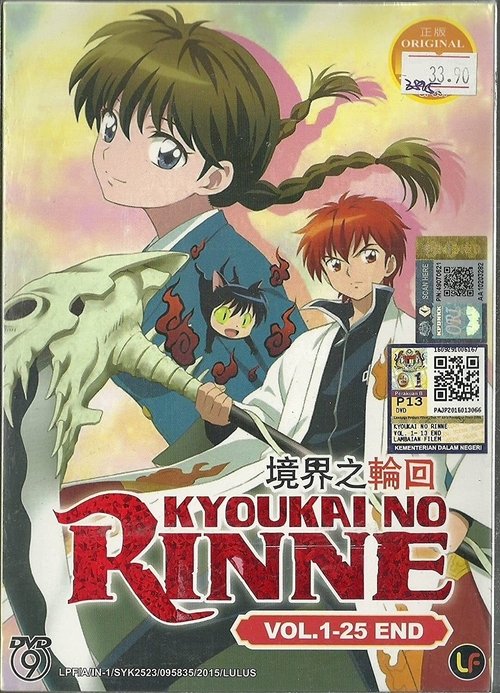
The story begins with Sakura Miku, a high school girl who has the ability to see spirits. One day, she encounters a spirit named Rinne Rokudo, who is a shinigami, or death god. Rinne is tasked with guiding souls to the afterlife, but he struggles with his duties due to his family's financial issues. He often has to rely on his grandfather's old tools and his own meager resources to perform his job.
In the first episode, Rinne is introduced as a somewhat lazy and reluctant shinigami. He meets Sakura when she accidentally gets involved in one of his spirit-reaping missions. Rinne is initially annoyed by her presence but soon realizes that her ability to see spirits can be useful. They work together to help a lost spirit find peace, showcasing Rinne's skills and Sakura's determination to assist him.
As the episodes progress, Rinne faces various challenges, including encounters with other shinigami, such as his rival, the flamboyant and over-the-top shinigami, Ageha. Ageha is confident and often tries to outshine Rinne, leading to comedic confrontations. Rinne's internal struggle with his responsibilities and his desire to help spirits is highlighted, especially when he encounters spirits that are reluctant to move on.
In another episode, Rinne and Sakura deal with a spirit who is attached to a cursed item. They must find a way to break the curse while also dealing with the spirit's emotional ties to the item. This situation deepens their bond as they learn more about each other's motivations and backgrounds. Rinne's determination to help the spirits contrasts with his own struggles, revealing his compassionate nature.
The series also explores Rinne's family background, particularly his relationship with his grandmother, who is a powerful shinigami. She often criticizes Rinne for not living up to his potential, adding pressure to his already challenging life. Rinne's feelings of inadequacy and his desire to prove himself become a recurring theme throughout the season.
As the season progresses, Rinne and Sakura encounter various spirits, each with their own stories and unresolved issues. They help a spirit who is stuck in a time loop, reliving the same day over and over. Rinne's cleverness and Sakura's empathy shine as they work together to break the cycle, showcasing their growing partnership.
In a pivotal episode, Rinne faces a powerful spirit that threatens to disrupt the balance between the living and the dead. This spirit is particularly vengeful and poses a significant challenge for Rinne. He must gather his courage and rely on Sakura's support to confront this spirit. The confrontation is intense, with Rinne using all his skills and tools to subdue the spirit while Sakura provides emotional support, highlighting their teamwork.
The season also delves into Rinne's financial struggles, as he often has to find ways to earn money to maintain his shinigami tools. He takes on odd jobs, which leads to humorous situations and further character development. Rinne's resourcefulness and determination to fulfill his duties despite his circumstances are emphasized.
In the final episodes, Rinne and Sakura face a climactic challenge involving a spirit that has the power to manipulate time. This spirit creates chaos, forcing Rinne to confront his fears and insecurities. The battle is intense, with Rinne and Sakura working together to outsmart the spirit. Their bond is tested, but ultimately, they succeed in helping the spirit find peace, solidifying their partnership.
The season concludes with Rinne reflecting on his journey and the growth he has experienced alongside Sakura. Their relationship has deepened, and Rinne begins to accept his role as a shinigami with renewed determination. The final scenes hint at future adventures and challenges, leaving the door open for further development in their story.
Related Titles
Browse All Titles →






What is the ending?
In the final episode of "Rin-ne," season 1, Rinne and Sakura face various challenges as they navigate the complexities of the spirit world and their own feelings for each other. The episode culminates in a confrontation with a powerful spirit, leading to a resolution that reinforces their bond and sets the stage for future adventures.
As the episode begins, Rinne is approached by a spirit that has been causing trouble in the human world. This spirit, a mischievous and somewhat malevolent entity, has been stealing the souls of unsuspecting humans. Rinne, with his duty as a shinigami, feels compelled to intervene. He is determined to protect the living and ensure that the spirits find peace.
Sakura, who has been increasingly involved in Rinne's world, decides to help him. Her determination to assist Rinne stems from her growing feelings for him and her desire to understand the spirit world better. Together, they devise a plan to confront the troublesome spirit. Rinne's internal struggle is evident; he grapples with the weight of his responsibilities as a shinigami while also wanting to protect Sakura from the dangers that come with their encounters.
As they track down the spirit, they encounter various obstacles, including other spirits that are drawn to the chaos. Rinne's abilities are put to the test, and he must rely on his wits and the support of Sakura. The emotional stakes rise as they face the spirit, which reveals its tragic backstory, adding depth to the conflict. Rinne's empathy shines through as he tries to reason with the spirit, showcasing his character's growth and understanding of the complexities of life and death.
In the climax of the episode, Rinne and Sakura work together to subdue the spirit. Their teamwork is a testament to their developing relationship, and it highlights the importance of collaboration in overcoming challenges. The spirit, once confronted with its past, begins to find peace, and Rinne successfully guides it to the afterlife.
As the episode draws to a close, Rinne and Sakura reflect on their experiences. Rinne's demeanor softens as he acknowledges Sakura's bravery and support. They share a moment of connection, hinting at the potential for a deeper relationship. The episode ends with a sense of hope and the promise of more adventures to come, as Rinne continues his duties as a shinigami, with Sakura by his side.
In summary, the ending of "Rin-ne," season 1, encapsulates the themes of friendship, responsibility, and the journey of understanding one's emotions. Rinne remains committed to his role, while Sakura's involvement signifies her acceptance of the spirit world and her feelings for Rinne. The episode concludes with a sense of resolution, yet leaves the door open for future developments in their relationship and the challenges they will face together.
Is there a post-credit scene?
In "Rin-ne," season 1, there are no post-credit scenes. The episodes conclude without any additional content after the credits roll. Each episode wraps up its storyline, focusing on the adventures and challenges faced by Rinne Rokudo, a high school student who is also a shinigami, and his interactions with his classmates, particularly Sakura Miku, who can see spirits. The series maintains a light-hearted tone throughout, with each episode presenting a self-contained narrative that explores themes of life, death, and the supernatural, but it does not include any post-credit sequences to further the plot or character development.
What is the relationship between Rinne and Sakura?
Rinne Rokudo and Sakura Miku share a complex relationship that evolves throughout the series. Rinne, a shinigami (death god), is often reluctant to embrace his duties, while Sakura, a human with the ability to see spirits, becomes increasingly involved in Rinne's world. Their interactions are marked by a blend of comedic misunderstandings and genuine concern for each other's well-being. Sakura's determination to help lost spirits often puts her in danger, which causes Rinne to feel protective of her, despite his often aloof demeanor.
How does Rinne's family background affect his character?
Rinne's family background plays a significant role in shaping his character. He is the son of a powerful shinigami, but he struggles with the expectations placed upon him. His father, who is often absent, represents a legacy that Rinne feels he cannot live up to. This creates a sense of insecurity and a desire to forge his own path, leading him to often act against his family's traditional values. Rinne's internal conflict between fulfilling his duties as a shinigami and his desire for a normal life is a recurring theme in the series.
What are the main challenges Rinne faces in his role as a shinigami?
Throughout Season 1, Rinne faces numerous challenges in his role as a shinigami. He often encounters spirits that are reluctant to move on, requiring him to use his skills to help them find peace. Additionally, Rinne struggles with his own powers, which are often unreliable due to his lack of training and the influence of his family's legacy. Financial difficulties also plague him, as he must balance his shinigami duties with the need to earn a living, leading to humorous situations where he must take on odd jobs.
What is the significance of the shinigami tools Rinne uses?
Rinne utilizes various shinigami tools, such as the 'shinigami's scythe' and 'spirit cards,' which are essential for his work in guiding spirits. The scythe symbolizes his role in the afterlife, while the spirit cards are used to help him manage and communicate with the spirits he encounters. These tools not only serve practical purposes but also reflect Rinne's growth as a shinigami. As he learns to use them more effectively, they become a representation of his increasing confidence and competence in his role.
How does Sakura's ability to see spirits impact her life and her relationship with Rinne?
Sakura's ability to see spirits significantly impacts her daily life and her relationship with Rinne. It isolates her from her peers, as they cannot understand her experiences, leading to feelings of loneliness. However, this ability also draws her closer to Rinne, as she becomes an integral part of his shinigami duties. Her compassion for the spirits and her determination to help them often put her in perilous situations, which in turn deepens Rinne's protective instincts towards her. Their bond grows stronger as they navigate the challenges posed by her unique ability.
Is this family friendly?
"Rin-ne," season 1, is generally considered family-friendly, but there are a few elements that might be potentially objectionable or upsetting for children or sensitive viewers.
-
Supernatural Themes: The show revolves around the afterlife, spirits, and the concept of reincarnation, which may be confusing or unsettling for younger viewers.
-
Ghosts and Spirits: There are various ghostly characters and scenes that may be frightening, particularly for children who are sensitive to supernatural imagery.
-
Mild Violence: Some scenes involve light-hearted battles with spirits or supernatural beings, which may include slapstick violence but is not graphic.
-
Emotional Themes: Characters deal with themes of loss and the afterlife, which could evoke sadness or discomfort in sensitive viewers.
-
Humor: The show contains some humor that may not resonate with all audiences, including jokes about death and the afterlife that could be seen as inappropriate for younger children.
Overall, while "Rin-ne" is suitable for a family audience, parental discretion is advised for younger viewers or those who may be sensitive to the themes presented.