
















Popular
What are Iruma's feelings about being in the demon world?
How does Iruma's relationship with Asmodeus develop throughout the series?
What challenges does Iruma face during the Harvest Festival?
What role does Clara play in Iruma's life at school?
How does Iruma's secret of being human affect his interactions with other characters?
Should I watch it?
Ask Your Own Question

What is the plot?
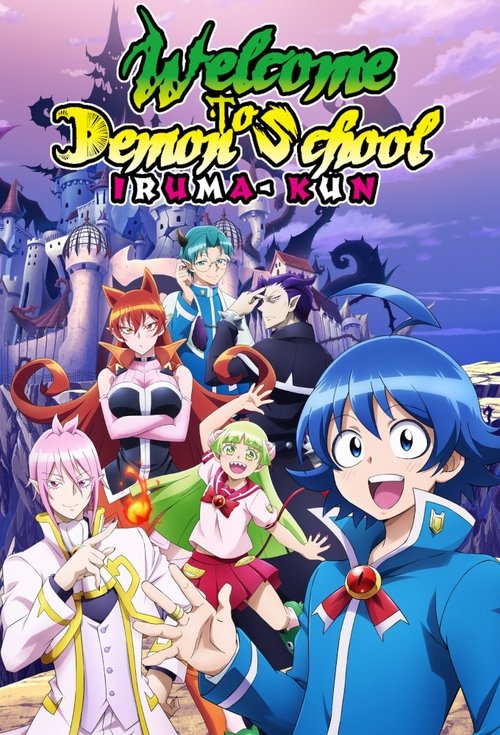
Iruma Suzuki, a human boy, is sold by his irresponsible parents to a demon named Sullivan. Sullivan, who is the headmaster of Babyls, a school for young demons, adopts Iruma as his grandson. Iruma is initially terrified of his new life in the demon world but soon learns that Sullivan is kind and wants to protect him. Sullivan enrolls Iruma in Babyls, where he must navigate the challenges of being the only human among demons.
On his first day at Babyls, Iruma meets his classmates, including the energetic and friendly Clara Valac and the aloof but powerful Asmodeus Alice. Iruma quickly realizes that he must keep his human identity a secret to avoid being targeted by the other students. During the entrance ceremony, Iruma is introduced to the school's unique culture, which includes various magical abilities and the competitive nature of demon students.
As the school year progresses, Iruma faces various challenges, including the first major event, the "Demon Trials." During this event, students must demonstrate their abilities in a series of tests. Iruma, despite being a human, impresses his classmates with his resourcefulness and luck, managing to pass the trials without revealing his true identity. His bond with Clara and Alice deepens as they work together to overcome obstacles.
Iruma's life takes a turn when he is invited to join the "Student Council," led by the charismatic and powerful demon, Amerhauser. The council is responsible for maintaining order and organizing events at the school. Iruma's involvement with the council exposes him to more of the demon world and its politics. He learns about the importance of reputation and power among demons, which contrasts sharply with his humble human upbringing.
As Iruma continues to adapt to his new life, he faces the "Cultural Festival," a significant event where students showcase their talents. Iruma's class decides to put on a play, and he takes on the role of the lead character. The preparation for the festival brings the class closer together, but tensions arise as they struggle to balance their individual strengths and weaknesses. Iruma's leadership skills begin to shine as he encourages his classmates to work together.
During the festival, Iruma's performance is a success, but it is interrupted by a rival class led by the ambitious demon, Kalego. The rivalry escalates into a competition, and Iruma must think quickly to save the day. He uses his unique abilities to turn the tide in favor of his class, showcasing his growth and adaptability in the demon world.
As the school year progresses, Iruma encounters various other characters, including the enigmatic demon, Opera, who serves as Sullivan's assistant. Opera reveals more about the demon world and its history, deepening Iruma's understanding of the challenges he faces. Iruma also learns about the "Demon King," a powerful figure that looms over the school and the demon society.
The climax of the season occurs during the "Demon King Festival," a grand event that tests the students' abilities and teamwork. Iruma and his friends must face off against powerful opponents, including a formidable demon named Sabnock Sabro. The battles are intense, with each character showcasing their unique abilities and growth throughout the season. Iruma's cleverness and determination shine as he strategizes to help his friends succeed.
In the final moments of the festival, Iruma confronts his fears and embraces his role in the demon world. He realizes that he has formed strong bonds with his classmates and that he is no longer just a human among demons but a valued member of their community. The season concludes with Iruma reflecting on his journey, feeling a sense of belonging and purpose in his new life.
More TV Shows Like This
Browse All TV Shows →


What is the ending?
In the ending of "Welcome to Demon School! Iruma-kun," Iruma Suzuki faces the final challenge of the Harvest Festival, where he and his friends must work together to overcome various obstacles. The climax reveals the strength of their bonds and the growth of each character. Ultimately, Iruma's kindness and determination shine through, leading to a successful outcome for his team. The story concludes with a sense of camaraderie and the promise of new adventures ahead.
As the final arc of "Welcome to Demon School! Iruma-kun" unfolds, the atmosphere is charged with excitement and tension as the Harvest Festival approaches. The festival is a significant event in the demon world, where students compete in various challenges to showcase their abilities and earn prestige for their schools. Iruma, who has grown significantly since his arrival in the demon realm, is now a beloved figure among his classmates, particularly in the Babyls school.
Scene 1: The Preparation The episode opens with Iruma and his friends--Asmodeus, Clara, and the rest of the Misfit Class--preparing for the Harvest Festival. The vibrant colors of the festival decorations fill the air with a sense of anticipation. Iruma, despite his usual self-doubt, feels a surge of determination as he reflects on how far he has come. His friends rally around him, each showcasing their unique talents and quirks, which adds to the lively atmosphere. Clara's playful antics and Asmodeus's confident demeanor highlight the strong bonds they have formed.
Scene 2: The Challenges Begin As the festival kicks off, the Misfit Class faces a series of challenges that test their teamwork and individual skills. The first challenge involves navigating a treacherous maze filled with magical traps. Iruma, using his quick thinking and resourcefulness, leads the group through the maze, demonstrating his growth as a leader. The tension rises as they encounter obstacles, but the camaraderie among the group shines through as they support one another, showcasing their unique abilities.
Scene 3: The Climax The climax of the festival arrives with the final challenge, a battle against a powerful opponent. The stakes are high, and the pressure mounts as Iruma and his friends strategize to overcome their adversary. Iruma's internal struggle is palpable; he grapples with the fear of failure but is motivated by the desire to protect his friends. As the battle unfolds, each character plays a crucial role, highlighting their development throughout the series. Asmodeus unleashes his formidable powers, while Clara uses her creativity to turn the tide in their favor.
Scene 4: The Resolution In a climactic moment, Iruma taps into his hidden potential, channeling his determination and the support of his friends. The battle culminates in a spectacular display of teamwork, and they emerge victorious. The crowd erupts in cheers, celebrating their triumph. Iruma's heart swells with pride and gratitude as he realizes the importance of friendship and the strength they have found in one another.
Scene 5: The Aftermath As the festival concludes, the characters reflect on their experiences. Iruma, now more confident and self-assured, embraces his role in the demon world. His friends express their admiration for him, solidifying their bond. The episode ends on a hopeful note, with Iruma looking forward to new adventures and challenges, surrounded by the friends who have become his family.
In the end, Iruma, Asmodeus, Clara, and the rest of the Misfit Class emerge not only as champions of the Harvest Festival but also as individuals who have grown through their experiences. Each character's journey is marked by personal growth, and the story closes with a sense of unity and the promise of future adventures in the demon realm.
Who dies?
Is there a post-credit scene?
In "Welcome to Demon School! Iruma-kun," there is indeed a post-credit scene that adds a humorous touch to the overall narrative. After the main credits roll, viewers are treated to a brief moment featuring Iruma Suzuki and his friends.
In this scene, Iruma is seen in a light-hearted situation, often involving his friends, such as Clara and Azz, who are typically engaged in some playful antics. The atmosphere is filled with laughter and camaraderie, showcasing the strong bonds that have formed among the characters throughout their adventures in the demon school.
The post-credit scene serves to reinforce the themes of friendship and acceptance that are central to the series, leaving viewers with a warm feeling as they see Iruma, who initially struggled with his new life in the demon world, now surrounded by friends who genuinely care for him. This moment encapsulates the growth of Iruma's character and the joy he has found in his new life, contrasting sharply with his earlier feelings of isolation and fear.
Overall, the post-credit scene is a delightful addition that emphasizes the light-hearted and comedic tone of the series while providing a satisfying conclusion to the episode.
What are Iruma's feelings about being in the demon world?
Iruma Suzuki, the protagonist, initially feels overwhelmed and anxious about being in the demon world, especially since he is a human among demons. His internal conflict is palpable as he grapples with the fear of being discovered and the pressure to fit in. However, as he navigates his new life at Babyls, he begins to find joy in his friendships and the experiences he gains, leading to a sense of belonging.
How does Iruma's relationship with Asmodeus develop throughout the series?
Iruma's relationship with Asmodeus, who initially sees him as a rival, evolves significantly. Asmodeus starts off as a proud and powerful demon, but as he gets to know Iruma, he becomes fiercely loyal and protective of him. Their bond deepens through shared experiences, particularly during challenges and competitions, showcasing a blend of rivalry and camaraderie that highlights their growth as characters.
What challenges does Iruma face during the Harvest Festival?
During the Harvest Festival, Iruma faces numerous challenges that test his abilities and resolve. He must navigate the competitive atmosphere filled with various demon students, each with their own unique powers. Iruma's strategic thinking and quick adaptability come into play as he encounters unexpected obstacles, including powerful opponents and the pressure to perform well for his friends and classmates.
What role does Clara play in Iruma's life at school?
Clara Valac plays a significant role in Iruma's life at Babyls, serving as both a source of comic relief and emotional support. Her energetic and mischievous personality often leads to chaotic situations, but she also demonstrates a deep loyalty to Iruma. Clara's affection for him is evident, and her antics often help Iruma break out of his shell, allowing him to embrace his new life more fully.
How does Iruma's secret of being human affect his interactions with other characters?
Iruma's secret of being human creates a constant tension in his interactions with other characters. He must carefully navigate friendships and rivalries, always aware that revealing his true identity could lead to dire consequences. This secret shapes his relationships, particularly with characters like Asmodeus and Clara, who are drawn to his kindness and unique perspective, while also adding layers of complexity to his social dynamics within the demon world.
Is this family friendly?
"Welcome to Demon School! Iruma-kun" is generally considered family-friendly, but it does contain some elements that may be sensitive for children or more sensitive viewers. Here are a few aspects to be aware of:
-
Demon Themes: The show features demons and supernatural elements, which may be unsettling for some younger viewers. The portrayal of demons is often humorous, but the concept of a demon school might be confusing or frightening for very young children.
-
Mild Violence: There are scenes of magical duels and competitions that involve mild violence, such as characters being knocked out or transformed. While not graphic, the action can be intense.
-
Bullying and Rivalry: Some characters experience bullying or rivalry, which may resonate with children who have faced similar issues. The emotional impact of these interactions can be significant.
-
Innuendos and Humor: The show includes some light innuendos and suggestive humor that may not be suitable for all audiences, though it is generally presented in a comedic and non-explicit manner.
-
Character Fears and Insecurities: Characters often face their fears and insecurities, which can lead to emotional moments. While these themes are handled with care, they may evoke strong feelings in sensitive viewers.
Overall, while "Welcome to Demon School! Iruma-kun" is entertaining and light-hearted, parents may want to preview episodes to determine their appropriateness for younger audiences.