

















Popular
What challenges does Sarasa Watanabe face in her journey to become a top star?
How does Ai Narada's background influence her character development?
What is the significance of the rivalry between Sarasa and Ai?
How does the theme of friendship manifest in the relationships among the students?
What role does the Kouka School play in shaping the characters' futures?
Should I watch it?
Ask Your Own Question

What is the plot?
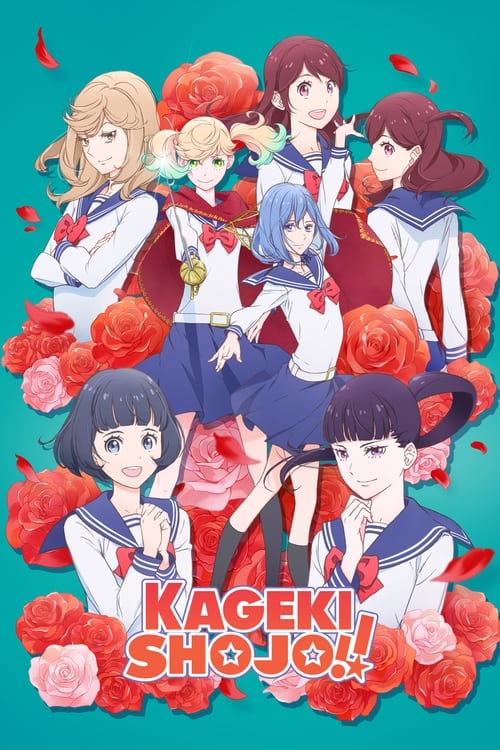
The story begins with Sarasa Watanabe, a bright and enthusiastic girl who dreams of becoming a top star in the world of Takarazuka-style theater. She is accepted into the prestigious Kouka School of Musical and Theatrical Arts, where she hopes to hone her skills. Sarasa is determined and passionate, often daydreaming about her future performances. Her excitement is palpable as she arrives at the school, ready to embrace the challenges ahead.
Upon her arrival, Sarasa meets her classmates, including the aloof and talented Ai Narada. Ai is a former child star who has a more cynical view of the theater world, shaped by her past experiences. The two girls have contrasting personalities, with Sarasa's optimism clashing with Ai's guarded demeanor. Despite their differences, Sarasa is drawn to Ai and admires her talent, hoping to learn from her.
As the students begin their training, they face rigorous schedules and demanding instructors. Sarasa struggles with the physical and emotional challenges of the program, but her determination keeps her going. She forms friendships with her classmates, including the cheerful and supportive Shiori and the serious but kind-hearted Kaho. Together, they navigate the ups and downs of their training, sharing moments of joy and frustration.
The first major performance opportunity arises when the school announces auditions for a production. Sarasa is eager to showcase her abilities, but she quickly realizes that the competition is fierce. Ai, who initially seems indifferent, surprises everyone with her exceptional talent during the auditions. Sarasa feels both inspired and intimidated by Ai's performance, leading her to question her own abilities.
As the auditions progress, Sarasa faces setbacks, including a disappointing rehearsal where she struggles to keep up with her peers. This moment of vulnerability leads her to reflect on her motivations and the reasons she wants to succeed in theater. She resolves to push through her insecurities and work harder, determined to prove herself.
The school holds a special event where students can showcase their talents in front of an audience. Sarasa decides to perform a solo piece, pouring her heart into the performance. The audience is captivated, and Sarasa receives praise from her instructors and classmates. This moment boosts her confidence and solidifies her desire to pursue her dreams in theater.
Meanwhile, Ai grapples with her own internal conflicts. She is haunted by her past as a child star and the pressure that comes with it. Despite her talent, she struggles with the fear of failure and the expectations placed upon her. This emotional turmoil leads to a pivotal moment where Ai nearly quits the program, feeling overwhelmed by the weight of her past.
Sarasa, noticing Ai's distress, reaches out to her, offering support and encouragement. This act of kindness helps Ai confront her fears and ultimately decide to stay in the program. Their bond deepens as they begin to understand each other's struggles, and they become more supportive of one another.
As the school year progresses, the students are assigned to various roles in upcoming productions. Sarasa is thrilled to be cast in a leading role, while Ai is given a supporting character. The two girls work closely together, and their friendship grows stronger as they share the joys and challenges of preparing for the performances.
However, tensions arise when a rival student, who feels threatened by Sarasa's talent, begins to undermine her confidence. This rivalry culminates in a confrontation during a rehearsal, where Sarasa's determination is put to the test. She stands her ground, refusing to let the negativity affect her performance. This moment of resilience earns her respect from her peers and solidifies her place in the production.
As the opening night approaches, the pressure intensifies. Sarasa and Ai both experience moments of self-doubt, but they lean on each other for support. The night of the performance arrives, and the atmosphere is electric with anticipation. Sarasa takes the stage, delivering a powerful performance that showcases her growth and dedication.
The production is a success, and the audience is moved by the emotional depth of the performances. Sarasa receives accolades for her portrayal, and Ai also shines in her role, proving her talent to herself and others. The experience strengthens their friendship and reinforces their commitment to their dreams in theater.
In the aftermath of the performance, Sarasa and Ai reflect on their journey and the challenges they have overcome. They realize that their experiences have shaped them not only as performers but also as individuals. The story concludes with a sense of hope and determination as they look forward to their future in the world of theater, ready to face whatever challenges lie ahead.
More TV Shows Like This
Browse All TV Shows →








What is the ending?
In the ending of Kageki Shojo!!, the students of the Kouka School of Musical and Theatrical Arts prepare for their final performance, showcasing their growth and the culmination of their training. Ai Narada and her classmates face their fears and insecurities, ultimately finding their place on stage. The story concludes with a powerful performance that highlights their individual journeys and the bonds they have formed.
As the final episodes unfold, the atmosphere is charged with anticipation as the students of the Kouka School prepare for their graduation performance. The stage is set, and the air is thick with excitement and anxiety. Ai Narada, who has struggled with her self-worth and the shadow of her past, stands backstage, her heart racing. She reflects on her journey, the friendships she has forged, and the challenges she has overcome. The weight of her insecurities looms over her, but she is determined to shine.
The scene shifts to the auditorium, where the audience buzzes with anticipation. The lights dim, and the curtain rises, revealing the vibrant set. The performance begins, and the students pour their hearts into their roles. Ai takes center stage, embodying her character with a raw intensity that captivates the audience. Her performance is a testament to her growth, showcasing her ability to channel her emotions into her art.
As the performance progresses, we see glimpses of her classmates, each facing their own struggles and triumphs. The camera captures the expressions of determination and joy on their faces as they embrace their roles. Among them is Sarasa Watanabe, who has always been a source of inspiration for Ai. Sarasa's infectious enthusiasm and unwavering support have helped Ai find her voice, and now, as they perform together, their bond is palpable.
The climax of the performance arrives, and the students deliver a powerful ensemble piece that resonates with the audience. The choreography is intricate, and the music swells, creating an emotional crescendo. Ai, now fully immersed in her character, feels a sense of liberation as she lets go of her fears. The audience is entranced, and the applause that follows is thunderous.
After the performance, the students gather backstage, their faces flushed with exhilaration. They share hugs and laughter, celebrating their hard work and the friendships they have built. Ai, overwhelmed with emotion, realizes that she has finally found her place among them. The support of her classmates has helped her overcome her insecurities, and she feels a sense of belonging.
In the final moments, the students reflect on their journey and the future that lies ahead. They express their hopes and dreams, vowing to continue pursuing their passion for the performing arts. Ai, now filled with confidence, looks forward to the next chapter of her life, ready to embrace whatever comes her way.
As the credits roll, the audience is left with a sense of hope and inspiration, witnessing the transformative power of friendship, perseverance, and the pursuit of one's dreams. Each character has grown in their own way, and the bonds they have formed will carry them forward into their futures.
Is there a post-credit scene?
In the anime "Kageki Shojo!!," there is no post-credit scene following the episodes. The series focuses on the journey of the main characters, particularly Sarasa Watanabe and Ai Narada, as they navigate their training at the Kouka School of Musical and Theatrical Arts. The narrative concludes with the characters reflecting on their growth and aspirations, but it does not include any additional scenes or content after the credits. The emphasis remains on their development and the challenges they face in the world of theater, leaving viewers with a sense of closure regarding their stories.
What challenges does Sarasa Watanabe face in her journey to become a top star?
Sarasa Watanabe, a passionate and determined girl, faces numerous challenges in her journey to become a top star at the Kouka School of Musical and Theatrical Arts. Initially, she struggles with her self-image and the pressure to conform to the expectations of the prestigious school. Sarasa's unique approach to acting, inspired by her love for the traditional art of Takarazuka, often puts her at odds with her peers and instructors. She grapples with feelings of inadequacy, especially when compared to her talented classmates, and must learn to balance her individuality with the demands of the rigorous training. Her emotional journey is marked by moments of self-doubt, but also by her unwavering passion for performance, which ultimately drives her to overcome obstacles.
How does Ai Narada's background influence her character development?
Ai Narada's character is deeply influenced by her background as a former child star who experienced the harsh realities of the entertainment industry at a young age. This past shapes her personality, making her initially cold and distant towards others, as she struggles with trust and vulnerability. Her experiences lead her to adopt a pragmatic approach to her ambitions, often prioritizing success over personal connections. As the story progresses, Ai's interactions with Sarasa and other classmates challenge her emotional barriers, prompting her to confront her fears and insecurities. This internal conflict drives her character development, as she learns to embrace her emotions and the importance of friendship, ultimately leading to a more open and supportive demeanor.
What is the significance of the rivalry between Sarasa and Ai?
The rivalry between Sarasa Watanabe and Ai Narada serves as a central plot element that highlights their contrasting personalities and approaches to performance. Sarasa embodies a free-spirited and passionate attitude, while Ai represents a more calculated and disciplined mindset. Their rivalry is fueled by their differing motivations: Sarasa seeks to express herself and connect with the audience, while Ai is driven by the desire for recognition and success. This tension creates a dynamic that pushes both characters to grow; Sarasa learns the value of discipline and focus, while Ai begins to appreciate the emotional depth of performance. Their rivalry ultimately evolves into a complex relationship that blends competition with mutual respect, showcasing the transformative power of their experiences at Kouka.
How does the theme of friendship manifest in the relationships among the students?
Friendship is a recurring theme in 'Kageki Shojo!!', manifesting through the relationships among the students at Kouka School. The bonds formed between characters like Sarasa, Ai, and their classmates are tested through various trials, including intense training, personal struggles, and the pressures of the theater world. These friendships provide emotional support, allowing characters to confront their fears and insecurities. For instance, Sarasa's unwavering encouragement helps Ai to open up, while Ai's pragmatic advice aids Sarasa in honing her skills. The series illustrates how these friendships evolve, showcasing moments of conflict, reconciliation, and growth, ultimately emphasizing the importance of camaraderie in overcoming challenges and achieving their dreams.
What role does the Kouka School play in shaping the characters' futures?
The Kouka School of Musical and Theatrical Arts plays a pivotal role in shaping the futures of its students, serving as both a training ground and a crucible for personal growth. The rigorous curriculum and competitive environment push characters like Sarasa and Ai to confront their limitations and strive for excellence. The school's emphasis on discipline, artistry, and teamwork fosters a sense of community among the students, while also highlighting the harsh realities of the entertainment industry. As they navigate the challenges of auditions, performances, and interpersonal dynamics, the characters learn valuable lessons about resilience, ambition, and the importance of pursuing their passions. The experiences at Kouka ultimately prepare them for their future careers in theater, influencing their paths and aspirations in profound ways.
Is this family friendly?
"Kageki Shojo!!" is generally considered family-friendly, but it does contain some themes and scenes that may be sensitive for children or those who are particularly sensitive. Here are a few aspects to be aware of:
-
Mental Health Struggles: Characters deal with issues such as anxiety, depression, and the pressure of performance, which may resonate deeply with some viewers.
-
Bullying and Rivalry: There are instances of bullying and intense rivalry among the students, which can be upsetting to watch.
-
Emotional Trauma: Some characters have backstories that involve trauma or difficult family dynamics, which may be distressing.
-
Discussion of Self-Worth: The show explores themes of self-worth and identity, which can lead to emotional moments that might be heavy for younger viewers.
-
Intense Competition: The competitive nature of the performing arts can lead to high-stress situations, which may be intense for some audiences.
While these elements are handled with care and contribute to character development, they may still be challenging for younger viewers or those sensitive to such topics.









