




















































































Popular
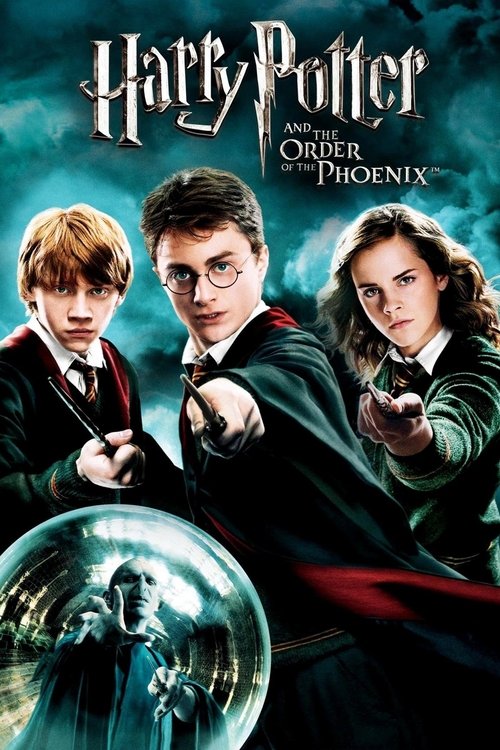
What role does Dolores Umbridge play in Harry Potter and the Order of the Phoenix?
How does Harry's relationship with Sirius Black evolve in this film?
What is the significance of the prophecy regarding Harry and Voldemort?
How does the formation of Dumbledore's Army impact the students at Hogwarts?
What is the significance of the battle at the Department of Mysteries?
Should I watch it?
Ask Your Own Question

What is the plot?
Sorry, we aren't able to watch and write up a full detailed plot yet. Check back in a few days.
More Movies Like This
Browse All Movies →



What is the ending?
In the ending of "Harry Potter and the Order of the Phoenix," Harry and his friends face off against Death Eaters at the Ministry of Magic. After a fierce battle, Sirius Black is killed by Bellatrix Lestrange, leaving Harry devastated. The Order of the Phoenix arrives to help, and they manage to fend off the Death Eaters. In the aftermath, Dumbledore reveals to Harry the importance of love and sacrifice in the fight against Voldemort. The film concludes with Harry returning to the Dursleys, feeling a mix of grief and determination.
Now, let's delve into the ending in a more detailed, chronological narrative.
As the climactic battle unfolds in the Ministry of Magic, Harry, Hermione, Ron, and a few members of the Order of the Phoenix confront the Death Eaters in the Department of Mysteries. The atmosphere is charged with tension and fear as they navigate the dark, echoing halls filled with mysterious artifacts. The group is determined to rescue Sirius Black, who has been captured by the Death Eaters.
The scene shifts to the Hall of Prophecies, where Harry and his friends find themselves surrounded by the swirling orbs that contain the fates of wizards. It is here that they encounter the Death Eaters, led by Lucius Malfoy and Bellatrix Lestrange. The confrontation escalates quickly, and a fierce duel breaks out. Spells fly through the air, illuminating the dark space with flashes of light. Harry's heart races as he fights alongside his friends, fueled by a mix of fear and the desire to save Sirius.
In the chaos, Harry's focus is solely on finding Sirius. He calls out for him, desperation lacing his voice. The battle intensifies, and the group is outnumbered. Just as hope seems to dwindle, Sirius appears, ready to fight alongside Harry. The bond between them is palpable; Sirius is not just a mentor but a father figure to Harry. However, the moment is tragically cut short when Bellatrix Lestrange, with a maniacal gleam in her eye, strikes Sirius with a curse that sends him through the veil in the Death Chamber. Time seems to freeze as Harry watches in horror, his heart shattering as he realizes he has lost Sirius forever. The emotional weight of this moment is profound, as Harry's grief and anger surge within him.
The battle continues, but the loss of Sirius weighs heavily on Harry. The Order members, including Remus Lupin and Nymphadora Tonks, arrive just in time to help turn the tide against the Death Eaters. The atmosphere is chaotic, filled with the sounds of spells and the cries of combatants. The Death Eaters, realizing they are outmatched, begin to retreat, but not without leaving a lasting impact on Harry.
Once the battle concludes, the aftermath is somber. Harry is left standing in the ruins of the Department of Mysteries, grappling with the reality of his loss. Dumbledore arrives, and the two share a poignant moment. Dumbledore explains the significance of love and sacrifice in the fight against Voldemort, emphasizing that these are the qualities that will ultimately lead to victory. Harry, still reeling from the pain of losing Sirius, feels a mix of anger and determination. He understands that the fight against Voldemort is far from over, and he must carry on, not just for himself but for those he has lost.
As the film draws to a close, Harry returns to the Dursleys, the weight of his grief evident in his demeanor. He is no longer the same boy who left for Hogwarts; he has been irrevocably changed by the events he has experienced. The final scene captures Harry's resolve as he looks out into the distance, a flicker of determination igniting within him. He knows that he must prepare for the battles ahead, not just for himself, but for the memory of Sirius and all those who have fought against the darkness.
In summary, the fates of the main characters at the end of the film are as follows: Harry is left to grapple with the loss of Sirius, feeling a deep sense of grief but also a newfound determination. Hermione and Ron stand by his side, supporting him through his pain. Dumbledore remains a guiding figure, imparting wisdom about love and sacrifice. The Death Eaters, though temporarily defeated, remain a looming threat, signaling that the conflict with Voldemort is far from over. The film closes on a note of both sorrow and resilience, setting the stage for the challenges that lie ahead.
Is there a post-credit scene?
In the movie "Harry Potter and the Order of the Phoenix," there is no post-credit scene. The film concludes with the final scenes showing Harry and his friends reflecting on their experiences and the challenges ahead, particularly in light of the return of Voldemort. The focus is on the emotional weight of their journey and the bonds of friendship that have been strengthened through adversity. As the credits roll, the audience is left with a sense of anticipation for the battles to come, but there are no additional scenes or content after the credits.
What role does Dolores Umbridge play in Harry Potter and the Order of the Phoenix?
Dolores Umbridge, played by Imelda Staunton, is introduced as the new Defense Against the Dark Arts teacher at Hogwarts and later becomes the Hogwarts High Inquisitor. She embodies the Ministry of Magic's oppressive regime, enforcing strict rules and punishing students and staff who oppose her. Her sadistic nature is evident as she uses her authority to undermine Dumbledore and Harry, leading to a climate of fear and control within the school.
How does Harry's relationship with Sirius Black evolve in this film?
In 'Order of the Phoenix', Harry's relationship with Sirius Black deepens as Sirius becomes a father figure to him. Harry seeks guidance and support from Sirius, especially as he grapples with the return of Voldemort and the burden of prophecy. Their bond is highlighted during their conversations in the Grimmauld Place, where Sirius encourages Harry to embrace his role in the fight against darkness. Tragically, their relationship is cut short when Sirius is killed during the battle at the Ministry of Magic, leaving Harry devastated and filled with guilt.
What is the significance of the prophecy regarding Harry and Voldemort?
The prophecy, revealed in the Department of Mysteries, states that Harry and Voldemort are connected in a unique way; neither can live while the other survives. This revelation weighs heavily on Harry, as it implies that he is destined to confront Voldemort. The knowledge of the prophecy fuels Harry's determination to fight against Voldemort, but it also instills a sense of dread and responsibility, as he realizes the stakes of their conflict.
How does the formation of Dumbledore's Army impact the students at Hogwarts?
Dumbledore's Army, formed by Harry, Hermione, and Ron, serves as a response to Umbridge's oppressive regime and her refusal to teach practical Defense Against the Dark Arts. The group fosters a sense of camaraderie and empowerment among the students, allowing them to take control of their education and prepare for the dangers they face. The secret meetings in the Room of Requirement become a safe haven for students to learn and bond, highlighting themes of resistance and unity against tyranny.
What is the significance of the battle at the Department of Mysteries?
The battle at the Department of Mysteries is a pivotal moment in 'Order of the Phoenix', showcasing the escalating conflict between the Order of the Phoenix and Voldemort's Death Eaters. It is a chaotic and intense confrontation that results in the loss of Sirius Black, profoundly affecting Harry and his friends. The battle serves as a harsh awakening to the realities of war, illustrating the dangers they face and the sacrifices required in the fight against evil.
Is this family friendly?
"Harry Potter and the Order of the Phoenix" is generally considered family-friendly, but it does contain some scenes and themes that may be objectionable or upsetting for children or sensitive viewers. Here are a few aspects to be aware of:
-
Dark Themes: The film delves into themes of loss, oppression, and the struggle against authoritarianism, which may be heavy for younger audiences.
-
Violence: There are several intense scenes involving magical duels and confrontations, including moments where characters are injured or threatened.
-
Death and Grief: The film touches on the impact of death and the emotional turmoil it brings, particularly in relation to the characters' experiences with loss.
-
Bullying and Abuse: The character of Dolores Umbridge represents a cruel authority figure who enforces strict and unfair rules, leading to scenes of emotional and psychological abuse.
-
Nightmares and Visions: Harry experiences disturbing visions and nightmares that can be unsettling, reflecting his internal struggles and fears.
-
Emotional Turmoil: Characters face significant emotional challenges, including feelings of isolation, anger, and betrayal, which may resonate deeply with sensitive viewers.
These elements contribute to a darker tone compared to earlier films in the series, so parental guidance may be advisable for younger children.









