




Popular
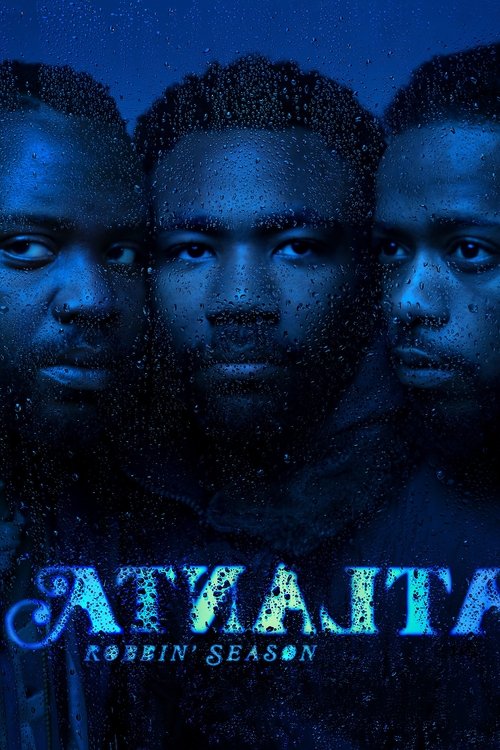
What happens to Earn and Alfred during the robbery at the restaurant in 'Robbin' Season'?
How does Darius's character develop in the episode 'Teddy Perkins'?
What is the significance of the character Teddy Perkins in the narrative?
How does the episode 'Money Bag Shawty' depict the relationship between Earn and Van?
What role does the character Alfred play in the episode 'Barbershop'?
Should I watch it?
Ask Your Own Question

What is the plot?
In the first episode of "Robbin' Season," titled "Alligator Man," we are introduced to a new character, a man named "The Alligator Man," who is seen in a series of vignettes. He is a homeless man who has a pet alligator and is trying to survive in the streets of Atlanta. The episode opens with Earn, who is struggling to make ends meet and is trying to get a loan from a bank. He is met with skepticism from the bank manager, who questions his financial stability. Earn's frustration grows as he realizes the challenges he faces in providing for his daughter.
Meanwhile, Alfred, also known as Paper Boi, is dealing with the pressures of newfound fame. He is approached by a group of fans who want to take pictures with him, but he feels uncomfortable with the attention. He is also trying to navigate his relationship with his cousin Earn, who is trying to manage his career. The tension between them is palpable as they both have different priorities and struggles.
The episode takes a darker turn when Earn and Alfred encounter a robbery in progress at a convenience store. They witness a man being held at gunpoint, and the situation escalates quickly. Earn's instinct is to help, but Alfred urges him to stay back. The robbery ends with the gunman fleeing the scene, leaving everyone shaken. This incident highlights the dangers of their environment and sets the tone for the season.
In the second episode, "Sportin' Waves," we see Earn trying to secure a new place to live. He visits a potential apartment but is met with a series of obstacles, including a demanding landlord. Meanwhile, Alfred is trying to maintain his image as a rapper while dealing with the pressures of the industry. He attends a party where he is confronted by a rival rapper, leading to a tense exchange. The rivalry escalates, and Alfred is forced to defend himself, showcasing the harsh realities of the music business.
The third episode, "Money Bag Shawty," focuses on Van, Earn's ex-girlfriend, who is trying to find her own identity. She attends a party where she meets a wealthy man who offers her a taste of luxury. Van is torn between her desire for a better life and her loyalty to Earn. The episode explores her internal conflict as she navigates her feelings for Earn and her aspirations.
In the fourth episode, "Helen," the group travels to a music festival. Tensions rise as they deal with the pressures of performing and the expectations placed on them. Alfred struggles with stage fright, while Earn tries to keep everything together. The festival serves as a backdrop for their personal struggles, and the pressure mounts as they face the reality of their choices.
The fifth episode, "Barbershop," takes place in a barbershop where the characters gather to discuss their lives and experiences. The conversations reveal their vulnerabilities and the challenges they face in their personal and professional lives. The barbershop serves as a microcosm of their struggles, highlighting the importance of community and support.
In the sixth episode, "Teddy Perkins," the story takes a surreal turn as Darius, Alfred's friend, encounters a mysterious man named Teddy Perkins. Teddy lives in a dilapidated mansion and has a strange obsession with his deceased brother. Darius is drawn into Teddy's world, leading to a series of unsettling events that challenge his perception of reality. The episode is filled with tension and suspense as Darius tries to navigate the bizarre situation.
The seventh episode, "Champagne Papi," focuses on Earn's attempts to reconnect with Van. He tries to impress her by throwing a lavish party, but things quickly spiral out of control. The party becomes a chaotic affair, filled with unexpected guests and confrontations. Earn's desire to win Van back leads to a series of missteps that ultimately push her further away.
In the eighth episode, "Woods," the group faces the consequences of their actions. They are forced to confront the reality of their choices and the impact it has on their lives. The episode explores themes of accountability and the struggle for redemption as they navigate their relationships and aspirations.
The season culminates in the final episode, "FUBU," where the characters are faced with a pivotal moment that will determine their futures. They must confront their past mistakes and make choices that will shape their paths moving forward. The episode is filled with emotional weight as they grapple with their identities and the consequences of their actions. The season ends on a note of uncertainty, leaving the characters' fates hanging in the balance.






What is the ending?
In the ending of "Atlanta" Season 2, titled "Robbin' Season," the episode culminates in a tense and surreal confrontation between Earn, Alfred, and a group of robbers. The season closes with a sense of uncertainty and unresolved tension, leaving the characters in precarious situations.
As the final episode unfolds, we find Earn, Alfred, and Darius in a dimly lit, upscale restaurant. The atmosphere is charged with anticipation as they await a meeting with a potential manager. The trio is dressed sharply, reflecting their aspirations and the importance of this moment. Earn, who has been striving to prove himself, is particularly anxious, his internal conflict evident as he juggles his ambitions with the pressures of his current financial instability.
The scene shifts to a group of robbers who are also in the restaurant, their presence looming ominously. The tension escalates when the robbers, masked and armed, begin to threaten the patrons. The camera captures the fear in the eyes of the diners, contrasting sharply with the earlier confidence of Earn and his friends. Alfred, known as Paper Boi, remains calm but alert, his instincts honed from street life. Darius, ever the philosophical observer, seems to take in the chaos with a detached curiosity.
As the robbers demand money and valuables, the atmosphere becomes increasingly fraught. Earn's mind races, filled with thoughts of survival and the implications of this violent encounter on their futures. He tries to maintain a sense of control, but the situation spirals quickly. The robbers' aggression escalates, and the tension reaches a breaking point when one of them begins to lash out, leading to a chaotic scramble for safety.
In the midst of the chaos, Alfred's protective instincts kick in. He attempts to shield Earn and Darius, showcasing his loyalty and the bond they share. The scene is visceral, with the sounds of panic and fear echoing throughout the restaurant. The camera captures the raw emotions of the characters, highlighting their vulnerability in the face of danger.
As the episode progresses, the robbers' desperation becomes palpable. They are not just criminals; they are individuals driven by their circumstances, reflecting the broader themes of survival and desperation that permeate the season. The characters' fates hang in the balance as the situation unfolds, with each decision carrying weighty consequences.
In the climax, a sudden turn of events leads to a confrontation that leaves the robbers scrambling. The chaos culminates in a moment of violence that is both shocking and impactful. The aftermath is a stark reminder of the fragility of life and the unpredictability of their world.
The episode concludes with the characters emerging from the ordeal, visibly shaken but alive. Earn, Alfred, and Darius share a moment of silent understanding, their bond strengthened by the harrowing experience. However, the uncertainty of their futures looms large, leaving viewers with lingering questions about their paths ahead.
In the final moments, the camera lingers on Earn's face, capturing a mix of relief and contemplation. The season ends without clear resolutions, emphasizing the ongoing struggles of the characters as they navigate a world fraught with danger and uncertainty. Each character's fate remains intertwined with the themes of survival, loyalty, and the harsh realities of their environment, leaving the audience to ponder the implications of their journey.
Is there a post-credit scene?
In the second season of "Atlanta," titled "Robbin' Season," there is no post-credit scene in any of the episodes. The season concludes with the final episode, "Crabs in a Barrel," which wraps up the storylines without any additional scenes after the credits. Each episode focuses on the characters' struggles and experiences in Atlanta, particularly during the chaotic and dangerous "robbin' season," but the format does not include post-credit content.
What happens to Earn and Alfred during the robbery at the restaurant in 'Robbin' Season'?
In the episode titled 'Robbin' Season', Earn and Alfred find themselves in a tense situation when they are at a restaurant. As they are enjoying their meal, a group of armed robbers enters the establishment, creating chaos. Earn's instinct is to protect Alfred, who is still trying to maintain his cool demeanor despite the escalating danger. The scene is filled with palpable tension as the robbers threaten the patrons, and Earn's internal conflict is evident as he grapples with his responsibility to keep Alfred safe while also trying to navigate the unpredictable situation.
How does Darius's character develop in the episode 'Teddy Perkins'?
In 'Teddy Perkins', Darius's character is explored deeply as he ventures to a mysterious mansion to pick up a piano for Alfred. His curiosity leads him into an unsettling encounter with Teddy Perkins, a reclusive and eccentric character. Darius's initial intrigue turns to discomfort as he realizes the dark undertones of Teddy's personality. The emotional weight of the scene is amplified by Darius's calm demeanor juxtaposed with the eerie atmosphere of the mansion, showcasing his ability to remain composed even in unsettling situations.
What is the significance of the character Teddy Perkins in the narrative?
Teddy Perkins serves as a complex figure in the narrative, representing themes of trauma and the burdens of fame. His interactions with Darius reveal layers of his character, as he oscillates between being charming and deeply unsettling. The significance of Teddy lies in his backstory, which is hinted at through his dialogue and the haunting environment of his home. This character adds a surreal quality to the episode, forcing viewers to confront the darker aspects of success and the personal demons that accompany it.
How does the episode 'Money Bag Shawty' depict the relationship between Earn and Van?
In 'Money Bag Shawty', the relationship between Earn and Van is depicted with a mix of tension and unresolved feelings. The episode showcases their struggles as co-parents and former lovers, highlighting the emotional distance that has developed between them. Van's frustration with Earn's lack of stability and commitment is palpable, while Earn's desire to prove himself and regain her trust drives his actions. Their interactions are charged with a blend of affection and resentment, illustrating the complexities of their relationship as they navigate their roles in each other's lives.
What role does the character Alfred play in the episode 'Barbershop'?
In 'Barbershop', Alfred's character is central to the narrative as he navigates the dynamics of his identity as a rapper and the expectations placed upon him. The episode takes place in a barbershop, where Alfred engages in conversations with various patrons, revealing his thoughts on fame, authenticity, and the pressures of his career. His interactions are both humorous and introspective, showcasing his struggle to balance his public persona with his personal life. The barbershop setting serves as a microcosm of the community, allowing Alfred to reflect on his place within it and the impact of his choices.
Is this family friendly?
"Atlanta" Season 2, titled "Robbin' Season," contains several elements that may not be suitable for children or sensitive viewers. Here are some potentially objectionable or upsetting aspects:
-
Violence and Crime: The season explores themes of robbery and crime, with scenes depicting violent confrontations and the aftermath of criminal activities.
-
Drug Use: There are instances of drug use and references to substance abuse, which may be distressing for some viewers.
-
Strong Language: The dialogue includes frequent use of profanity and explicit language, which may not be appropriate for younger audiences.
-
Racial Tensions: The show addresses complex social issues, including racial dynamics and systemic inequality, which may be heavy or uncomfortable for some viewers.
-
Emotional Distress: Characters experience significant emotional turmoil, including feelings of despair, anxiety, and existential crises, which could be upsetting.
-
Dark Humor: The series employs dark humor that may not resonate well with all viewers, particularly children.
These elements contribute to the show's mature themes and overall tone, making it more suitable for adult audiences.









