



























Popular
What is the significance of Lionel Logue's unconventional methods in helping King George VI?
How does King George VI's relationship with his brother, Edward VIII, affect his character development?
What role does the relationship between King George VI and his wife, Elizabeth, play in the story?
How does the setting of the 1930s contribute to the challenges faced by King George VI?
What is the significance of the speech that King George VI delivers at the end of the film?
Should I watch it?
Ask Your Own Question

What is the plot?
Sorry, we aren't able to watch and write up a full detailed plot yet. Check back in a few days.








What is the ending?
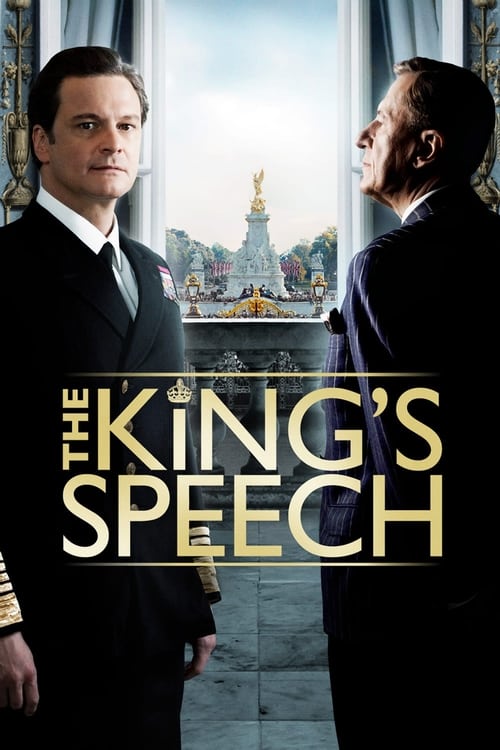
In the ending of "The King's Speech," King George VI delivers a powerful speech to the British people, successfully overcoming his stammer with the help of his speech therapist, Lionel Logue. The film concludes with a sense of triumph and unity as the King addresses the nation on the brink of World War II, solidifying his role as a leader.
As the final act unfolds, the scene transitions to the eve of World War II. The atmosphere is tense, filled with anticipation and anxiety. King George VI, portrayed by Colin Firth, stands in front of a microphone, preparing to address the nation. He is dressed in a formal military uniform, embodying the weight of his responsibilities. The camera captures his nervousness, the slight tremor in his hands, and the beads of sweat forming on his brow.
Lionel Logue, played by Geoffrey Rush, stands nearby, offering silent support. Their relationship has evolved throughout the film, from one of skepticism and frustration to a deep bond of trust and friendship. Lionel's earlier methods, which included unconventional techniques and personal revelations, have helped the King confront not only his speech impediment but also his insecurities and fears about his role as a monarch.
As the King begins to speak, the initial stammer returns, but he recalls Lionel's advice and techniques. He takes a deep breath, focusing on the rhythm and cadence of his words. The camera zooms in on his face, capturing the intensity of his concentration and the emotional weight of the moment. The speech is a call to arms, urging the British people to stand united in the face of impending war.
The King's voice grows stronger, and the stammer begins to fade. The audience, both in the room and at home, listens intently, their expressions shifting from concern to pride. The King's determination shines through as he articulates his message, his words resonating with hope and resolve. The scene is intercut with shots of the public, showing their reactions--some with tears in their eyes, others with expressions of admiration and support.
As he concludes, the King delivers a powerful line that encapsulates the spirit of the nation. The camera captures the moment of silence that follows, a palpable sense of relief and triumph filling the air. Lionel watches with a proud smile, knowing that his efforts have made a significant impact.
The film closes with a poignant moment between the King and Lionel. They share a look of mutual respect and understanding, acknowledging the journey they have taken together. The final shot lingers on the King's face, a mixture of vulnerability and strength, as he steps down from the podium, having embraced his role as a leader.
In the aftermath, King George VI emerges as a symbol of resilience for the British people. Lionel Logue continues to be a trusted confidant, having played a crucial role in the King's transformation. The film ends on a note of hope, emphasizing the importance of friendship, perseverance, and the power of words in overcoming personal and collective challenges.
Is there a post-credit scene?
The King's Speech does not have a post-credit scene. The film concludes with a powerful moment where King George VI, portrayed by Colin Firth, delivers his speech to the nation, successfully overcoming his stammer with the help of his speech therapist, Lionel Logue, played by Geoffrey Rush. The film ends on a note of triumph and emotional resonance, focusing on the bond formed between the king and Logue, as well as the significance of the moment for the country on the brink of World War II. There are no additional scenes or content after the credits.
What is the significance of Lionel Logue's unconventional methods in helping King George VI?
Lionel Logue employs unconventional methods to help King George VI overcome his stammer, which include using techniques such as breathing exercises, physical exercises, and even acting exercises. These methods are significant as they not only challenge the traditional approaches to speech therapy but also help the King to confront his fears and insecurities. Logue's insistence on treating the King as an equal rather than a royal figure allows George to open up emotionally, leading to breakthroughs in his speech and confidence.
How does King George VI's relationship with his brother, Edward VIII, affect his character development?
King George VI's relationship with his brother, Edward VIII, is complex and deeply impactful on his character development. Edward's abdication to marry Wallis Simpson leaves George feeling unprepared and burdened with the responsibilities of the throne. This sense of inadequacy fuels his insecurities and stammer, as he grapples with the weight of expectation and the fear of failure. The contrast between Edward's carefree demeanor and George's serious nature highlights George's internal struggles and ultimately drives him to seek help from Lionel Logue.
What role does the relationship between King George VI and his wife, Elizabeth, play in the story?
The relationship between King George VI and his wife, Elizabeth, is a cornerstone of the narrative, showcasing a deep bond of support and love. Elizabeth is portrayed as a steadfast partner who believes in George's potential and encourages him to confront his speech impediment. Her unwavering support provides him with the emotional strength he needs to face his fears. Their interactions reveal George's vulnerability and the pressure he feels, while Elizabeth's calm demeanor and loyalty serve as a source of comfort, illustrating the personal stakes involved in his journey.
How does the setting of the 1930s contribute to the challenges faced by King George VI?
The setting of the 1930s, marked by political tension and the looming threat of World War II, amplifies the challenges faced by King George VI. As the King struggles with his speech impediment, the weight of his role becomes even more pronounced against the backdrop of a nation in need of strong leadership. The societal expectations of the monarchy during this tumultuous time add pressure on George to perform flawlessly in public speaking, particularly during radio broadcasts that connect him with the British people. This historical context heightens the stakes of his personal battle, making his journey toward overcoming his stammer not just a personal triumph but a national necessity.
What is the significance of the speech that King George VI delivers at the end of the film?
The speech that King George VI delivers at the end of the film is significant as it represents the culmination of his journey toward self-acceptance and mastery over his speech impediment. As he addresses the nation on the brink of war, the emotional weight of his words resonates deeply with the audience. This moment symbolizes not only his personal victory over his stammer but also his emergence as a confident leader ready to unite and inspire his country during a time of crisis. The speech serves as a powerful testament to his growth, the bond he has formed with Lionel Logue, and the importance of perseverance in the face of adversity.
Is this family friendly?
"The King's Speech" is generally considered family-friendly, but it does contain some elements that may be objectionable or upsetting for children or sensitive viewers. Here are a few aspects to consider:
-
Strong Language: The film includes instances of strong language, particularly during the speech therapy sessions, where the therapist uses unconventional methods to help the protagonist.
-
Emotional Struggles: The main character, Prince Albert (Bertie), grapples with severe anxiety and a speech impediment, which may be distressing for some viewers, especially children who may not fully understand the emotional weight of his struggles.
-
Historical Context: The film is set against the backdrop of World War II, and while it does not depict graphic violence, the tension and anxiety related to the impending war may be unsettling for some.
-
Family Dynamics: There are moments of familial pressure and conflict, particularly regarding Bertie's relationship with his father and the expectations placed upon him, which may resonate with viewers who have experienced similar dynamics.
-
Mental Health Themes: The film addresses themes of mental health and personal struggle, which may be heavy for younger audiences or those sensitive to such topics.
Overall, while the film is inspiring and ultimately uplifting, these elements may require parental guidance for younger viewers.







