









Popular
What motivates William Kamkwamba to build the windmill?
How does William's relationship with his father evolve throughout the film?
What role does the village play in William's journey?
What challenges does William face while constructing the windmill?
How does the discovery of the library impact William's journey?
Should I watch it?
Ask Your Own Question

What is the plot?
Sorry, we aren't able to watch and write up a full detailed plot yet. Check back in a few days.









What is the ending?
In the ending of "The Boy Who Harnessed the Wind," William Kamkwamba successfully builds a windmill that generates electricity for his village, bringing hope and change. The villagers, initially skeptical, come to see the benefits of his invention. William's family, particularly his father, who had been resistant to his ideas, ultimately supports him. The film concludes with a sense of triumph and community, as William's innovation inspires others and highlights the importance of education and perseverance.
As the film approaches its conclusion, the tension in the village escalates due to a severe drought that has devastated crops and left families struggling. William Kamkwamba, portrayed by Maxwell Simba, is determined to find a solution to the dire situation. He recalls the knowledge he gained from reading books in the library, particularly about wind energy.
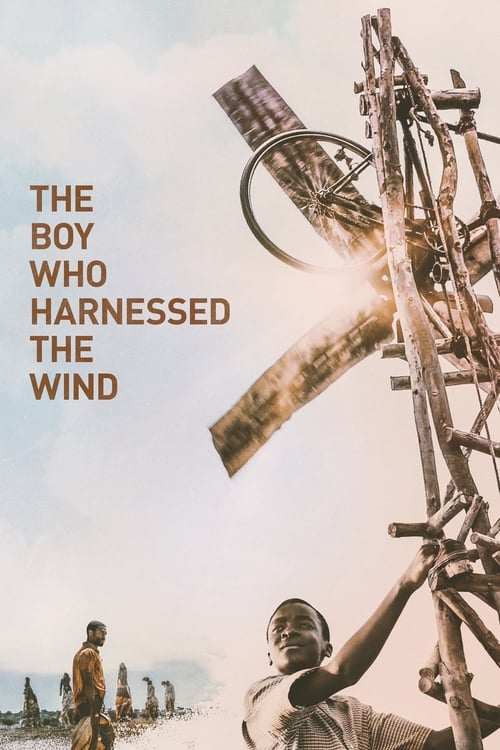
In a pivotal scene, William gathers materials from the village, including scrap metal and bicycle parts, to construct his windmill. His mother, Agnes (played by Aïssa Maïga), supports him, while his father, Trywell (played by Chiwetel Ejiofor), initially remains skeptical, burdened by the weight of their struggles and the loss of their crops. However, as William works tirelessly, the community begins to take notice of his determination and ingenuity.
The construction of the windmill is fraught with challenges. William faces ridicule from some villagers who doubt his abilities and the practicality of his project. Yet, he perseveres, driven by the desire to help his family and community. The emotional stakes rise as William's family faces hunger and despair, and the pressure mounts on him to succeed.
Finally, after much hard work and a few setbacks, the windmill is completed. In a climactic moment, William connects the windmill to a battery, and as the blades begin to spin, the lights in his home flicker on for the first time. The villagers, who had gathered to witness this moment, erupt in astonishment and joy. William's father, who had been skeptical, watches with pride and newfound respect for his son's intelligence and determination.
The film closes with a montage showing the positive impact of the windmill on the village. The windmill not only provides electricity but also symbolizes hope and resilience. William's family, particularly his father, embraces him, acknowledging the importance of education and innovation. The villagers come together, inspired by William's achievement, and the community begins to change for the better.
In the end, William's journey from a curious boy to a young inventor is celebrated, and the film leaves viewers with a powerful message about the potential of knowledge and the importance of believing in oneself. The fate of the main characters reflects growth and transformation: William emerges as a leader and innovator, his father learns to support his son's dreams, and the village begins to unite in the face of adversity, showcasing the strength of community and the power of hope.
Is there a post-credit scene?
The movie "The Boy Who Harnessed the Wind," produced in 2019, does not have a post-credit scene. The film concludes with a powerful resolution to the story of William Kamkwamba, who, after facing numerous challenges, successfully builds a windmill to bring electricity and water to his village in Malawi. The ending emphasizes themes of perseverance, innovation, and the impact of education, leaving the audience with a sense of hope and inspiration without any additional scenes after the credits.
What motivates William Kamkwamba to build the windmill?
William Kamkwamba is motivated by the dire circumstances his village faces due to a severe drought and famine. Witnessing his family's struggles and the desperation of his community ignites a determination within him to find a solution. His curiosity about science and engineering, sparked by a book he discovers in the library, drives him to experiment with building a windmill to generate electricity and pump water for irrigation.
How does William's relationship with his father evolve throughout the film?
Initially, William's father, Trywell, is skeptical of his son's ambitions and the practicality of his ideas. He believes in traditional ways of farming and is frustrated by William's focus on science. However, as the story progresses and William's determination leads to tangible results, Trywell's perspective shifts. He begins to support William's efforts, ultimately feeling pride in his son's ingenuity and resilience, which strengthens their bond.
What role does the village play in William's journey?
The village plays a crucial role in William's journey, serving as both a source of inspiration and a backdrop for the challenges he faces. The community's struggles with famine and poverty highlight the urgency of William's mission. As he works on the windmill, the villagers initially doubt him, but as they witness his progress, they begin to rally around him, providing support and ultimately celebrating his success, which fosters a sense of hope and unity.
What challenges does William face while constructing the windmill?
William faces numerous challenges while constructing the windmill, including a lack of resources, knowledge, and support. He scavenges for materials, often facing ridicule from peers and skepticism from adults. Additionally, he must navigate the complexities of his family's financial struggles and the societal expectations placed upon him. Despite these obstacles, his determination and innovative thinking drive him to overcome each hurdle, showcasing his resilience.
How does the discovery of the library impact William's journey?
The discovery of the library is a pivotal moment in William's journey. It opens up a world of knowledge and possibilities for him, allowing him to explore concepts of electricity and mechanics. The book he finds, which details how to build a windmill, becomes his blueprint for innovation. This newfound access to information fuels his imagination and empowers him to take action, ultimately leading to the creation of the windmill that transforms his community.
Is this family friendly?
"The Boy Who Harnessed the Wind" is generally considered family-friendly, but it does contain some scenes and themes that may be upsetting or objectionable for younger viewers or sensitive individuals. Here are a few aspects to consider:
-
Poverty and Struggle: The film depicts the harsh realities of life in a Malawian village, including extreme poverty, hunger, and the struggles of families to survive. These themes may be difficult for children to understand or process.
-
Death and Loss: There are moments that touch on the loss of loved ones and the impact of death on a family, which can be emotionally heavy.
-
Conflict and Tension: The film includes scenes of conflict within the community and between family members, which may create a sense of tension or distress.
-
Desperation: Characters experience moments of desperation and hopelessness, particularly related to the lack of food and resources, which could be upsetting.
-
Cultural Practices: Some cultural practices and beliefs depicted may be unfamiliar or confusing to children, potentially leading to misunderstandings.
Overall, while the film carries a hopeful message about resilience and innovation, parents may want to consider these elements when deciding if it is suitable for their children.







