






Popular
What new abilities does Mob develop in season 3?
How does Reigen's character evolve in season 3?
What challenges does Mob face with his emotions in season 3?
Who are the main antagonists in season 3, and what are their motivations?
How does the relationship between Mob and his friends develop in season 3?
Should I watch it?
Ask Your Own Question

What is the plot?
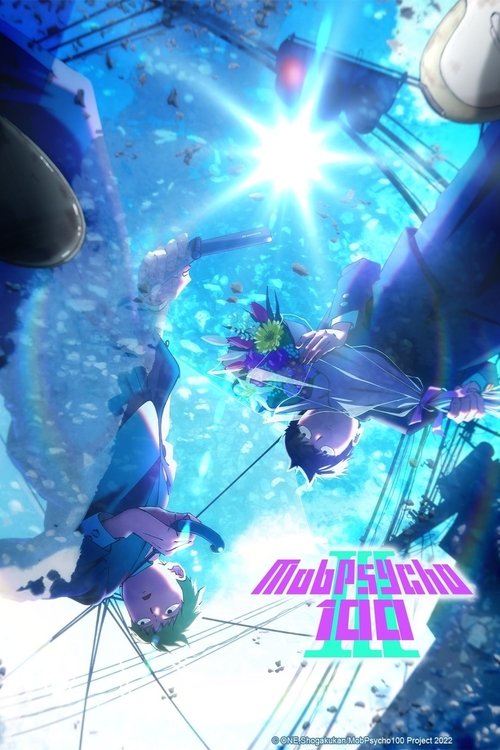
In the opening of Mob Psycho III, Shigeo "Mob" Kageyama is now a high school student, grappling with his emotions and psychic powers. He is determined to live a normal life, focusing on his relationships and schoolwork. Mob's internal struggle is highlighted as he tries to suppress his overwhelming psychic abilities, fearing the destruction they could cause. He continues to work part-time at Reigen Arataka's spirit consultation business, where he learns more about the complexities of human emotions and relationships.
As the story progresses, Mob's classmates begin to notice his growing distance and emotional turmoil. The tension escalates when a new character, a powerful psychic named Teruki "Teru" Hanazawa, re-emerges, challenging Mob's understanding of his powers. Teru, who has undergone significant character development since their last encounter, seeks to prove himself and confronts Mob, leading to a series of intense psychic battles. The confrontations are visually striking, showcasing their abilities in a flurry of energy blasts and psychic manifestations.
Meanwhile, Reigen faces his own challenges as he tries to maintain his business amidst increasing competition from other psychic consultants. He struggles with self-doubt and the fear of losing his connection with Mob, who is becoming more independent. Reigen's emotional state is depicted through his interactions with clients and his attempts to mentor Mob, emphasizing the bond they share.
Mob's emotional journey takes a darker turn when he encounters a group of psychics who are exploiting their powers for personal gain. This group, led by a charismatic but manipulative figure, seeks to harness Mob's abilities for their own purposes. Mob is torn between his desire to help others and the fear of losing control over his powers. The tension builds as he grapples with the moral implications of using his abilities, leading to a pivotal moment where he must choose between self-preservation and protecting those he cares about.
In a climactic confrontation, Mob faces off against the leader of the exploitative group. The battle is intense, filled with dramatic energy exchanges and emotional stakes. Mob's internal conflict is palpable as he struggles to maintain his composure while unleashing his full psychic potential. The fight culminates in a moment of self-realization for Mob, where he acknowledges his emotions and the importance of connection with others. This realization allows him to harness his powers in a way that is both destructive and protective, ultimately defeating the antagonist.
After the battle, Mob reflects on his experiences and the relationships he has built. He reconciles with his friends and acknowledges the importance of expressing his emotions rather than suppressing them. The season concludes with Mob embracing his identity as a powerful psychic while also valuing his connections with others, setting the stage for future growth and challenges. The final scenes depict Mob in a more confident light, ready to face whatever comes next with the support of his friends and mentors.
Related Titles
Browse All Titles →





What is the ending?
In the ending of "Mob Psycho III," Shigeo "Mob" Kageyama confronts his emotions and the consequences of his powers. After a climactic battle with the powerful esper, Toichiro Suzuki, Mob ultimately chooses to embrace his humanity over his psychic abilities. He uses his powers to protect his friends and the world, leading to a resolution where he finds peace within himself. The series concludes with Mob moving forward in life, focusing on his relationships and personal growth.
As the final episodes unfold, we find ourselves in a tense atmosphere where Mob is grappling with the weight of his powers and the expectations placed upon him. The scene opens with Mob standing at the edge of a chaotic battlefield, the remnants of a fierce confrontation with Toichiro Suzuki, who embodies the pinnacle of psychic power. The air is thick with tension, and Mob's internal struggle is palpable; he feels the pressure of his abilities and the fear of losing control.
In a flashback, we see Mob reflecting on his journey, the friendships he has forged, and the moments of vulnerability that have shaped him. He recalls his mentor, Reigen Arataka, who has always encouraged him to embrace his true self, not just his powers. This moment of introspection is crucial as it highlights Mob's growth from a boy who feared his abilities to a young man who understands the importance of connection and emotional expression.
As the battle resumes, Mob faces off against Suzuki, who is relentless in his pursuit of power. The clash is visually stunning, with psychic energy crackling in the air, and the ground trembling beneath their feet. Mob's emotions surge, and as he reaches a critical point, he feels the familiar sensation of his powers escalating. However, instead of succumbing to the overwhelming force, Mob takes a deep breath, grounding himself in the memories of his friends and the love they share.
In a pivotal moment, Mob chooses to suppress his powers, allowing himself to be vulnerable. He reaches out to Suzuki, attempting to connect with him on a human level. This act of compassion surprises Suzuki, who has been consumed by his own desires for power and control. Mob's choice to prioritize empathy over strength marks a significant turning point in the battle, showcasing his growth and maturity.
As the confrontation reaches its climax, Mob's friends, including Ritsu and Dimple, rally around him, providing support and encouragement. Their presence reinforces Mob's resolve, reminding him that he is not alone in this fight. Together, they create a powerful bond that transcends psychic abilities, emphasizing the series' core theme of friendship and understanding.
In the aftermath of the battle, Mob stands amidst the ruins, feeling a sense of relief wash over him. He has chosen to embrace his humanity, and in doing so, he has not only defeated Suzuki but also conquered his own fears. The scene shifts to Mob's friends celebrating their victory, and we see Mob smiling, a genuine expression of happiness that reflects his newfound acceptance of himself.
The series concludes with Mob walking through the streets of his town, a sense of peace enveloping him. He is no longer defined solely by his powers; instead, he is a young man ready to face the future with his friends by his side. The final moments capture Mob's growth, as he acknowledges the importance of relationships and the beauty of being human.
In the end, Mob's journey culminates in a powerful message about self-acceptance, the value of friendship, and the strength found in vulnerability. Each character, from Reigen to Ritsu, has played a vital role in Mob's development, and their fates are intertwined with his. Reigen continues to support Mob as a mentor, while Ritsu finds his own path, learning to embrace his abilities without overshadowing his brother. The series closes on a hopeful note, leaving viewers with a sense of closure and the promise of new beginnings for Mob and his friends.
Is there a post-credit scene?
In "Mob Psycho III," there is indeed a post-credit scene that adds a poignant touch to the series. After the main events of the final episode, the scene opens with a serene view of the city, transitioning to a quiet park where Shigeo "Mob" Kageyama is seen sitting on a bench. The atmosphere is calm, with the gentle rustling of leaves and the distant sounds of children playing.
As Mob sits there, he reflects on his journey, the friendships he has formed, and the growth he has experienced throughout the series. His expression is a mix of contentment and contemplation, showcasing his internal struggle with his powers and his desire for a normal life. The scene captures the essence of Mob's character--his deep emotional complexity and the weight of his psychic abilities.
Suddenly, the tranquility is interrupted by the arrival of his friends, including Ritsu and Reigen. They approach with smiles, inviting Mob to join them for a day of fun. The warmth of their camaraderie is palpable, and Mob's face lights up with a genuine smile, illustrating his acceptance of both his powers and his place among his friends.
The scene closes with the group walking away together, laughter echoing in the air, symbolizing Mob's journey towards embracing his identity and the bonds he has forged. This post-credit moment serves as a heartfelt reminder of the importance of friendship and personal growth, leaving viewers with a sense of hope and fulfillment as the series concludes.
What new abilities does Mob develop in season 3?
In season 3, Mob continues to grow in his psychic abilities, particularly as he grapples with his emotions and the responsibilities that come with his powers. He learns to better control his psychic energy, allowing him to use it more effectively in confrontations. This season showcases his struggle to balance his powers with his desire for a normal life, leading to moments where he must confront his own limitations.
How does Reigen's character evolve in season 3?
Reigen's character in season 3 experiences significant growth as he faces the consequences of his actions and the impact he has on Mob's life. He begins to take on a more mentor-like role, guiding Mob not just in psychic matters but also in understanding his emotions and the importance of personal connections. His relationship with Mob deepens, showcasing a more mature and responsible side of his personality.
What challenges does Mob face with his emotions in season 3?
Throughout season 3, Mob faces intense emotional challenges as he navigates adolescence and the complexities of his relationships. He struggles with feelings of isolation, the pressure to fit in, and the fear of losing those he cares about. These emotional conflicts often manifest in his psychic powers, leading to explosive moments where he must confront his inner turmoil and learn to express himself more openly.
Who are the main antagonists in season 3, and what are their motivations?
In season 3, the main antagonists include the organization known as Claw, which seeks to exploit psychic powers for their own gain. The leader, Toichiro Suzuki, has a vision of a world dominated by psychics, which puts him at odds with Mob and his friends. Their motivations stem from a desire for power and control, contrasting sharply with Mob's more altruistic goals of protecting his loved ones and finding his place in the world.
How does the relationship between Mob and his friends develop in season 3?
In season 3, Mob's relationships with his friends, particularly with Shigeo and Ritsu, deepen as they face various challenges together. The season explores themes of friendship, loyalty, and support, highlighting how Mob's friends help him navigate his emotional struggles. Key moments include their shared experiences in battles against Claw and personal growth, reinforcing the importance of their bonds and the impact they have on each other's lives.
Is this family friendly?
"Mob Psycho 100" Season 3, titled "Mob Psycho III," contains several elements that may be considered objectionable or upsetting for children or sensitive viewers. Here are some aspects to be aware of:
-
Violence and Action: The series features intense battles and confrontations involving psychic powers, which can result in destruction and injury. Some scenes depict characters in perilous situations, which may be distressing.
-
Emotional Turmoil: Characters experience significant emotional struggles, including feelings of isolation, anxiety, and existential crises. These themes may resonate deeply and could be upsetting for some viewers.
-
Supernatural Horror Elements: The presence of spirits and supernatural entities can be frightening. Some scenes may include grotesque or unsettling imagery that could be alarming to younger audiences.
-
Mature Themes: The show explores complex themes such as personal growth, the burden of power, and the impact of relationships, which may be difficult for younger viewers to fully grasp.
-
Mild Language: There are instances of mild swearing and suggestive dialogue that may not be suitable for all audiences.
Overall, while "Mob Psycho 100" is rich in character development and humor, it does contain elements that may not be appropriate for all children or sensitive viewers. Parental discretion is advised.








