


Loading additional questions...
Popular
What caused the Dancing Plague in the episode?
How do the puppets represent historical figures in the episode?
What role does the character of the town's leader play in the story?
How does the episode illustrate the reactions of the townspeople to the Dancing Plague?
What humorous elements are used to depict the Dancing Plague?
Should I watch it?
Ask Your Own Question

What is the plot?





What is the ending?
Is there a post-credit scene?
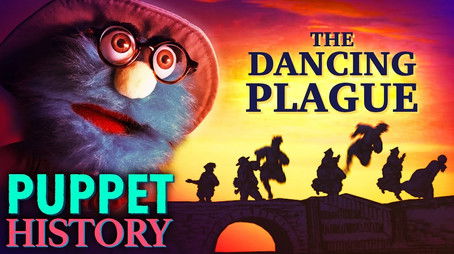
In the episode "The Dancing Plague" from Puppet History, there is indeed a post-credit scene. After the main narrative concludes, the scene shifts to a whimsical and humorous moment featuring the puppet characters. The host, dressed in a vibrant costume, engages in a playful dance, mimicking the chaotic movements of the dancers from the historical event discussed in the episode.
As the host dances, other puppet characters join in, each showcasing their own exaggerated and silly dance moves. The atmosphere is light-hearted and comedic, emphasizing the absurdity of the dancing plague while also celebrating the joy of movement. The scene captures a sense of camaraderie among the puppets, as they laugh and encourage each other to dance freely, reflecting the episode's themes of collective behavior and the human experience.
This playful conclusion serves to leave the audience with a smile, reinforcing the show's blend of education and entertainment, while also inviting viewers to consider the strange and often humorous aspects of history.
What caused the Dancing Plague in the episode?
The episode explores the mysterious outbreak of uncontrollable dancing that struck the residents of Strasbourg in 1518, suggesting various theories such as mass hysteria, ergot poisoning, and social pressures.
How do the puppets represent historical figures in the episode?
The puppets in the episode depict key historical figures such as the townspeople affected by the plague and the authorities who attempted to manage the crisis, using exaggerated features and comedic expressions to convey their emotions and motivations.
What role does the character of the town's leader play in the story?
The town's leader, portrayed as a puppet, is depicted as overwhelmed and desperate to control the situation, reflecting the panic and confusion of the time as he tries various methods to stop the dancing.
How does the episode illustrate the reactions of the townspeople to the Dancing Plague?
The episode vividly portrays the townspeople's reactions through animated puppet performances, showcasing their fear, frustration, and eventual acceptance of the bizarre phenomenon as they dance uncontrollably.
What humorous elements are used to depict the Dancing Plague?
The episode incorporates humor through exaggerated puppet movements, comedic dialogue, and absurd scenarios, such as the townspeople's attempts to dance their way out of the plague, highlighting the ridiculousness of the situation.