


Popular
What specific events led to the eruption of Mt. Vesuvius as depicted in the episode?
How did the citizens of Pompeii react to the initial signs of the eruption?
What role do the puppet characters play in conveying the story of the eruption?
What were the immediate effects of the eruption on the city of Pompeii as shown in the episode?
How does the episode illustrate the aftermath of the eruption for the survivors?
Should I watch it?
Ask Your Own Question

What is the plot?
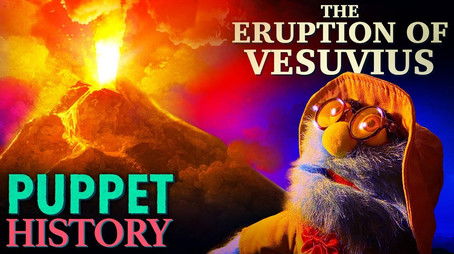
The episode begins with the host introducing the topic of the eruption of Mount Vesuvius, setting the stage for the catastrophic event that will unfold. The host explains that the eruption occurred in 79 AD and focuses on the city of Pompeii, which was buried under volcanic ash. The scene transitions to a puppet representation of the bustling city of Pompeii, showcasing its vibrant streets filled with citizens going about their daily lives, unaware of the impending disaster.
As the narrative progresses, the host introduces key characters, including a wealthy merchant named Caecilius, who is depicted as a proud and ambitious man. He is shown in his lavish home, discussing business with his wife, who expresses concern about the strange rumblings coming from the nearby mountain. Caecilius dismisses her worries, focusing instead on his plans for a grand feast to celebrate his latest business success.
The scene shifts to the mountain itself, where the ominous signs of an eruption begin to manifest. The host describes the geological activity, and the puppets illustrate the growing tremors and smoke billowing from the summit of Vesuvius. The citizens of Pompeii are shown reacting with confusion and disbelief as the ground shakes beneath them, and the sky darkens with ash.
As the day of the eruption approaches, Caecilius prepares for his feast, inviting friends and family to join him. The atmosphere is festive, but there is an underlying tension as the tremors continue. The host emphasizes the contrast between the celebratory mood in the city and the impending doom, creating a sense of foreboding.
The eruption finally occurs with a violent explosion, depicted through dramatic puppet animations. The sky is filled with ash and pumice, and the citizens of Pompeii are thrown into chaos. Caecilius and his family are shown trying to escape their home as ash begins to fall, covering everything in a thick layer. The host narrates the panic that ensues, with people running through the streets, desperately seeking safety.
In the midst of the chaos, Caecilius makes a critical decision to return to his home to retrieve valuable items, despite his wife urging him to leave immediately. This moment highlights his greed and desire to protect his wealth over the safety of his family. The host emphasizes the tragic consequences of this choice as the ash continues to fall, burying the city.
As the eruption intensifies, the puppets depict the destruction of Pompeii, with buildings collapsing and citizens succumbing to the ash. The host explains how the city was ultimately preserved under layers of volcanic material, creating a time capsule of Roman life. The emotional weight of the disaster is palpable as the host reflects on the loss of life and the impact on the community.
The episode concludes with a reflection on the archaeological discoveries made in Pompeii centuries later, showcasing the preserved artifacts and the stories they tell. The host ties back to the characters introduced earlier, illustrating how their lives were forever altered by the eruption. The final scenes depict the haunting beauty of the ruins, leaving viewers with a sense of both wonder and tragedy.




What is the ending?
In the ending of "The Terrifying Eruption of Mt. Vesuvius," the episode concludes with a dramatic retelling of the eruption itself, showcasing the chaos and destruction that befell the cities of Pompeii and Herculaneum. The characters, represented by puppets, reflect on the catastrophic event and its impact on the lives of the people who lived there. The episode wraps up with a humorous yet poignant reminder of the importance of understanding history and the lessons it teaches.
As the episode nears its conclusion, the scene shifts to the moment of the eruption. The puppet characters, who have been narrating the story, become increasingly frantic as they describe the ominous signs leading up to the disaster. The ground trembles, and the sky darkens, creating a palpable sense of dread. The audience can feel the tension as the characters express their fears and uncertainties about what is to come.
Suddenly, the eruption of Mount Vesuvius occurs in a spectacular display of puppet theatrics. Ash and smoke billow from the volcano, and the characters react with shock and horror. The puppets, representing the citizens of Pompeii, scramble to escape, their movements frantic and desperate. The chaos is palpable as they try to flee the impending doom, showcasing their internal motivations of survival and the instinct to protect loved ones.
As the eruption intensifies, the scene transitions to the aftermath. The puppets depict the devastation left in the wake of the eruption, with ash covering the once-thriving city. The characters reflect on the loss of life and the destruction of their homes, their expressions somber and filled with regret. The emotional weight of the event is felt deeply as they acknowledge the fragility of life and the unpredictability of nature.
In the final moments, the puppets gather to share a lesson learned from the tragedy. They emphasize the importance of remembering history and the stories of those who lived through such catastrophic events. The episode closes with a humorous twist, as the characters, despite the somber subject matter, find a way to lighten the mood, reminding the audience that even in the face of disaster, there is room for resilience and hope.
The fate of the main characters, represented by the puppets, is left somewhat ambiguous, as they symbolize the collective experience of the people of Pompeii rather than individual stories. However, their journey through fear, chaos, and ultimately reflection serves as a powerful reminder of the human experience in the face of natural disasters. The episode concludes with a sense of closure, encouraging viewers to appreciate the lessons of history while also finding humor in the absurdity of life.
Is there a post-credit scene?
In the episode "The Terrifying Eruption of Mt. Vesuvius" from Puppet History, there is indeed a post-credit scene. After the main narrative concludes, the scene shifts to a humorous and light-hearted moment featuring the puppet characters. The scene depicts a puppet version of Pliny the Elder, who is known for his writings about the eruption, comically struggling to write down his observations as chaos unfolds around him.
As he attempts to document the eruption, the puppet is distracted by the frantic movements of other puppets fleeing the scene, adding a layer of comedic panic. Pliny's frustration grows as he tries to maintain his composure and focus on his writing, despite the volcanic ash and debris falling around him. The scene captures the absurdity of the situation, highlighting the contrast between the seriousness of the historical event and the playful nature of the puppet format.
This post-credit moment serves to reinforce the episode's themes of chaos and the human experience in the face of disaster, while also providing a light-hearted conclusion that leaves the audience with a smile.
What specific events led to the eruption of Mt. Vesuvius as depicted in the episode?
The episode details the geological buildup of pressure beneath the surface of Mt. Vesuvius, illustrating how the accumulation of magma and gases created a volatile situation. It highlights the signs of impending eruption that the residents of Pompeii ignored, such as minor earthquakes and the release of gas.
How did the citizens of Pompeii react to the initial signs of the eruption?
The citizens of Pompeii are portrayed as largely oblivious to the danger. The episode shows them going about their daily lives, dismissing the tremors and other warning signs as normal occurrences, which reflects their disbelief and underestimation of nature's power.
What role do the puppet characters play in conveying the story of the eruption?
The puppet characters serve as both narrators and participants in the story, providing comedic relief while also delivering historical facts. They embody various figures from Pompeii, such as a local merchant and a Roman soldier, which helps to personalize the tragedy and engage the audience emotionally.
What were the immediate effects of the eruption on the city of Pompeii as shown in the episode?
The episode vividly depicts the chaos and destruction that ensued as the eruption unleashed pyroclastic flows and ash clouds. It illustrates the panic among the citizens, the rapid burial of the city, and the desperate attempts of some to escape, capturing the horror of the moment.
How does the episode illustrate the aftermath of the eruption for the survivors?
The aftermath is portrayed through the lens of those who managed to escape, showcasing their grief and loss. The episode emphasizes the long-term impact on the survivors, including the psychological trauma and the struggle to rebuild their lives in the shadow of such a catastrophic event.
Is this family friendly?
In the episode "The Terrifying Eruption of Mt. Vesuvius" from Puppet History, there are a few elements that may be considered potentially objectionable or upsetting for children or sensitive viewers:
-
Destruction and Death: The episode discusses the catastrophic eruption of Mt. Vesuvius, which resulted in the destruction of the city of Pompeii and the loss of many lives. This theme of disaster and mortality may be distressing.
-
Graphic Imagery: While the show uses puppetry and humor, the depiction of the aftermath of the eruption may include references to the suffering of the victims, which could be unsettling for younger audiences.
-
Historical Context: The episode touches on the panic and chaos experienced by the residents of Pompeii during the eruption, which may evoke feelings of fear or anxiety.
-
Dark Humor: The show's comedic approach to historical events may include dark humor that some viewers might find inappropriate or uncomfortable.
Overall, while the episode is designed to be educational and entertaining, these themes may require parental guidance for younger viewers.