


Popular
What were the main challenges faced by the runners during the 1904 Olympic Marathon?
Who was the eventual winner of the 1904 Olympic Marathon and what were the circumstances of his victory?
What role did the spectators play during the marathon, and how did they affect the runners?
How did the race conditions impact the performance of the runners, particularly the international competitors?
What was the significance of the 1904 Olympic Marathon in the context of Olympic history?
Should I watch it?
Ask Your Own Question

What is the plot?
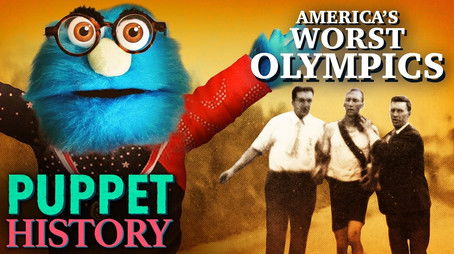
The episode begins with a lively introduction to the 1904 Olympic Marathon, set in St. Louis, Missouri. The host, dressed as a puppet, sets the stage by explaining the context of the Olympics, which were part of the World's Fair. The audience is introduced to the various competitors, highlighting the excitement and anticipation surrounding the marathon event.
As the marathon begins, the scene shifts to the starting line where the runners are gathered. The atmosphere is tense, filled with the energy of the crowd. The host introduces the main competitors, including John Hayes, an American runner, and several others from different countries, including a notable runner from Greece. The competitors are shown preparing for the race, each displaying their unique motivations and backgrounds.
The race starts, and the runners take off down the course. The host narrates the initial excitement as the athletes sprint away from the starting line. However, the scene quickly shifts to the challenges they face, including the sweltering heat and poor course conditions. The host emphasizes the lack of proper hydration and nutrition for the runners, foreshadowing the difficulties ahead.
As the marathon progresses, the first major incident occurs when one of the runners, Fred Lorz, collapses due to exhaustion. He is shown being helped off the course, highlighting the physical toll the race is taking on the competitors. Meanwhile, John Hayes continues to push forward, determined to succeed despite the harsh conditions.
The narrative then focuses on the bizarre events that unfold during the race. The host describes how some runners take shortcuts, including Lorz, who hitches a ride in a car for part of the race. This moment adds a layer of absurdity to the competition, showcasing the chaotic nature of the event. The audience is entertained by the antics of the runners, contrasting the seriousness of the marathon with the humorous elements of their struggles.
As the race nears its conclusion, Hayes is shown battling fatigue and dehydration. The host details his internal struggle, emphasizing his determination to finish despite the overwhelming odds. The scene captures the emotional weight of the moment, as Hayes pushes through the pain, embodying the spirit of perseverance.
In a surprising twist, Lorz re-enters the race, believing he can still win despite his earlier ride. The host narrates the confusion among the spectators as Lorz crosses the finish line first, only to be disqualified when the truth of his shortcut is revealed. This moment serves as a turning point in the race, shifting the focus back to Hayes, who is still running.
Finally, Hayes crosses the finish line, exhausted but triumphant. The host describes the emotional release of the moment, as Hayes is celebrated for his hard-fought victory. The crowd erupts in cheers, and Hayes is awarded the gold medal, symbolizing his resilience and determination throughout the race.
The episode concludes with a reflection on the chaotic nature of the 1904 Olympic Marathon, highlighting the absurdity and challenges faced by the runners. The host wraps up the story, leaving the audience with a sense of the historical significance of the event and the unforgettable characters who participated in it.







What is the ending?
In the ending of "The Disastrous 1904 Olympic Marathon," the race concludes with the unexpected victory of Thomas Hicks, who, despite suffering from exhaustion and the effects of the harsh conditions, manages to cross the finish line. However, his victory is marred by the questionable methods used to aid him, including the administration of strychnine and brandy. The episode wraps up with a reflection on the chaotic nature of the marathon and the various fates of the other runners, highlighting the extreme challenges they faced.
As the episode nears its conclusion, the scene shifts to the final moments of the marathon. The sun beats down mercilessly on the runners, and the atmosphere is thick with tension and exhaustion. Thomas Hicks, who has been struggling throughout the race, is seen staggering towards the finish line. His body is weary, and his face is a mask of pain and determination. The audience can feel the weight of his struggle as he pushes through the last few yards, spurred on by the cheers of the crowd, even as he is barely able to keep his feet moving.
In a contrasting scene, we see the other runners, each grappling with their own challenges. Fred Lorz, who had initially taken the lead, is seen resting on the side of the road after having taken a ride in a car, only to later re-enter the race in a misguided attempt to claim victory. His actions are met with disbelief and scorn when they are revealed. Meanwhile, other competitors like John Hayes and the African runner, Len Taunyane, are depicted as they struggle against the oppressive heat and their own physical limits, showcasing the grueling nature of the marathon.
As Hicks approaches the finish line, he is assisted by his trainers, who have been administering strychnine to him as a stimulant. The audience witnesses the moral ambiguity of this moment, as Hicks is barely conscious but is still pushed to complete the race. The finish line looms ahead, and with one final surge of effort, Hicks crosses it, collapsing immediately after. The crowd erupts in cheers, but the victory feels hollow as the reality of his condition sets in.
The episode concludes with a reflection on the aftermath of the marathon. Hicks is celebrated as the winner, but the methods that led to his victory raise questions about the integrity of the competition. Fred Lorz is disqualified for his earlier deception, and the other runners are left to contend with their own experiences of hardship and failure. The chaotic nature of the event serves as a reminder of the unpredictability of sports and the lengths to which athletes will go to achieve glory, even at the cost of their health and ethics.
In the end, Thomas Hicks is left with the title of champion, but his victory is overshadowed by the physical toll it took on him and the questionable practices that facilitated it. The other runners, while not victorious, are portrayed as resilient figures who faced insurmountable odds, each with their own story of struggle and perseverance. The episode closes on a note of reflection, leaving the audience to ponder the true meaning of victory in the face of such adversity.
Is there a post-credit scene?
In the episode "The Disastrous 1904 Olympic Marathon" from Puppet History, there is indeed a post-credit scene. After the main narrative concludes, the scene shifts to a humorous and light-hearted moment featuring the puppet characters. The scene showcases a mock race where the puppets, representing various historical figures, comically struggle to run a marathon. They exaggerate their movements, with some puppets tripping over their own feet or getting distracted by snacks along the way.
The atmosphere is filled with laughter as the characters banter and poke fun at each other, highlighting their personalities. One puppet, embodying a particularly competitive spirit, dramatically collapses in a comedic fashion, while another puppet offers them a drink, only to spill it everywhere. This playful interaction serves to reinforce the episode's themes of perseverance and the absurdity of the marathon experience, leaving viewers with a light-hearted conclusion to the historical tale. The scene encapsulates the show's blend of education and entertainment, ensuring that the audience is both informed and amused.
What were the main challenges faced by the runners during the 1904 Olympic Marathon?
The runners faced extreme heat and humidity, with temperatures soaring to around 90 degrees Fahrenheit. Many of them suffered from dehydration and exhaustion. The course was poorly marked, and some runners got lost or took wrong turns. Additionally, the dust from the unpaved roads caused respiratory issues, and the lack of proper hydration stations exacerbated their struggles.
Who was the eventual winner of the 1904 Olympic Marathon and what were the circumstances of his victory?
The eventual winner was Thomas Hicks, an American runner. His victory was marred by controversy as he was given strychnine and brandy by his trainers to keep him going. He was in a state of near collapse towards the end of the race, and despite being helped across the finish line, his win raised questions about the ethics of performance-enhancing substances.
What role did the spectators play during the marathon, and how did they affect the runners?
Spectators played a significant role, as many were unprepared for the chaos of the event. Some cheered enthusiastically, while others were more interested in betting on the runners. The crowd's presence added to the pressure on the athletes, and some spectators even interfered with the race, leading to confusion and distraction for the competitors.
How did the race conditions impact the performance of the runners, particularly the international competitors?
The race conditions severely impacted the performance of many international competitors, particularly those from cooler climates. For instance, the Cuban runner, Félix Carvajal, struggled with the heat and ended up taking a nap during the race. The extreme conditions led to many runners dropping out or finishing far behind their expected times, highlighting the challenges of the marathon.
What was the significance of the 1904 Olympic Marathon in the context of Olympic history?
The 1904 Olympic Marathon is significant as it highlighted the need for better organization and safety in marathon events. The chaos and mismanagement of the race led to reforms in how marathons were conducted in future Olympics. It also marked a turning point in the perception of marathon running as a legitimate sport, despite the controversies surrounding the event.
Is this family friendly?
The episode "The Disastrous 1904 Olympic Marathon" from Puppet History is generally family-friendly, but it does contain some elements that may be considered objectionable or upsetting for children or sensitive viewers.
-
Physical Distress: The episode discusses the extreme physical challenges faced by marathon runners, including exhaustion and dehydration, which may be depicted in a way that could be unsettling for some viewers.
-
Historical Context: There are references to the harsh conditions of the marathon, including the lack of proper medical support and the treatment of athletes, which may touch on themes of suffering and failure.
-
Humor: The show employs dark humor and satire, which might not resonate well with all audiences, particularly younger children who may not understand the comedic intent behind the historical misfortunes.
-
Competition Pressure: The intense pressure and expectations placed on the athletes can be portrayed in a way that highlights the stress and anxiety associated with competition, which might be distressing for some viewers.
Overall, while the episode is designed to be entertaining and educational, these elements may require parental guidance for younger audiences.