


Popular
What motivated José Rizal to become a revolutionary figure in the Philippines?
How did Rizal's writings impact the Philippine revolution?
What role did Rizal's family play in his life and revolutionary ideas?
What were the consequences of Rizal's execution for the Philippine independence movement?
How did Rizal's personal relationships influence his revolutionary thoughts?
Should I watch it?
Ask Your Own Question

What is the plot?
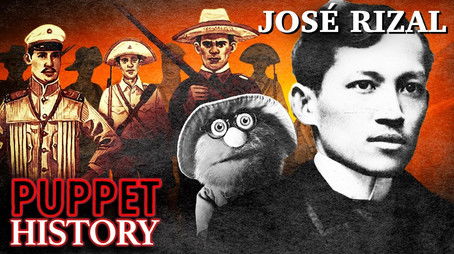
In the episode "José Rizal: The Philippines' Reluctant Revolutionary," the narrative begins with a puppet representation of José Rizal, a key figure in the Philippine revolution against Spanish colonial rule. The scene opens with a vibrant puppet stage, where the host introduces Rizal as a brilliant but reluctant revolutionary. The audience is shown a brief overview of Rizal's early life, highlighting his intelligence and literary talents, which set the stage for his future impact on Philippine society.
The story transitions to Rizal's education, where he is depicted as a dedicated student who excels in various subjects. The puppets illustrate his time studying in Europe, where he becomes exposed to revolutionary ideas and the plight of his fellow Filipinos under Spanish oppression. This exposure ignites a sense of responsibility within him, though he grapples with the idea of taking direct action against the colonial government.
As the narrative progresses, the episode delves into Rizal's literary contributions, particularly his novels "Noli Me Tangere" and "El Filibusterismo." The puppets dramatically reenact scenes from these works, showcasing how they critique the Spanish authorities and inspire a sense of nationalism among Filipinos. The emotional weight of his writings is emphasized, as they resonate deeply with the struggles of his countrymen, yet Rizal remains hesitant to embrace a revolutionary role.
The plot thickens when Rizal returns to the Philippines, where he is met with both admiration and suspicion. The puppet representation of the Spanish authorities grows increasingly concerned about his influence. A pivotal moment occurs when Rizal is confronted by fellow revolutionaries who urge him to take a more active stance against the Spanish regime. Despite their encouragement, Rizal's internal conflict is palpable; he fears the consequences of violent rebellion and prefers reform through education and peaceful means.
Tensions escalate as Rizal's writings lead to his arrest. The puppets depict the dramatic scene of his capture, showcasing the fear and uncertainty that grips him. He is imprisoned and faces trial, where the Spanish authorities accuse him of inciting rebellion. The emotional turmoil is evident as Rizal reflects on his life choices, feeling torn between his desire for change and his aversion to violence.
The climax of the episode occurs during Rizal's trial, where he delivers a powerful speech defending his actions and beliefs. The puppets illustrate the courtroom drama, capturing the intensity of the moment as Rizal articulates his vision for the Philippines. Despite his eloquence, the verdict is grim; he is sentenced to death. The emotional weight of this moment is underscored by the reactions of his supporters and the puppet audience, who feel the gravity of his sacrifice.
In the final scenes, Rizal faces his execution with a sense of calm resignation. The puppets portray his last moments, emphasizing his bravery and commitment to his ideals. As he is led to the firing squad, he reflects on his love for his country and the hope that his sacrifice will inspire future generations. The episode concludes with a poignant reminder of Rizal's legacy, as the puppets celebrate his contributions to Philippine independence, leaving the audience with a sense of both loss and inspiration.







What is the ending?
In the ending of "José Rizal: The Philippines' Reluctant Revolutionary," José Rizal faces the consequences of his revolutionary ideas. Despite his peaceful approach to reform, he is executed by the Spanish colonial government, which ultimately leads to his martyrdom and inspires a movement for Philippine independence. The episode concludes with a reflection on Rizal's legacy and the impact of his writings on the fight for freedom.
As the episode draws to a close, the scene shifts to a somber atmosphere in the Philippines. José Rizal, portrayed as a thoughtful and introspective figure, stands in his prison cell, contemplating his fate. The weight of his revolutionary ideas hangs heavily on him, as he grapples with the realization that his peaceful advocacy for reform has put him at odds with the colonial authorities. His internal conflict is palpable; he wishes for change but fears the violent repercussions that may follow.
The narrative transitions to the day of his execution. The scene is tense, filled with a sense of impending doom. Rizal is led through the streets, surrounded by soldiers and a crowd that is both curious and mournful. His demeanor remains calm, reflecting his belief in the righteousness of his cause. As he approaches the execution site, the emotional stakes rise. The audience witnesses the fear and sorrow of his supporters, who understand the significance of his sacrifice.
In his final moments, Rizal stands resolute, embodying the spirit of a martyr. He delivers a poignant farewell, expressing his love for the Philippines and his hope for a brighter future. The execution is swift and brutal, yet Rizal's spirit seems to transcend the violence. The scene captures the shock and grief of the onlookers, who are left to ponder the implications of his death.
As the episode concludes, the focus shifts to the aftermath of Rizal's execution. His writings, particularly "Noli Me Tangere" and "El Filibusterismo," become rallying cries for the Filipino people. The puppet characters reflect on how Rizal's legacy ignites a passion for independence among the populace, leading to a surge in revolutionary sentiment. The final scenes depict the growing movement for freedom, with Rizal's image becoming a symbol of hope and resistance.
The episode ends on a reflective note, emphasizing the enduring impact of Rizal's life and work. His fate serves as a catalyst for change, inspiring future generations to continue the fight for their rights and identity. The audience is left with a sense of both loss and hope, encapsulating the complex emotions surrounding Rizal's legacy as a reluctant revolutionary who ultimately became a national hero.
Is there a post-credit scene?
In the episode "José Rizal: The Philippines' Reluctant Revolutionary" from Puppet History, there is indeed a post-credit scene. After the main narrative concludes, the scene shifts to a light-hearted moment featuring the puppet characters reflecting on the events of the episode. They engage in a humorous discussion about the impact of Rizal's writings and his legacy, with one puppet comically misinterpreting a famous quote. This leads to a playful exchange filled with puns and jokes about revolution and literature, showcasing the show's signature blend of education and entertainment. The scene wraps up with a catchy musical number that celebrates Rizal's contributions, leaving the audience with a sense of joy and a deeper appreciation for the historical figure.
What motivated José Rizal to become a revolutionary figure in the Philippines?
José Rizal was deeply influenced by the injustices faced by his fellow Filipinos under Spanish colonial rule. His experiences of discrimination and the suffering of his people ignited a passion for reform and a desire for independence, leading him to write influential works that inspired a nationalistic movement.
How did Rizal's writings impact the Philippine revolution?
Rizal's novels, particularly 'Noli Me Tangere' and 'El Filibusterismo', exposed the corruption and abuses of the Spanish government and the Catholic Church. These works stirred the hearts of Filipinos, encouraging them to seek reform and ultimately contributing to the revolutionary spirit that fueled the fight for independence.
What role did Rizal's family play in his life and revolutionary ideas?
Rizal's family, particularly his mother, Teodora Alonso Realonda, played a significant role in shaping his values and intellect. Their support and encouragement in education fostered his critical thinking and empathy towards the plight of the Filipino people, which became central to his revolutionary ideas.
What were the consequences of Rizal's execution for the Philippine independence movement?
Rizal's execution in 1896 became a rallying point for Filipinos, transforming him into a martyr for the cause of independence. His death galvanized the revolutionary movement, leading to increased support for the Katipunan and other groups fighting against Spanish rule.
How did Rizal's personal relationships influence his revolutionary thoughts?
Rizal's relationships, particularly with women like Leonor Rivera and Josephine Bracken, influenced his views on love, sacrifice, and the struggle for freedom. These connections provided emotional depth to his writings and reinforced his commitment to the cause of Philippine independence.
Is this family friendly?
"Puppet History," season 4, episode 4, titled "José Rizal: The Philippines' Reluctant Revolutionary," is generally family-friendly, but it does contain some themes and scenes that may be sensitive for children or those who are easily upset.
-
Colonial Oppression: The episode discusses the impact of Spanish colonial rule in the Philippines, which may include depictions of oppression and injustice that could be distressing for younger viewers.
-
Violence and Conflict: There are references to revolutionary activities and the struggles faced by José Rizal and his compatriots, which may involve discussions of violence or conflict.
-
Death and Sacrifice: The narrative touches on themes of martyrdom and sacrifice, including the fate of Rizal, which could be heavy for sensitive viewers.
-
Emotional Struggles: The internal conflicts and emotional turmoil experienced by Rizal regarding his role in the revolution may resonate deeply, potentially leading to feelings of sadness or discomfort.
While the show uses puppetry and humor to convey its historical narratives, these themes may still require parental guidance for younger audiences.