



























































Popular
What is the significance of the Animus in Assassin's Creed?
Who is Callum Lynch and what motivates him throughout the film?
What role does Sofia Rikkin play in the story?
What is the relationship between Callum Lynch and his ancestor Aguilar de Nerha?
What is the purpose of the Templar Order in the film?
Should I watch it?
Ask Your Own Question

What is the plot?
Sorry, we aren't able to watch and write up a full detailed plot yet. Check back in a few days.
More Movies Like This
Browse All Movies →







What is the ending?
In the ending of Assassin's Creed, Callum Lynch, having experienced the memories of his ancestor Aguilar, confronts the modern-day Templar organization. He ultimately decides to take a stand against them, using the skills he has acquired from his ancestor. The film concludes with Callum embracing his role as an Assassin, vowing to continue the fight against the Templars.
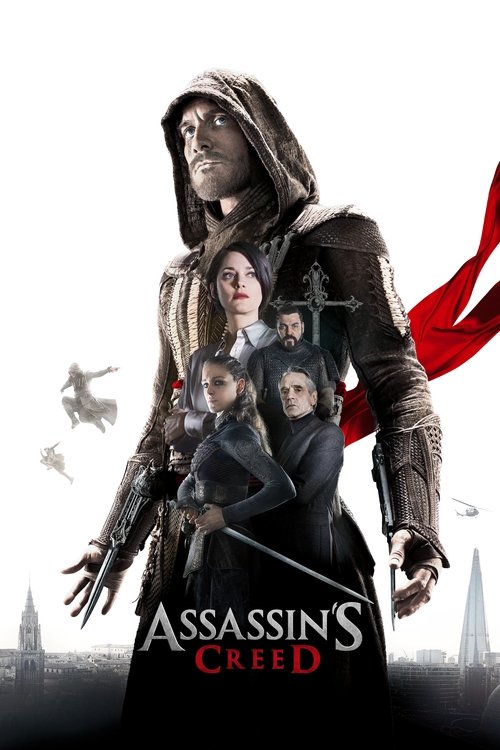
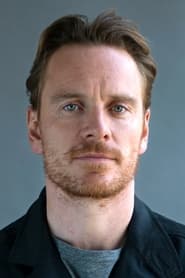
As the climax of the film unfolds, Callum Lynch, portrayed by Michael Fassbender, finds himself in a high-stakes confrontation with the Abstergo Industries, the modern-day Templar organization. After successfully navigating through the memories of his ancestor Aguilar de Nerha, Callum has gained not only the physical prowess of an Assassin but also a deeper understanding of the conflict between the Assassins and the Templars.
The scene shifts to the Abstergo facility, where Callum, now fully aware of his lineage and the purpose of the Assassins, is determined to stop the Templars from using the Apple of Eden, a powerful artifact that can control free will. He is joined by fellow Assassins, including Sofia Rikkin, played by Marion Cotillard, who has been conflicted about her role in the Templar organization. Sofia, who has developed a bond with Callum, is torn between her loyalty to her father, Alan Rikkin, the head of Abstergo, and her growing understanding of the Assassins' cause.
As the tension escalates, Callum confronts Alan Rikkin, portrayed by Jeremy Irons. In a dramatic showdown, Callum reveals the truth about the Templars' intentions and the dangers of the Apple of Eden. Alan, representing the cold, calculating nature of the Templars, attempts to persuade Sofia to side with him, but she ultimately chooses to support Callum. This pivotal moment signifies her rejection of the Templar ideology and her acceptance of the Assassin's mission.
In the final confrontation, Callum, now fully embracing his identity as an Assassin, fights against the Templar guards. The action is intense, showcasing Callum's newfound skills and agility, honed through his experiences in the Animus. The fight culminates in a dramatic escape, where Callum manages to seize the Apple of Eden, symbolizing his commitment to the Assassin's cause.
As the film draws to a close, Callum stands atop a building, looking out over the city, embodying the spirit of the Assassins. He declares his intention to continue the fight against the Templars, signifying a new beginning for him and the Assassins. The final scene hints at the ongoing struggle between the Assassins and Templars, leaving the audience with a sense of unresolved conflict and the promise of future battles.
In terms of character fates, Callum Lynch embraces his role as an Assassin, ready to lead the fight against the Templars. Sofia Rikkin, having chosen to side with Callum, steps away from her father's influence, indicating a significant shift in her character arc. Alan Rikkin, on the other hand, remains entrenched in his Templar beliefs, setting the stage for future confrontations. The ending encapsulates the ongoing battle between freedom and control, a central theme of the Assassin's Creed narrative.
Is there a post-credit scene?
Yes, "Assassin's Creed" (2016) features a post-credit scene.
As the credits roll, the scene opens in a modern-day setting, where we see a group of Abstergo Industries employees in a sleek, high-tech facility. The camera pans to a room where a man is being prepared for a procedure. This man is revealed to be Callum Lynch, played by Michael Fassbender, who has just undergone the Animus experience, reliving the memories of his ancestor, Aguilar, in 15th-century Spain.
In this post-credit scene, we see Callum, now fully aware of his lineage and the Assassin Brotherhood, standing in front of a large window. He gazes out at the city, a mix of determination and newfound purpose on his face. The atmosphere is tense, filled with the weight of his experiences and the knowledge he has gained.
Suddenly, the scene shifts to a more ominous tone as a figure approaches him. This figure is revealed to be a member of the Assassin Brotherhood, who informs Callum that they have a mission for him. The scene ends with Callum's expression hardening, indicating his acceptance of the Assassin's cause and the fight against the Templars. The implication is clear: Callum is ready to embrace his role as an Assassin, setting the stage for potential future conflicts and adventures.
This post-credit scene serves to connect the film's narrative to the broader Assassin's Creed universe, hinting at the ongoing battle between Assassins and Templars, and leaving the audience with a sense of anticipation for what might come next.
What is the significance of the Animus in Assassin's Creed?
The Animus is a pivotal piece of technology in Assassin's Creed, allowing users to relive the memories of their ancestors through genetic memories. In the film, Callum Lynch, played by Michael Fassbender, is connected to the Animus to access the memories of his ancestor, Aguilar de Nerha, a 15th-century Assassin. This connection is crucial as it enables Callum to learn the skills and knowledge of the Assassins, which he must use to combat the Templar Order in the present.
Who is Callum Lynch and what motivates him throughout the film?
Callum Lynch is the protagonist of Assassin's Creed, portrayed by Michael Fassbender. He is a death row inmate who discovers that he is a descendant of a long line of Assassins. His motivation evolves from a desire for survival to a quest for identity and purpose. As he relives Aguilar's memories, he becomes increasingly driven to fight against the oppressive Templar Order, which seeks to control humanity through the Apple of Eden.
What role does Sofia Rikkin play in the story?
Sofia Rikkin, played by Marion Cotillard, is a key character in Assassin's Creed, serving as the lead scientist behind the Animus project. She is deeply invested in her father's vision of eradicating free will through the use of the Apple of Eden. Despite her initial allegiance to the Templars, Sofia develops a complex relationship with Callum, showing moments of empathy and conflict as she grapples with the moral implications of her work and her father's ambitions.
What is the relationship between Callum Lynch and his ancestor Aguilar de Nerha?
Callum Lynch's relationship with Aguilar de Nerha is central to the narrative of Assassin's Creed. As Callum accesses Aguilar's memories through the Animus, he not only learns about the Assassin's skills and struggles but also begins to understand the weight of his own legacy. This connection drives Callum to embrace his identity as an Assassin, motivating him to fight against the Templars in the present, while also revealing the historical context of the conflict between Assassins and Templars.
What is the purpose of the Templar Order in the film?
In Assassin's Creed, the Templar Order, led by Alan Rikkin, seeks to obtain the Apple of Eden, a powerful artifact that can control human free will. Their goal is to impose order on humanity, believing that they can create a better world through control. This ambition puts them in direct conflict with the Assassins, who fight for freedom and the preservation of free will. The Templars' ruthless methods and their manipulation of technology serve as a backdrop for the film's central conflict.
Is this family friendly?
"Assassin's Creed" (2016) is not considered family-friendly due to several potentially objectionable or upsetting scenes and themes. Here are some aspects that may be concerning for children or sensitive viewers:
-
Violence: The film contains numerous scenes of intense violence, including hand-to-hand combat, sword fights, and executions. Characters are shown being killed in various brutal ways.
-
Blood and Gore: There are graphic depictions of blood and injuries, which may be distressing for younger audiences.
-
Death and Trauma: The narrative explores themes of death, loss, and trauma, particularly related to the protagonist's family history, which could be emotionally heavy for some viewers.
-
Dark Themes: The film delves into themes of oppression, betrayal, and moral ambiguity, which may be complex and unsettling for younger viewers.
-
Psychological Distress: The protagonist experiences significant psychological turmoil, including flashbacks and visions that may be disturbing.
-
Mature Language: There are instances of strong language throughout the film, which may not be suitable for children.
Overall, the film's mature themes and graphic content make it more appropriate for older teens and adults rather than younger audiences.








