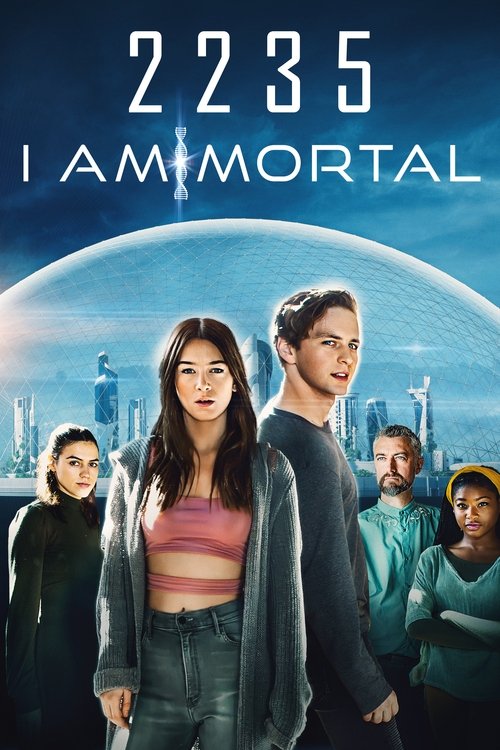









Popular
What is the significance of the character named Aiden in the story?
How does the society in 'I Am Mortal' view death and immortality?
What role does the character of Dr. Lila play in Aiden's journey?
What are the consequences faced by characters who choose to become immortal?
How does Aiden's relationship with his family influence his decisions throughout the film?
Should I watch it?
Ask Your Own Question

What is the plot?
Sorry, we aren't able to watch and write up a full detailed plot yet. Check back in a few days.








What is the ending?
In the ending of "I Am Mortal," the protagonist, a woman named Kira, confronts the reality of her existence in a world where immortality is the norm. After a series of intense confrontations and revelations, she ultimately chooses to embrace her mortality, leading to a significant transformation in her character and the world around her.
As the film reaches its climax, Kira stands in a stark, sterile environment, surrounded by the remnants of a society that has forsaken the natural cycle of life and death. The tension is palpable as she faces off against the powerful figures who have maintained this immortality at the cost of humanity's essence. In a moment of defiance, Kira rejects the offer of eternal life, choosing instead to accept her human limitations. This decision resonates deeply, symbolizing a return to the values of life, love, and the inevitability of death.
In the final scenes, Kira's choice sparks a ripple effect throughout the society. The once-immortal beings begin to experience the emotions and vulnerabilities they had long suppressed. The film concludes with Kira walking away from the sterile environment, embracing the beauty of life in its fleeting moments, while the world around her begins to change, hinting at a new beginning for humanity.
Now, let's delve into the ending in a more detailed, chronological narrative.
As the climax unfolds, Kira finds herself in a cold, metallic chamber, the heart of the organization that has perpetuated immortality. The walls are lined with screens displaying the faces of those who have chosen to live forever, their expressions devoid of warmth. Kira's heart races as she confronts the leader of this organization, a figure shrouded in authority and arrogance. He offers her the ultimate temptation: the chance to join the ranks of the immortal, to never feel pain, loss, or the passage of time.
Kira, however, is not swayed. Her journey has been one of self-discovery, and she has come to understand the value of mortality. As she stands before the leader, her voice trembles with conviction. She speaks of the beauty found in fleeting moments, the love that is deepened by the knowledge of its impermanence. The leader's expression shifts from smug confidence to disbelief as Kira firmly rejects his offer, declaring that life without death is a hollow existence.
In that moment, the atmosphere in the chamber shifts. The sterile environment seems to pulse with energy as Kira's words resonate. The other immortals, who have been watching the confrontation, begin to stir. They are visibly affected by Kira's passionate declaration. One by one, they start to question their own choices, their faces reflecting a mix of confusion and longing for the emotions they have suppressed for so long.
As Kira steps back from the leader, she feels a surge of empowerment. The leader, realizing he is losing control, attempts to reassert his dominance, but Kira stands firm. The tension escalates, and in a moment of desperation, the leader lunges at her, but Kira sidesteps, allowing him to stumble into the machinery that has sustained their immortality. The machines spark and whir, and the lights flicker ominously.
In the chaos that ensues, Kira makes her way to the exit, her heart pounding with a mix of fear and exhilaration. As she pushes through the doors, she is met with the outside world--a stark contrast to the sterile chamber. The sun shines brightly, illuminating the vibrant colors of nature. Kira takes a deep breath, feeling the warmth of the sun on her skin, a sensation she has longed for.
The final scenes depict the aftermath of Kira's choice. The once-immortal beings begin to experience the world anew. They laugh, cry, and embrace one another, their emotions flooding back as they rediscover what it means to be human. Kira watches from a distance, a smile breaking across her face as she sees the transformation taking place. The sterile environment behind her crumbles, symbolizing the collapse of the oppressive system that had denied them their humanity.
As the film draws to a close, Kira walks away from the chaos, her silhouette framed against the backdrop of a vibrant sunset. She embraces her mortality, understanding that life is precious precisely because it is finite. The screen fades to black, leaving the audience with a sense of hope and the promise of a new beginning for humanity, one where the cycle of life and death is embraced rather than feared.
In the end, Kira's fate is one of liberation and acceptance. She has chosen to live fully, embracing the beauty of life in all its impermanence. The other characters, once trapped in a cycle of immortality, are now free to experience the depth of human emotion, hinting at a brighter future for all.
Is there a post-credit scene?
In the movie "I Am Mortal," there is no post-credit scene. The film concludes its narrative without any additional scenes or content after the credits roll. The story wraps up with a focus on the central themes of mortality and the consequences of immortality, leaving the audience to reflect on the characters' journeys and the moral implications of their choices. The absence of a post-credit scene reinforces the film's contemplative tone, allowing viewers to fully absorb the emotional weight of the story as it ends.
What is the significance of the character named Aiden in the story?
Aiden is a central character who embodies the struggle between immortality and mortality. His journey reflects the emotional turmoil of living in a world where death is a choice rather than a certainty. Aiden's internal conflict is palpable as he grapples with the desire for connection and the fear of losing loved ones, making him a poignant representation of the human experience.
How does the society in 'I Am Mortal' view death and immortality?
In 'I Am Mortal', society has evolved to embrace immortality, viewing death as an outdated concept. This societal norm creates a stark contrast for characters like Aiden, who question the value of eternal life. The emotional weight of this societal perspective is felt throughout the film, as characters navigate their relationships and the implications of living forever.
What role does the character of Dr. Lila play in Aiden's journey?
Dr. Lila serves as both a mentor and a moral compass for Aiden. Her character is deeply invested in the ethical implications of immortality, often challenging Aiden's views. As she reveals her own struggles with the consequences of her work, her relationship with Aiden becomes a catalyst for his transformation, pushing him to confront his beliefs about life and death.
What are the consequences faced by characters who choose to become immortal?
Characters who opt for immortality in 'I Am Mortal' face profound emotional and psychological consequences. They experience isolation, as relationships with mortals become strained or severed. The film illustrates the loneliness that accompanies eternal life, showcasing moments of despair and longing that highlight the sacrifices made for the sake of immortality.
How does Aiden's relationship with his family influence his decisions throughout the film?
Aiden's relationship with his family is a driving force in his decision-making. His love for them and the pain of potentially outliving them creates a deep internal conflict. As he witnesses the aging and mortality of his loved ones, Aiden's emotional state fluctuates between despair and determination, ultimately shaping his choices regarding immortality and the value of human connections.
Is this family friendly?
"I Am Mortal," produced in 2021, is not considered family-friendly due to its themes and content. The film explores complex and mature topics surrounding mortality, identity, and the implications of immortality.
Potentially objectionable or upsetting aspects include:
- Violence: There are scenes depicting physical confrontations and the consequences of violence, which may be intense or graphic.
- Death and Mortality: The film delves into themes of death, loss, and the emotional weight of immortality, which could be distressing for younger viewers or sensitive individuals.
- Existential Themes: The narrative raises philosophical questions about life and existence that may be challenging for children to understand.
- Emotional Turmoil: Characters experience significant emotional struggles, including despair and conflict, which may be heavy for younger audiences.
Overall, the film's mature themes and emotional depth make it more suitable for adult viewers.