



Popular
How does the film depict the theme of sacrifice through its characters?
What motivates the main character, Sam, to embark on his journey in Kingdom of Dust?
How does the relationship between Sam and the local villagers evolve throughout the film?
What role does the character of the antagonist, Colonel Rourke, play in the story?
What significant event leads to a turning point in Sam's journey?
Should I watch it?
Ask Your Own Question

What is the plot?
Sorry, we aren't able to watch and write up a full detailed plot yet. Check back in a few days.




What is the ending?
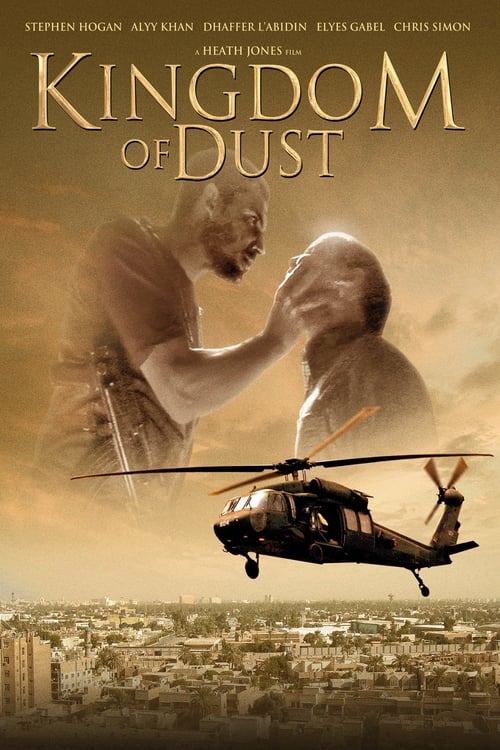
In the ending of "Kingdom of Dust," the protagonist, a journalist named Sam, confronts the harsh realities of war and the impact of his work. He faces a moral dilemma as he grapples with the consequences of his actions. The film concludes with a poignant reflection on the cost of truth and the personal sacrifices made in the pursuit of justice.
As the final act unfolds, the tension escalates. Sam, having uncovered a significant story about the corruption and violence surrounding the war, finds himself in a precarious situation. He is pursued by those who wish to silence him, leading to a series of harrowing encounters.
In a dimly lit alley, Sam is cornered by armed men who represent the oppressive forces he has been exposing. The atmosphere is thick with fear and desperation. Sam's heart races as he realizes the gravity of his situation; he is not just fighting for a story but for his life. The camera captures the sweat on his brow and the determination in his eyes as he weighs his options.
In a moment of clarity, Sam decides to confront his pursuers rather than flee. He stands tall, his voice steady as he challenges them, revealing the truth he has uncovered. This act of defiance is not just for himself but for the countless victims of the war whose stories have gone untold. The tension in the air is palpable, and the audience can feel the weight of his decision.
As the confrontation escalates, a gunshot rings out. The scene shifts to a chaotic struggle, with Sam fighting for his life. The cinematography captures the frantic movements, the close-ups of faces filled with rage and fear, and the stark reality of violence. In the midst of the chaos, Sam manages to escape, but not without sustaining injuries that leave him vulnerable.
The film then transitions to a quieter moment, where Sam, now wounded and weary, finds refuge in a safe house. Here, he reflects on the cost of his pursuit of truth. The camera lingers on his face, showcasing the emotional toll of his experiences. He understands that the stories he tells have real consequences, and the weight of those stories begins to settle heavily on his shoulders.
In the final scenes, Sam is seen typing away at his laptop, the glow of the screen illuminating his determined expression. He is committed to sharing the truth, despite the risks involved. The film closes with a shot of him looking out at the horizon, a mixture of hope and despair in his eyes. He knows that the fight for justice is far from over, and he is prepared to continue his journey, no matter the cost.
The fates of the main characters are intertwined with the themes of sacrifice and resilience. Sam emerges as a changed man, deeply affected by the realities of war and the stories he has uncovered. His journey reflects the struggles of those who seek to bring light to darkness, and the film leaves the audience with a lingering sense of the ongoing battle for truth in a world filled with chaos.
Is there a post-credit scene?
"Kingdom of Dust," produced in 2011, does not feature a post-credit scene. The film concludes its narrative without any additional scenes or content after the credits roll. The story wraps up with a focus on the main characters and their journeys, leaving the audience with a sense of closure regarding the events that transpired throughout the film.
How does the film depict the theme of sacrifice through its characters?
Sacrifice is depicted through various characters, particularly in the choices they make to protect one another. Sam's willingness to risk his life for the villagers showcases his transformation from a man consumed by grief to one who finds purpose in selflessness. Additionally, other characters, such as the village elder, demonstrate their commitment to their community by putting themselves in harm's way, highlighting the emotional weight of their sacrifices.
What motivates the main character, Sam, to embark on his journey in Kingdom of Dust?
Sam is driven by a deep sense of loss and a quest for redemption. After the tragic death of his wife, he feels a profound emptiness and guilt, believing that he must confront his past mistakes and find a way to honor her memory. This internal struggle propels him into the heart of the conflict in the film.
How does the relationship between Sam and the local villagers evolve throughout the film?
Initially, the villagers are wary of Sam, viewing him as an outsider. However, as he begins to help them with their struggles against external threats, they start to see him as an ally. This transformation is marked by moments of shared hardship and mutual respect, culminating in a bond that reflects themes of trust and community.
What role does the character of the antagonist, Colonel Rourke, play in the story?
Colonel Rourke serves as the primary antagonist, representing the oppressive forces that threaten the villagers' way of life. His ruthless pursuit of power and control creates a palpable tension throughout the film, as he seeks to exploit the land and its people for his own gain. Rourke's motivations are rooted in greed and a desire for dominance, making him a formidable foe for Sam.
What significant event leads to a turning point in Sam's journey?
A significant turning point occurs when Sam witnesses the brutal treatment of the villagers by Colonel Rourke's men. This moment ignites a fire within him, transforming his personal quest into a fight for justice. It marks the shift from a solitary journey of redemption to a collective struggle against oppression, solidifying his role as a leader among the villagers.
Is this family friendly?
"Kingdom of Dust," produced in 2011, is a film that delves into themes of war, survival, and the impact of conflict on individuals and families. While it presents a compelling narrative, it contains several elements that may not be suitable for children or sensitive viewers.
-
Violence and Conflict: The film portrays scenes of war and violence, including gunfire and explosions, which may be distressing for younger audiences.
-
Death and Loss: Characters experience significant loss, including the death of loved ones, which can evoke strong emotional responses.
-
Emotional Turmoil: The characters undergo intense emotional struggles, including fear, grief, and despair, which may be heavy for sensitive viewers.
-
Depictions of Suffering: There are scenes that depict the harsh realities of life in a war-torn environment, including poverty and suffering, which may be upsetting.
-
Mature Themes: The film explores complex themes such as betrayal, survival, and moral dilemmas in the face of conflict, which may be difficult for younger audiences to fully grasp.
Overall, while "Kingdom of Dust" offers a poignant narrative, its content may not be appropriate for all viewers, particularly children or those who are sensitive to themes of violence and loss.