










Popular
What role does Ultima play in Antonio's life throughout the film?
How does Antonio's relationship with his family influence his character development?
What significance do the dreams and visions have for Antonio?
How does the character of Tenorio represent the theme of vengeance in the story?
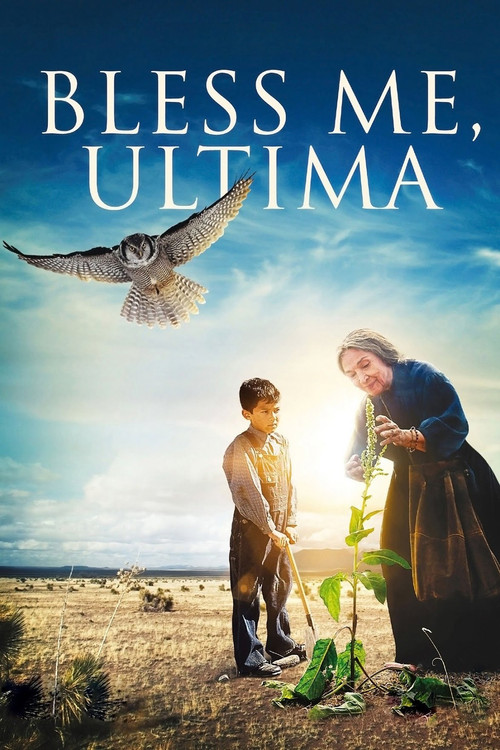
What is the significance of the owl in Ultima's character and the story?
Should I watch it?
Ask Your Own Question

What is the plot?
Sorry, we aren't able to watch and write up a full detailed plot yet. Check back in a few days.






What is the ending?
In the ending of "Bless Me, Ultima," Antonio experiences a profound transformation as he grapples with his identity and the loss of his mentor, Ultima. After Ultima's death, Antonio finds solace in the lessons she imparted, ultimately embracing his own path and understanding the complexities of life.
As the film draws to a close, Antonio stands by Ultima's grave, reflecting on her teachings and the spiritual journey he has undertaken. He acknowledges the duality of his heritage and the importance of both his Mexican and American identities. The film ends with a sense of hope and acceptance as Antonio begins to forge his own destiny.
As the final scenes of "Bless Me, Ultima" unfold, we find ourselves in the quiet aftermath of Ultima's passing. The air is heavy with grief, and the landscape of New Mexico, with its vast skies and rolling hills, serves as a poignant backdrop to Antonio's emotional turmoil.
Antonio, still a young boy, is deeply affected by the loss of Ultima, the curandera who had been a guiding force in his life. Her death marks a significant turning point for him, as he grapples with the weight of her teachings and the spiritual legacy she leaves behind. The scene shifts to Ultima's funeral, where family and friends gather to pay their respects. The somber atmosphere is palpable, and Antonio feels the loss acutely, as if a part of him has been taken away.
In the days following the funeral, Antonio finds himself wandering the familiar landscapes of his childhood, seeking solace in the memories of Ultima. He recalls the lessons she taught him about the interconnectedness of life, the importance of understanding both the light and dark aspects of existence. As he walks through the fields, he reflects on the stories she shared, the wisdom she imparted, and the love she enveloped him in.
One pivotal moment occurs when Antonio visits Ultima's grave. The camera captures his small figure against the vastness of the New Mexican sky, symbolizing his feelings of isolation and confusion. He kneels by her grave, tears streaming down his face, and speaks to her as if she can hear him. In this moment, he expresses his fears and uncertainties about his identity, his family, and the future that lies ahead.
As he stands up, a sense of resolve begins to wash over him. He recalls the lessons of the owl, the spirit that Ultima had entrusted to him, and he understands that she will always be a part of him. The film emphasizes the importance of memory and legacy, as Antonio realizes that he carries Ultima's spirit within him.
The final scenes depict Antonio's acceptance of his dual heritage. He acknowledges the complexities of his identity as both a Mexican and an American, and he begins to embrace the idea that he can forge his own path. The imagery of the landscape shifts to brighter tones, symbolizing hope and renewal.
In the closing moments, Antonio walks away from the grave, a newfound determination in his step. He is no longer just a boy caught between worlds; he is a young man ready to embrace the future, armed with the wisdom of Ultima. The film concludes with a sense of continuity, as Antonio's journey is just beginning, and the lessons of love, loss, and identity will guide him forward.
The fates of the main characters are intertwined with this theme of growth and acceptance. Antonio's parents, Gabriel and Maria, continue to navigate their own struggles, but they find strength in their family bonds. The film leaves viewers with a sense of hope for Antonio's future, as he steps into a world that is both challenging and full of possibilities, forever influenced by the spirit of Ultima.
Is there a post-credit scene?
The movie "Bless Me, Ultima," produced in 2013, does not have a post-credit scene. The film concludes with a poignant ending that encapsulates the journey of the protagonist, Antonio Marez, and his relationship with Ultima, the curandera. The narrative wraps up with Antonio reflecting on his experiences and the lessons he has learned, emphasizing themes of identity, spirituality, and the struggle between different cultural beliefs. The absence of a post-credit scene allows the audience to fully absorb the emotional weight of the story as it concludes.
What role does Ultima play in Antonio's life throughout the film?
Ultima serves as a spiritual guide and mentor to Antonio, helping him navigate the complexities of his childhood and the cultural conflicts he faces. She introduces him to the world of curanderismo, the healing arts, and teaches him about the interconnectedness of life, nature, and spirituality.
How does Antonio's relationship with his family influence his character development?
Antonio's relationship with his family, particularly his mother and father, deeply influences his identity and internal conflicts. His mother's strong desire for him to become a priest contrasts with his father's wish for him to embrace a more traditional, masculine role, creating a tension that Antonio struggles with throughout the film.
What significance do the dreams and visions have for Antonio?
Antonio's dreams and visions serve as a reflection of his inner turmoil and his quest for understanding. They often symbolize his fears, desires, and the cultural expectations placed upon him, providing insight into his emotional state and foreshadowing events in his life.
How does the character of Tenorio represent the theme of vengeance in the story?
Tenorio, a vengeful character who seeks to harm Ultima, embodies the darker aspects of human nature and the consequences of revenge. His actions create a palpable tension in the narrative, as he represents the conflict between good and evil that Antonio must confront.
What is the significance of the owl in Ultima's character and the story?
The owl is a powerful symbol of Ultima's spirit and her connection to the natural world. It represents wisdom, protection, and the mystical elements of her curandera practices. The owl's presence throughout the film signifies Ultima's guidance and the importance of nature in Antonio's journey.
Is this family friendly?
"Bless Me, Ultima," produced in 2013, is a coming-of-age film that explores themes of cultural identity, spirituality, and the transition from childhood to adulthood. While it is a poignant story, there are several elements that may be considered objectionable or upsetting for children or sensitive viewers:
-
Death and Grief: The film includes scenes that deal with death, including the passing of family members and the emotional impact it has on the characters, particularly on the young protagonist, Antonio.
-
Violence: There are moments of violence depicted, including a scene involving a confrontation between characters that may be distressing.
-
Supernatural Elements: The presence of curanderismo (traditional healing) and spiritual themes may be unsettling for some viewers, particularly those unfamiliar with these concepts.
-
Family Conflict: The film portrays familial tensions and conflicts, particularly regarding differing beliefs and expectations, which may resonate with some viewers on an emotional level.
-
Cultural Struggles: The protagonist grapples with cultural identity and the expectations placed upon him, which may evoke feelings of confusion or sadness.
These elements contribute to the film's depth and emotional resonance but may not be suitable for all younger audiences or sensitive viewers.








