








































Popular
Who is the main character in Stonewall and what motivates him throughout the film?
What role does the Stonewall Inn play in Danny's journey?
How does Danny's relationship with his friends evolve throughout the film?
What events lead up to the Stonewall riots as depicted in the film?
How does the film portray the relationship between Danny and his family?
Should I watch it?
Ask Your Own Question

What is the plot?
Sorry, we aren't able to watch and write up a full detailed plot yet. Check back in a few days.








What is the ending?
In the ending of the movie "Stonewall," Danny, the protagonist, finds himself at the forefront of the Stonewall riots, embracing his identity and the fight for LGBTQ+ rights. The film culminates in a powerful moment of unity among the patrons of the Stonewall Inn as they stand up against the police. The riots mark a significant turning point in the LGBTQ+ movement, with Danny and his friends realizing the importance of their struggle for acceptance and equality.
As the film concludes, Danny is seen leading the charge, rallying the crowd to resist the police. The final scenes depict the aftermath of the riots, showcasing the beginning of a new era for the LGBTQ+ community, with Danny and his friends determined to continue the fight for their rights.
Expanding on the ending, the scene opens with the atmosphere inside the Stonewall Inn charged with tension. The police have arrived, and the patrons, including Danny, are filled with a mix of fear and defiance. Danny, who has been on a journey of self-discovery throughout the film, feels a surge of courage as he witnesses the injustices faced by his friends and the community.
As the police begin to make arrests, the crowd's anger boils over. Danny, alongside his friends, including the fierce and determined character of Laub, steps forward, urging others to stand up against the oppression. The camera captures the raw emotions on their faces--fear, anger, and a newfound sense of empowerment. The patrons begin to push back against the police, throwing objects and shouting in protest.
In a pivotal moment, Danny takes a stand, shouting for everyone to fight back. His voice resonates with the crowd, and they rally around him, united in their struggle. The scene is chaotic, filled with the sounds of shattering glass, shouting, and the clash between the police and the patrons. The cinematography captures the intensity of the moment, with close-ups of the characters' faces reflecting their determination and fear.
As the riots escalate, the police are overwhelmed by the sheer number of people fighting back. The scene shifts to show the camaraderie among the patrons, as they help each other and stand together against the oppressive forces. Danny's character arc culminates here; he has transformed from a scared young man into a leader, embodying the spirit of resistance.
The film then transitions to the aftermath of the riots. The streets are filled with debris, and the atmosphere is charged with a sense of victory and hope. Danny and his friends, including Laub and other key characters, gather together, their faces marked by exhaustion but also by a sense of accomplishment. They realize that this moment is just the beginning of a larger movement for LGBTQ+ rights.
In the final scenes, Danny reflects on the significance of what has just occurred. He understands that the fight for acceptance and equality is far from over, but he feels a renewed sense of purpose. The film closes with a montage of images showing the impact of the Stonewall riots on the LGBTQ+ community, hinting at the future struggles and victories that lie ahead.
The fates of the main characters are intertwined with this newfound sense of community. Danny, having embraced his identity and found his voice, is determined to continue fighting for his rights and those of others. Laub, who has been a fierce ally throughout, stands by Danny's side, ready to face whatever challenges come next. The film ends on a note of hope, emphasizing the importance of unity and resilience in the face of adversity.
Is there a post-credit scene?
The movie "Stonewall," produced in 2015, does not have a post-credit scene. The film concludes with a focus on the aftermath of the Stonewall riots and the impact they had on the LGBTQ+ rights movement. The final moments emphasize the significance of the events that took place in June 1969, showcasing the characters' resolve and the beginning of a larger fight for equality. The absence of a post-credit scene allows the film to leave viewers with a sense of reflection on the historical importance of the Stonewall uprising rather than introducing additional narrative elements.
Who is the main character in Stonewall and what motivates him throughout the film?
The main character in Stonewall is Danny Winters, a young gay man who moves to New York City in search of acceptance and a sense of belonging. His motivation is driven by his desire to find a community where he can be himself, especially after facing rejection from his family due to his sexual orientation.
What role does the Stonewall Inn play in Danny's journey?
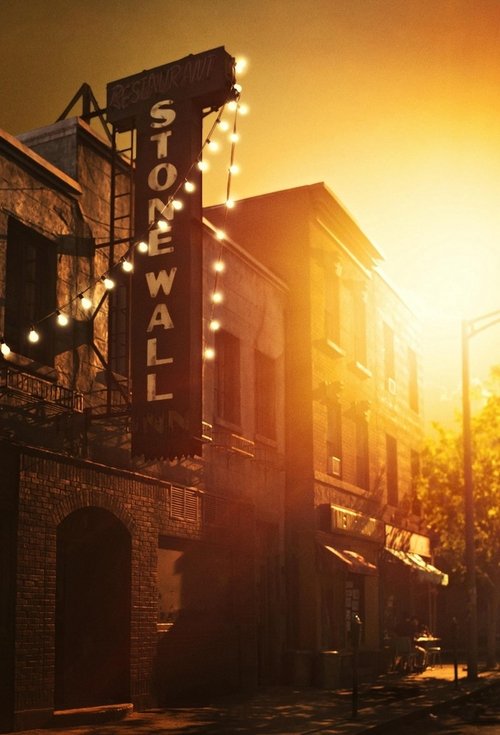
The Stonewall Inn serves as a pivotal location in Danny's journey, representing both a refuge and a battleground for LGBTQ rights. It is where he meets other characters who become significant in his life, and it symbolizes the struggle for acceptance and the fight against oppression that culminates in the historic riots.
How does Danny's relationship with his friends evolve throughout the film?
Danny's relationship with his friends, particularly with characters like Jonny and the drag queen Laub, evolves as they navigate the challenges of being part of the LGBTQ community in a hostile environment. Initially, Danny is somewhat naive, but as he experiences the harsh realities of discrimination and violence, he grows closer to his friends, finding solidarity and strength in their shared struggles.
What events lead up to the Stonewall riots as depicted in the film?
The film depicts a series of escalating tensions between the LGBTQ community and the police, culminating in the Stonewall riots. Key events include police raids on the Stonewall Inn, the community's growing frustration with systemic oppression, and the personal experiences of Danny and his friends that highlight the injustices they face, ultimately leading to the explosive confrontation on the night of the riots.
How does the film portray the relationship between Danny and his family?
The film portrays a strained relationship between Danny and his family, particularly with his father, who disapproves of his sexuality. This familial rejection deeply affects Danny, fueling his desire to find acceptance within the LGBTQ community. The emotional turmoil of being cut off from his family contrasts sharply with the sense of belonging he seeks at Stonewall.
Is this family friendly?
The movie "Stonewall," produced in 2015, contains several elements that may not be suitable for children or sensitive viewers. Here are some potentially objectionable or upsetting aspects:
-
Violence and Police Brutality: The film depicts scenes of violence, including confrontations between the police and the LGBTQ+ community, which may be distressing.
-
Homophobia and Discrimination: There are instances of verbal and physical abuse directed at LGBTQ+ individuals, showcasing the harsh realities of discrimination during the time period.
-
Substance Use: Characters are shown using drugs and alcohol, which may not be appropriate for younger audiences.
-
Sexual Content: The film includes scenes that portray sexual relationships and suggestive situations, which may be considered inappropriate for children.
-
Emotional Turmoil: Characters experience significant emotional struggles, including feelings of isolation, fear, and anger, which could be upsetting for sensitive viewers.
These elements contribute to the film's mature themes and may not be suitable for a family-friendly viewing experience.








