





Loading additional questions...
Popular
What is the significance of the title 'Word is Bond' in relation to the characters' relationships?
How does the film portray the struggles of the featured artists in their careers?
What role does the city of Los Angeles play in the narrative of 'Word is Bond'?
How do the personal stories of the artists intersect with broader social issues?
What are the key moments that define the character development of the featured artists?
Should I watch it?
Ask Your Own Question

What is the plot?
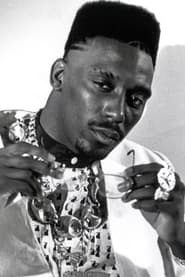
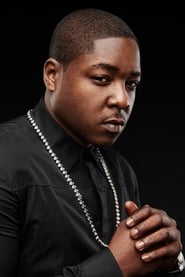
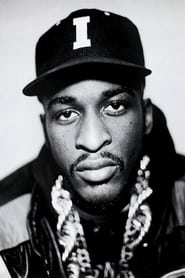
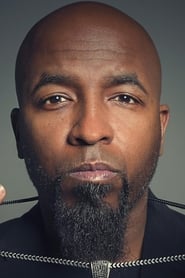
Word Is Bond (2017) is not a conventional narrative film, so there is no cast of fictional characters to follow through deaths, betrayals, or a final showdown. Instead, it unfolds as a hip-hop documentary in which Sacha Jenkins explores the power of lyrics and the culture of MCs, lyricists, and rappers through archival footage and interviews with artists such as Nas, Tech N9ne, J. Cole, Rapsody, Anderson .Paak, Rakim, and Big Daddy Kane.
The documentary opens by framing its central idea in plain terms: what you say, and how you say it, matters. From there, it moves through hip-hop history and performance philosophy, treating lyricism as both craft and identity. Rather than building toward a traditional plot twist, it builds argument by accumulation, cutting between artists speaking about rhyme, technique, and authenticity, and using archival material to show how the language of hip-hop spreads from its South Bronx roots into regional dialects around the world.
The film's energy comes from these conversations and from the contrast between generations. Jenkins threads together veteran voices and contemporary artists, showing that the art form remains alive because each era reshapes it without severing its connection to the street-level ingenuity that birthed it. The visuals reportedly include dynamic archival footage, in-depth interviews, and verité excursions, plus animated pencil-sketch sequences that add motion and texture to the discussion of bars, cadence, and style.
As the documentary continues, it broadens from celebration into explanation, touching on the difference between MCs, lyricists, and rappers, and on the pressure to remain sharp in a landscape increasingly driven by hooks, image, and streaming culture. The film's tension is intellectual rather than violent: it asks whether lyricism can stay central in mainstream hip-hop, and it answers by presenting artists who still treat language as the core of the music. There are no on-screen deaths, murders, or fatal confrontations in the film's structure, and no plot revelation of the kind found in fictional thrillers.
The later sections deepen the sense that Word Is Bond is less a history lesson than a living argument. Artists describe the discipline behind writing, the importance of local voice, and the way regional styles become globally recognizable once they are heard and repeated. The documentary closes not with a dramatic twist but with confirmation of its thesis: hip-hop's verbal artistry remains powerful because it keeps mutating while honoring its origins.
The final feeling is one of respect rather than resolution in the dramatic sense. The movie ends as a tribute to lyricism, leaving the impression that the bond in the title refers to the agreement between artist and listener, and to the shared language that lets hip-hop travel from one place and generation to the next.
More Movies Like This
Browse All Movies →



What is the ending?
Is there a post-credit scene?
What is the significance of the title 'Word is Bond' in relation to the characters' relationships?
The title 'Word is Bond' reflects the deep connections and promises made between the characters, particularly in the context of loyalty and trust within the hip-hop community. It emphasizes how the characters' words and commitments shape their identities and relationships.
How does the film portray the struggles of the featured artists in their careers?
The film showcases the artists' struggles through personal interviews and performances, highlighting their battles with self-doubt, societal expectations, and the pressures of the music industry. Each artist shares their journey, revealing the emotional weight of their aspirations and the sacrifices they make.
What role does the city of Los Angeles play in the narrative of 'Word is Bond'?
Los Angeles serves as a vibrant backdrop that influences the artists' stories. The city's diverse culture, street art, and music scene are depicted as both a source of inspiration and a challenging environment, reflecting the duality of opportunity and hardship faced by the artists.
How do the personal stories of the artists intersect with broader social issues?
The personal stories of the artists are intertwined with broader social issues such as systemic inequality, racial identity, and the impact of violence. Each artist's narrative sheds light on how these issues affect their lives and careers, creating a poignant commentary on the societal landscape.
What are the key moments that define the character development of the featured artists?
Key moments include pivotal performances, candid discussions about their pasts, and moments of vulnerability where they confront their fears and aspirations. These scenes reveal their growth, resilience, and the transformative power of music in their lives.








