
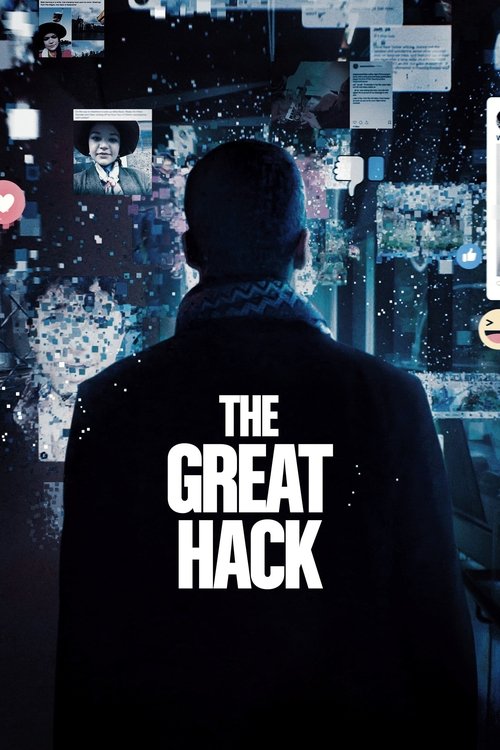







Popular
What role does Cambridge Analytica play in The Great Hack?
How does Brittany Kaiser’s character evolve throughout the film?
What is the significance of the 'data is the new oil' concept in the film?
How does the film portray the impact of social media on political campaigns?
What are the consequences faced by the individuals involved in the data scandal?
Should I watch it?
Ask Your Own Question

What is the plot?
Sorry, we aren't able to watch and write up a full detailed plot yet. Check back in a few days.
More Movies Like This
Browse All Movies →




What is the ending?
In the ending of "The Great Hack," the film culminates in a powerful exploration of the consequences of data exploitation in modern society. The documentary concludes with a sense of urgency about the need for awareness and regulation regarding personal data usage. Key figures like David Carroll, Brittany Kaiser, and others reflect on their experiences and the broader implications of data privacy.
As the film progresses towards its conclusion, we see David Carroll, a professor and data rights advocate, continuing his fight for transparency in data usage. He reflects on his journey to reclaim his data from Cambridge Analytica, emphasizing the importance of individual rights in the digital age. Brittany Kaiser, a former employee of Cambridge Analytica, grapples with her past decisions and the ethical implications of her work. She ultimately becomes an advocate for data rights, sharing her story to raise awareness about the dangers of data manipulation.
The film ends with a montage of news clips and social media posts, illustrating the ongoing impact of data exploitation on democracy and personal freedoms. It leaves viewers with a call to action, urging them to take control of their data and understand the power dynamics at play in the digital landscape.
As the final scenes of "The Great Hack" unfold, the narrative shifts to David Carroll, who has been on a relentless quest to reclaim his personal data from Cambridge Analytica. The screen shows him sitting in front of a computer, his face illuminated by the glow of the screen, a mixture of determination and frustration etched across his features. He recalls the moment he first realized the extent of data manipulation and how it could influence elections and public opinion. The camera zooms in on his eyes, reflecting a deep sense of responsibility and urgency.
Next, we transition to Brittany Kaiser, who is now fully aware of the ramifications of her past work at Cambridge Analytica. The film captures her in a candid moment, speaking to a group of activists about the ethical dilemmas she faced while working in data analytics. Her voice trembles slightly as she recounts her journey from a corporate employee to a whistleblower. The emotional weight of her decisions hangs heavily in the air, and the audience can sense her internal conflict as she seeks redemption for her past actions.
The narrative then shifts back to David, who is seen attending a hearing where he presents his case about data rights. The tension in the room is palpable as he passionately argues for the need for regulations to protect individuals from data exploitation. The camera captures the reactions of the audience, some nodding in agreement, while others appear skeptical. David's resolve is unwavering, and his commitment to advocating for data rights shines through as he speaks with conviction.
As the film nears its conclusion, we see a montage of various news clips and social media posts highlighting the ongoing discussions about data privacy and the impact of social media on democracy. The visuals are fast-paced, creating a sense of urgency and chaos, reflecting the overwhelming nature of the digital landscape. The screen fills with headlines about elections influenced by data manipulation, and the viewer is left to ponder the implications of these events.
In the final moments, the film returns to Brittany, who is now actively involved in raising awareness about data rights. She stands in front of a crowd, her voice strong and clear as she urges people to take control of their data. The camera captures the faces of the audience, a mix of concern and determination, as they listen intently to her message. The emotional resonance of her journey from complicity to advocacy is palpable, and it serves as a powerful reminder of the potential for change.
The film concludes with a stark reminder of the ongoing battle for data rights, leaving viewers with a sense of urgency to engage with the issues presented. The final shot lingers on David and Brittany, both transformed by their experiences, embodying the fight for transparency and accountability in the digital age. Their fates are intertwined with the larger narrative of data exploitation, and they emerge as advocates for change, urging society to recognize the power of personal data and the importance of protecting individual rights.
Is there a post-credit scene?
The Great Hack does not have a post-credit scene. The documentary concludes with a powerful exploration of the implications of data privacy and the influence of social media on democracy, leaving viewers with a sense of urgency about the ongoing issues surrounding data exploitation and the need for accountability in the digital age. The film wraps up its narrative without any additional scenes after the credits.
What role does Cambridge Analytica play in The Great Hack?
Cambridge Analytica is depicted as a central figure in The Great Hack, showcasing its involvement in data harvesting and political campaigning. The film details how the company utilized personal data from millions of Facebook users to create psychological profiles, which were then used to target voters with tailored political advertisements during the 2016 U.S. presidential election and the Brexit referendum.
How does Brittany Kaiser’s character evolve throughout the film?
Brittany Kaiser starts as a data strategist for Cambridge Analytica, initially believing in the power of data to influence political outcomes. As the film progresses, she experiences a moral awakening, grappling with the ethical implications of her work. Her internal conflict culminates in her decision to become a whistleblower, revealing the company's practices and advocating for data rights.
What is the significance of the 'data is the new oil' concept in the film?
The phrase 'data is the new oil' is used to illustrate the immense value of personal data in the digital age. The film emphasizes how companies like Cambridge Analytica exploit this data to manipulate public opinion and influence elections, highlighting the commodification of personal information and the ethical dilemmas surrounding its use.
How does the film portray the impact of social media on political campaigns?
The Great Hack illustrates the profound impact of social media on political campaigns by showcasing how targeted advertising can sway public opinion. It presents case studies, including the Trump campaign and Brexit, demonstrating how data-driven strategies on platforms like Facebook can create echo chambers and polarize voters, ultimately affecting democratic processes.
What are the consequences faced by the individuals involved in the data scandal?
The film reveals various consequences faced by individuals involved in the data scandal, including legal repercussions and public backlash. Key figures, such as Brittany Kaiser and others, confront the fallout of their actions, with Kaiser facing scrutiny and the burden of her past decisions, while the broader implications for democracy and privacy rights are also explored.
Is this family friendly?
The Great Hack is a documentary that delves into the complex world of data privacy, social media manipulation, and the impact of technology on democracy. While it is not explicitly designed for children, it does not contain graphic violence or explicit content. However, there are several aspects that may be objectionable or upsetting for children or sensitive viewers:
-
Themes of Manipulation: The film discusses how personal data is harvested and used to manipulate individuals' opinions and behaviors, which may be unsettling for younger viewers who may not fully grasp the implications.
-
Emotional Distress: Interviews with individuals affected by data misuse and political campaigns can evoke feelings of anxiety and concern about privacy and security.
-
Political Content: The documentary covers controversial political events and campaigns, which may be confusing or distressing for younger audiences.
-
Corporate Ethics: The film critiques the ethics of major tech companies, which may raise questions about trust and morality that could be heavy for sensitive viewers.
-
Real-World Consequences: The discussion of real-world consequences of data manipulation, including the impact on elections and personal lives, may be alarming for some.
Overall, while The Great Hack is informative and thought-provoking, its themes and discussions may not be suitable for all children or sensitive viewers.








