



Popular
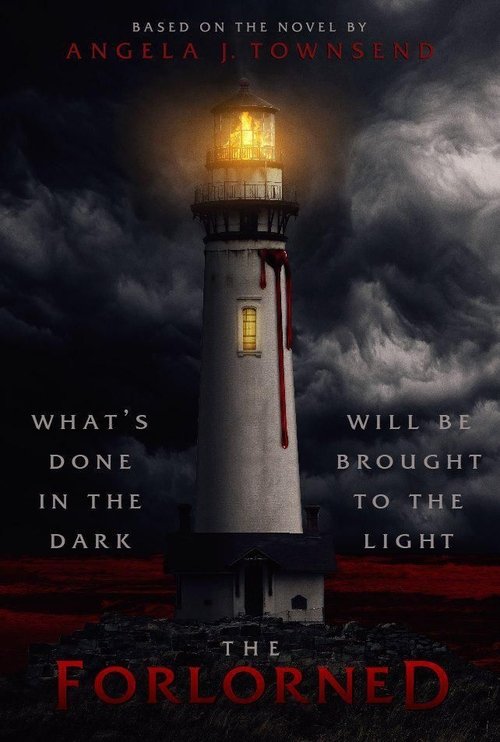
What is the significance of the house in The Forlorned?
How does the protagonist's relationship with her mother influence the story?
What role do the supernatural elements play in the character development?
How does the character of the antagonist contribute to the film's tension?
What is the significance of the protagonist's journey to uncover the truth?
Should I watch it?
Ask Your Own Question

What is the plot?
Sorry, we aren't able to watch and write up a full detailed plot yet. Check back in a few days.






What is the ending?
In the ending of "The Forlorned," the protagonist, a troubled man named John, confronts the supernatural forces haunting him and his family. After a series of harrowing events, he ultimately sacrifices himself to save his loved ones, leading to a resolution of the haunting. The film concludes with a sense of closure for the family, but it leaves lingering questions about the nature of the supernatural and the impact of grief.
As the climax of "The Forlorned" unfolds, we find John in a dimly lit room, the air thick with tension and despair. The atmosphere is heavy, filled with the echoes of past tragedies that have plagued his family. John, visibly shaken and desperate, has been grappling with the loss of his wife and the haunting presence that has tormented him and his children. His internal struggle is palpable; he is torn between the desire to protect his family and the overwhelming guilt that has consumed him since the tragedy.
In the next scene, John gathers his children, who are frightened and confused, in an attempt to reassure them. He speaks softly, his voice trembling, as he tries to instill a sense of safety amidst the chaos. The children, however, sense their father's turmoil, and their wide eyes reflect both fear and a flicker of hope. John's determination to confront the malevolent force that has invaded their lives is evident, and he prepares for a final showdown.
As night falls, the atmosphere grows increasingly sinister. Shadows dance across the walls, and the sound of whispers fills the air, heightening the tension. John leads his children to the heart of the haunting, a place where the supernatural presence is strongest. The room is dark, with flickering lights casting eerie shapes, and the air is charged with an unsettling energy. John's heart races as he feels the weight of his family's safety resting on his shoulders.
In a pivotal moment, John confronts the entity that has been tormenting them. The confrontation is intense, filled with emotional stakes as John battles not only the supernatural force but also his own demons. He recalls memories of his wife, the love they shared, and the pain of her loss. This emotional recollection fuels his resolve, and he realizes that he must make the ultimate sacrifice to protect his children.
As the climax reaches its peak, John makes a heart-wrenching decision. He chooses to confront the entity head-on, understanding that his sacrifice may be the only way to free his family from the grip of the haunting. In a powerful scene, he embraces his children one last time, tears streaming down his face as he reassures them that everything will be alright. The love he has for them is evident, and it serves as a poignant reminder of what he is fighting for.
In the final moments, John faces the entity with a fierce determination. The struggle is fierce, and the room is filled with a cacophony of sound as the supernatural force lashes out. John's sacrifice is both tragic and heroic; he channels all his love and strength into one final act of defiance. As he succumbs to the entity, a bright light envelops him, signifying his release and the end of the haunting.
The film concludes with a serene scene of John's children, now free from the terror that had haunted them. They stand together, holding hands, looking out at a sunrise that symbolizes hope and new beginnings. The emotional weight of their father's sacrifice hangs in the air, but there is a sense of peace as they begin to heal from their trauma. The camera lingers on their faces, capturing a mixture of sadness and relief, as they take their first steps toward a brighter future.
In the aftermath, the fate of each main character is clear. John has sacrificed himself, ensuring the safety of his children, who are left to navigate their grief and the memories of their father. The haunting has ended, but the emotional scars remain, serving as a reminder of the love and loss that shaped their lives. The film closes on a note of bittersweet resolution, leaving the audience to reflect on the themes of sacrifice, love, and the enduring impact of grief.
Is there a post-credit scene?
In the movie "The Forlorned," there is no post-credit scene. The film concludes its narrative without any additional scenes or content after the credits roll. The story wraps up with a focus on the emotional and psychological journey of the characters, leaving the audience with a sense of closure regarding the events that transpired throughout the film.
What is the significance of the house in The Forlorned?
The house in The Forlorned serves as a central character in itself, embodying the haunting past and the emotional turmoil of the characters. It is a dilapidated structure that holds the memories of tragedy and loss, particularly for the protagonist, who is drawn back to it in search of closure. The house's eerie atmosphere and the supernatural occurrences within its walls reflect the internal struggles of the characters, particularly the protagonist's guilt and grief.
How does the protagonist's relationship with her mother influence the story?
The protagonist's relationship with her mother is fraught with tension and unresolved issues, which significantly impacts her emotional journey throughout the film. As she confronts her mother's past and the secrets that have been buried, the protagonist grapples with feelings of betrayal and longing for understanding. This dynamic drives her to seek answers, ultimately leading to revelations that shape her identity and her ability to move forward.
What role do the supernatural elements play in the character development?
The supernatural elements in The Forlorned serve as catalysts for character development, particularly for the protagonist. As she encounters ghostly apparitions and experiences unsettling phenomena, these elements force her to confront her fears and unresolved emotions. The haunting experiences reflect her inner turmoil and push her towards self-discovery, ultimately leading to a deeper understanding of her past and her relationships.
How does the character of the antagonist contribute to the film's tension?
The antagonist in The Forlorned is a complex figure whose motivations are rooted in pain and vengeance. Their presence adds a layer of tension and conflict, as they embody the unresolved issues that plague the protagonist. The antagonist's actions create a sense of danger and urgency, driving the protagonist to confront her own fears and the dark history of the house. This conflict heightens the emotional stakes and propels the narrative forward.
What is the significance of the protagonist's journey to uncover the truth?
The protagonist's journey to uncover the truth is pivotal to the narrative, as it symbolizes her quest for healing and redemption. As she delves into the mysteries surrounding her family's past and the events that transpired in the house, she confronts her own guilt and the impact of her choices. This journey is not just about uncovering secrets; it is a transformative experience that allows her to reconcile with her past, ultimately leading to personal growth and a sense of closure.
Is this family friendly?
"The Forlorned," produced in 2017, is not considered family-friendly due to its themes and content. The film contains several potentially objectionable or upsetting aspects that may affect children or sensitive viewers:
- Supernatural Elements: The film involves ghosts and haunting, which may be frightening for younger audiences.
- Violence: There are scenes that depict violence and physical confrontations, which could be disturbing.
- Emotional Distress: Characters experience significant emotional turmoil, including grief and fear, which may be intense for some viewers.
- Dark Themes: The narrative explores themes of loss, despair, and the impact of past traumas, which may be heavy and unsettling.
- Tense Atmosphere: The overall tone of the film is suspenseful and eerie, creating a sense of dread that might be overwhelming for sensitive individuals.
These elements contribute to a viewing experience that may not be suitable for children or those who are easily disturbed.








