

Popular
What is Andrew Wakefield's primary motivation throughout the documentary?
How does the film depict the reactions of the medical community to Wakefield's claims?
What personal challenges does Andrew Wakefield face as a result of his controversial research?
How does the film portray the impact of Wakefield's work on parents of autistic children?
What role does the media play in shaping public perception of Wakefield and his research?
Should I watch it?
Ask Your Own Question

What is the plot?
Sorry, we aren't able to watch and write up a full detailed plot yet. Check back in a few days.
More Movies Like This
Browse All Movies →





What is the ending?
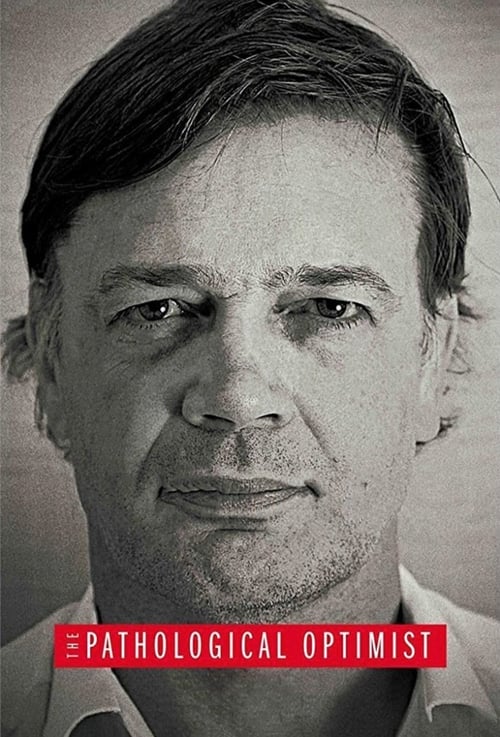
In the ending of "The Pathological Optimist," Andrew Wakefield faces the consequences of his controversial actions regarding the MMR vaccine and the autism debate. The film concludes with Wakefield's continued defense of his beliefs, despite the backlash and criticism he has received. The documentary leaves viewers with a sense of unresolved tension regarding the impact of his work on public health and the ongoing debate surrounding vaccines.
As the film approaches its conclusion, we see Andrew Wakefield in a series of interviews and public appearances. He remains steadfast in his belief that he is a champion for parental rights and health freedom. The camera captures his unwavering demeanor, even as he faces intense scrutiny from the medical community and the media.
In one poignant scene, Wakefield is shown speaking at a rally, where he is met with both support and opposition. The atmosphere is charged, with passionate voices on both sides of the vaccine debate. Wakefield's supporters cheer him on, believing he is fighting for their children's health, while critics express their anger and frustration, holding signs that denounce his actions and the misinformation they believe he spreads.
The film juxtaposes these public appearances with scenes of parents who have been affected by the autism epidemic, showcasing their emotional struggles and the weight of their decisions regarding vaccinations. The filmmakers highlight the deep divide in public opinion, illustrating how Wakefield's claims have fueled fear and distrust in vaccines, leading to a resurgence of preventable diseases.
As the credits roll, we see Wakefield continuing to advocate for his views, seemingly unrepentant and undeterred by the consequences of his actions. The film closes with a lingering sense of ambiguity about the future of public health and the ongoing debate over vaccines, leaving viewers to grapple with the implications of Wakefield's legacy.
In summary, the ending of "The Pathological Optimist" encapsulates the complex interplay of belief, conviction, and the far-reaching effects of one man's actions on society, particularly in the realm of health and safety.
Is there a post-credit scene?
The movie "The Pathological Optimist," directed by Miranda Bailey, does not feature a post-credit scene. The film concludes its narrative without any additional scenes or content after the credits roll. The focus remains on the exploration of Dr. Andrew Wakefield's controversial life and the impact of his actions on public health, particularly regarding the vaccine-autism debate. The film wraps up with a poignant reflection on the consequences of his beliefs and the polarized reactions from both supporters and detractors, leaving viewers to ponder the complexities of truth and belief in the face of scientific discourse.
What is Andrew Wakefield's primary motivation throughout the documentary?
Andrew Wakefield's primary motivation throughout 'The Pathological Optimist' is to defend his reputation and research regarding the MMR vaccine and its alleged link to autism. He is portrayed as a controversial figure who believes he is fighting for the rights of parents and children, insisting that he is seeking the truth about vaccine safety despite the backlash he faces from the medical community.
How does the film depict the reactions of the medical community to Wakefield's claims?
The film depicts the medical community's reactions to Wakefield's claims as overwhelmingly critical and hostile. Interviews with various medical professionals highlight their concerns about the potential dangers of his research, emphasizing the consensus that his findings are not supported by credible evidence. This creates a stark contrast between Wakefield's optimism and the skepticism of the scientific community.
What personal challenges does Andrew Wakefield face as a result of his controversial research?
As a result of his controversial research, Andrew Wakefield faces significant personal challenges, including the loss of his medical license, public vilification, and strained relationships with colleagues and family. The film captures his emotional turmoil as he grapples with the consequences of his actions, showcasing moments of vulnerability and determination to continue his advocacy despite the fallout.
How does the film portray the impact of Wakefield's work on parents of autistic children?
The film portrays the impact of Wakefield's work on parents of autistic children as deeply complex. Some parents express hope and gratitude for Wakefield's advocacy, feeling validated in their concerns about vaccines. However, the film also highlights the division and fear his claims have caused within the community, illustrating the emotional struggle of parents caught between conflicting information about vaccine safety and autism.
What role does the media play in shaping public perception of Wakefield and his research?
The media plays a significant role in shaping public perception of Wakefield and his research, as the film illustrates how sensationalized reporting can amplify controversy. Clips from news segments and interviews show how the media's portrayal of Wakefield oscillates between presenting him as a heroic whistleblower and a dangerous fraud, influencing public opinion and fueling the debate over vaccine safety.
Is this family friendly?
"The Pathological Optimist" is a documentary that explores the life and controversies surrounding Andrew Wakefield, the former doctor known for his discredited research linking vaccines to autism. While the film primarily focuses on his perspective and the impact of his actions, there are several aspects that may be objectionable or upsetting for children or sensitive viewers.
-
Discussion of Vaccines and Autism: The film delves into the contentious debate surrounding vaccines and their alleged connection to autism, which may be distressing for viewers concerned about health and safety.
-
Emotional Struggles: There are scenes that depict Wakefield's emotional turmoil, including moments of public backlash and personal conflict, which may be intense for some viewers.
-
Public Protests and Backlash: The film includes footage of protests against Wakefield, showcasing the anger and fear of parents and activists, which can be unsettling.
-
Personal Consequences: Wakefield faces significant personal and professional consequences due to his actions, including loss of reputation and legal challenges, which may evoke feelings of discomfort or sadness.
-
Controversial Opinions: The film presents various viewpoints on the vaccine debate, which may include strong opinions that could be upsetting to those with differing beliefs.
Overall, while the film is not explicitly graphic or violent, its themes and discussions may not be suitable for younger audiences or those sensitive to topics surrounding health and parental fears.








