















Popular
What is the relationship between Mary Katherine 'Merricat' Blackwood and her sister Constance?
What role does the Blackwood family history play in the story?
How does Merricat's magical thinking influence her actions throughout the film?
What is the significance of the arrival of Charles Blackwood?
How does the community's perception of the Blackwood sisters affect their lives?
Should I watch it?
Ask Your Own Question

What is the plot?
Sorry, we aren't able to watch and write up a full detailed plot yet. Check back in a few days.







What is the ending?
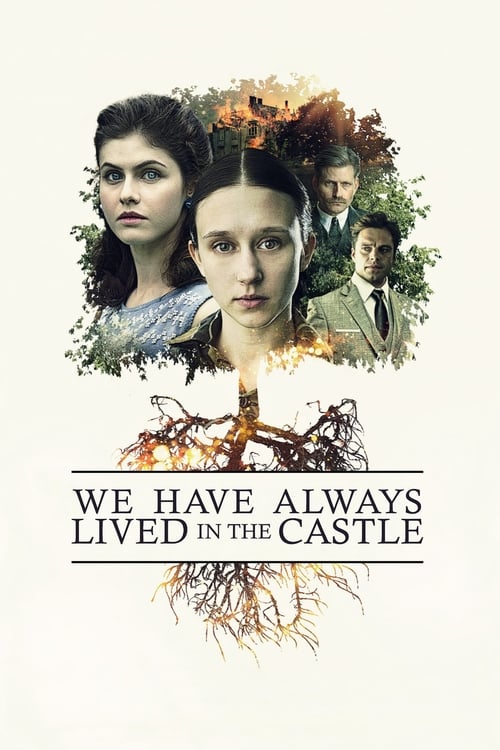
In the ending of "We Have Always Lived in the Castle," Mary Katherine "Merricat" Blackwood and her sister Constance face the consequences of their isolated life after a fire destroys their home. The film concludes with Merricat and Constance embracing their new reality, having eliminated the threats to their existence, and finding solace in their bond.
As the final act unfolds, the tension escalates. The townspeople, fueled by their hatred and suspicion of the Blackwood sisters, gather outside the Blackwood estate, their anger palpable. Merricat, who has always been protective of her sister, feels the weight of their hostility. The sisters are trapped in their home, which has become a fortress of their own making, yet it is also a prison.
In a pivotal scene, the house is set ablaze, engulfing the structure in flames. Merricat watches the fire with a mix of horror and relief, as it symbolizes the destruction of their past and the oppressive world outside. Constance, who has always been more fragile and dependent on Merricat, stands by her side, embodying a sense of resignation and acceptance of their fate.
As the fire consumes the house, the sisters retreat to a small, hidden space in the garden, a sanctuary that has always been their refuge. Here, they find a moment of peace amidst the chaos. Merricat, with her unwavering determination, reassures Constance that they will be safe together, away from the prying eyes of the townspeople. Their bond is strengthened in this moment of crisis, showcasing the depth of their relationship.
In the aftermath of the fire, the sisters emerge from the ruins of their home, now transformed into a symbol of their defiance. The townspeople, witnessing the destruction, are left in shock, their plans to confront the sisters thwarted. Merricat and Constance, now free from the constraints of their former life, embrace their new existence, finding comfort in their isolation.
The film concludes with the sisters sitting together in the remnants of their garden, a place that has always held significance for them. They share a quiet moment, reflecting on their journey and the choices they have made. Merricat, with a sense of finality, declares that they will always be together, reinforcing the theme of their unbreakable bond.
In this ending, Merricat and Constance have not only survived but have also carved out a new identity for themselves, one that is defined by their love for each other rather than the judgment of the outside world. The fate of the sisters is one of solitude, but it is a solitude they have chosen together, free from the threats that once loomed over them.
Is there a post-credit scene?
The movie "We Have Always Lived in the Castle," produced in 2019, does not contain a post-credit scene. The film concludes with a powerful and haunting ending that encapsulates the themes of isolation, family loyalty, and the consequences of societal judgment. After the climactic events unfold, the story leaves the audience with a lingering sense of unease and reflection on the characters' fates, without any additional scenes or content after the credits.
What is the relationship between Mary Katherine 'Merricat' Blackwood and her sister Constance?
Merricat and Constance Blackwood share a deeply intertwined relationship marked by both affection and dependency. Merricat, the younger sister, is fiercely protective of Constance, who is more reserved and fragile. Their bond is rooted in their shared trauma from the family tragedy that led to the deaths of their parents and brother. Merricat often acts as the more dominant personality, using her magical thinking and rituals to create a sense of safety around their isolated life. Constance, on the other hand, is nurturing and serves as a caretaker, embodying a sense of normalcy amidst their eccentric existence.
What role does the Blackwood family history play in the story?
The Blackwood family history is central to the narrative, as it sets the stage for the sisters' isolation and the community's disdain. Years prior, a poisoning incident resulted in the deaths of their family members, leading to the sisters being ostracized by the townspeople. This tragic event haunts Merricat and Constance, shaping their lives and their perception of the outside world. The family's dark legacy creates an atmosphere of mystery and fear, influencing Merricat's protective rituals and Constance's reclusive nature.
How does Merricat's magical thinking influence her actions throughout the film?
Merricat's magical thinking is a coping mechanism that reflects her desire for control and safety in a chaotic world. She believes in the power of her rituals, such as burying objects to ward off danger and casting spells to protect her sister and their home. This belief drives her actions, leading her to take extreme measures to maintain their secluded lifestyle. Her magical thinking also reveals her inner turmoil and fear of losing Constance, as she clings to these rituals to keep their fragile world intact.
What is the significance of the arrival of Charles Blackwood?
Charles Blackwood's arrival serves as a catalyst for the unraveling of the sisters' isolated existence. He is charming and manipulative, representing a threat to the delicate balance of their lives. His interest in Constance and his attempts to integrate himself into their household create tension, as Merricat perceives him as a danger to their bond. Charles's presence forces Merricat to confront her fears and insecurities, ultimately leading to a clash that reveals the depths of her protective instincts and the lengths she will go to preserve their way of life.
How does the community's perception of the Blackwood sisters affect their lives?
The community's perception of the Blackwood sisters is overwhelmingly negative, branding them as outcasts and fueling their isolation. The townspeople harbor a mix of fear, suspicion, and disdain, stemming from the tragic events surrounding the Blackwood family. This societal rejection deeply impacts Merricat and Constance, reinforcing their reclusive lifestyle and heightening their paranoia. The sisters' interactions with the community are fraught with tension, as they navigate the hostility and judgment that define their existence, ultimately leading to a violent confrontation that underscores their vulnerability.
Is this family friendly?
"We Have Always Lived in the Castle," produced in 2019, is not considered family-friendly due to its dark themes and unsettling atmosphere. Here are some potentially objectionable or upsetting aspects that may affect children or sensitive viewers:
-
Death and Murder: The film involves themes of death, including the aftermath of a family tragedy and discussions surrounding murder, which may be distressing.
-
Isolation and Mental Health: The characters experience significant isolation and display signs of mental health struggles, which could be unsettling for some viewers.
-
Violence: There are scenes that depict violence, including a confrontation that leads to a character being harmed.
-
Creepy Atmosphere: The overall tone of the film is eerie and unsettling, with a pervasive sense of dread that may be uncomfortable for younger audiences.
-
Family Dynamics: The complex and often toxic relationships within the family can be disturbing, particularly the protective and obsessive behavior exhibited by the main characters.
These elements contribute to a tense and dark narrative that may not be suitable for children or those sensitive to such themes.






