





Popular
What is the significance of the rose in the story?
What curse was placed on the Beast and why?
How does Belle's relationship with her father, Maurice, influence her character?
What role does Gaston play in the story, and what are his motivations?
How does Belle's view of the Beast change throughout the film?
Should I watch it?
Ask Your Own Question

What is the plot?
Sorry, we aren't able to watch and write up a full detailed plot yet. Check back in a few days.
What is the ending?
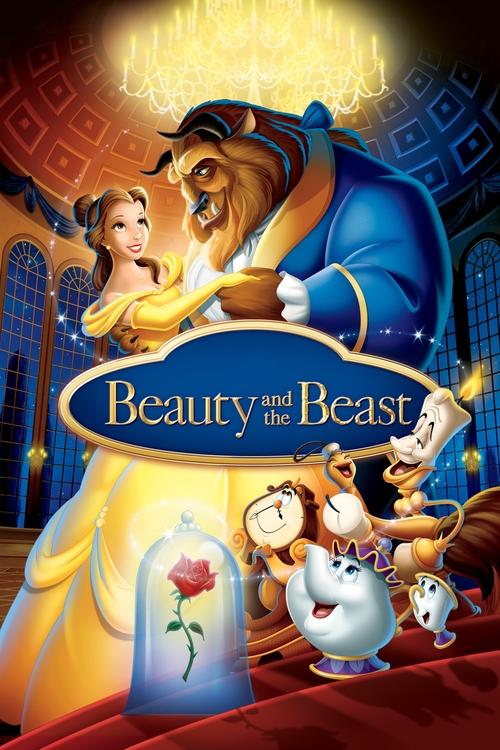
In the ending of the 1992 animated film "Beauty and the Beast," Belle realizes her love for the Beast just as he is dying from a broken heart. Her declaration of love breaks the curse, transforming the Beast back into a prince. The enchanted objects regain their human forms, and the castle is restored. Belle and the prince share a romantic dance, symbolizing their newfound love and happiness.
Now, let's delve into the ending in a more detailed, chronological narrative.
As the climax of the story unfolds, Belle rushes back to the Beast's castle after realizing she loves him. She arrives just in time to see Gaston, the arrogant villager, attacking the Beast. In a fierce struggle, Gaston stabs the Beast, who is gravely wounded. The Beast, heartbroken and defeated, collapses on the ground, his spirit seemingly fading away. Belle kneels beside him, tears streaming down her face, and she desperately confesses her love for him.
In that moment, a magical light envelops the Beast, and the curse that had transformed him into a creature begins to break. As Belle's heartfelt declaration resonates, the enchantment lifts, and the Beast is transformed back into a handsome prince. The castle, once dark and cursed, is illuminated with vibrant colors, and the enchanted objects--Lumière, Cogsworth, Mrs. Potts, and Chip--are restored to their human forms, rejoicing in their regained humanity.
The scene shifts to the grand ballroom of the castle, where Belle and the prince share a tender moment. They dance together, surrounded by the warmth of love and acceptance. The atmosphere is filled with joy and celebration, symbolizing the triumph of love over adversity. The prince, now free from the curse, expresses his gratitude to Belle for seeing beyond his exterior and loving him for who he truly is.
As the film concludes, the camera pans out to show the castle, now vibrant and alive, a stark contrast to the dark and gloomy place it once was. The enchanted objects, now human, celebrate their freedom and the return of their beloved prince. Belle and the prince share a loving gaze, signifying the beginning of their new life together.
In the final moments, the film emphasizes the themes of love, redemption, and the importance of looking beyond appearances. Each character finds their fate intertwined with the resolution of the curse: the Beast becomes a prince, Belle finds her true love, and the enchanted objects regain their humanity, all reflecting the transformative power of love and acceptance.
Is there a post-credit scene?
The 1992 animated film "Beauty and the Beast" does not have a post-credit scene. The film concludes with a final sequence that features the transformation of the Beast back into a prince after Belle professes her love for him, followed by a celebratory dance in the castle. The credits roll after this climactic moment, and there are no additional scenes or content following the credits. The focus remains on the resolution of the story and the themes of love and redemption, leaving the audience with a sense of closure.
What is the significance of the rose in the story?
The enchanted rose serves as a symbol of the Beast's curse and the time he has left to find true love. It is kept under a glass dome in the castle, and its petals fall one by one, marking the passage of time. The rose represents both the fragility of love and the urgency of the Beast's quest for redemption.
What curse was placed on the Beast and why?
The Beast was cursed by an enchantress as punishment for his arrogance and lack of compassion. She transformed him into a hideous creature and enchanted his castle, turning his servants into household objects. The curse could only be broken if he learned to love another and earned their love in return before the last petal of a magical rose fell.
How does Belle's relationship with her father, Maurice, influence her character?
Belle's relationship with her father, Maurice, is central to her character development. She is deeply caring and protective of him, which drives her to sacrifice her freedom to save him from the Beast. This bond highlights her bravery, loyalty, and the importance of family, shaping her as a compassionate and selfless individual.
What role does Gaston play in the story, and what are his motivations?
Gaston serves as the primary antagonist in the story. He is a handsome but arrogant hunter who believes he deserves Belle's affection simply because of his looks and status. His motivations are driven by pride and a desire for control, as he cannot accept Belle's rejection and becomes increasingly aggressive in his pursuit of her, ultimately leading to a confrontation with the Beast.
How does Belle's view of the Beast change throughout the film?
Initially, Belle is frightened by the Beast's appearance and behavior, viewing him as a monster. However, as she spends more time with him, she begins to see beyond his exterior and recognizes his kindness, intelligence, and vulnerability. This transformation in her perception is pivotal, as it reflects her ability to look past superficial judgments and embrace the true essence of a person.
Is this family friendly?
"Beauty and the Beast" (1992) is generally considered family-friendly, but there are a few scenes and themes that might be potentially objectionable or upsetting for younger children or sensitive viewers. Here are some aspects to consider:
-
The Beast's Transformation: The initial transformation of the prince into the Beast is depicted as a dark and frightening moment, showcasing a curse that leaves him monstrous and alone.
-
Intimidation and Violence: The Beast displays aggressive behavior, especially in his interactions with Belle when they first meet. He roars and frightens her, which could be unsettling.
-
The Tavern Scene: Gaston and the villagers exhibit bullying behavior towards Maurice, Belle's father, and there are moments of physical aggression, including Gaston's violent tendencies.
-
The Wolves Attack: There is a tense scene where the Beast is attacked by wolves while trying to protect Belle. This scene includes growling, snarling, and a sense of danger that may be frightening.
-
Themes of Isolation and Loneliness: The Beast's backstory involves themes of isolation and rejection, which may resonate deeply and evoke feelings of sadness.
-
The Enchanted Objects: While they provide comic relief, the enchanted objects also express their own fears and sadness about their cursed existence, which may be emotionally heavy for some viewers.
-
The Final Confrontation: The climax includes a confrontation between the Beast and Gaston that involves peril and emotional stakes, which could be intense for younger audiences.
Overall, while the film contains moments of darkness and tension, it also conveys themes of love, redemption, and acceptance, making it a beloved classic for many families.








