


























Popular
What motivates Huck Finn to escape from his father?
How does Huck's relationship with Jim evolve throughout the film?
What role does the Mississippi River play in Huck's journey?
What are the circumstances that lead to the feud between the Grangerfords and the Shepherdsons?
How does Huck's internal conflict manifest when he considers turning Jim in?
Should I watch it?
Ask Your Own Question

What is the plot?
Sorry, we aren't able to watch and write up a full detailed plot yet. Check back in a few days.





What is the ending?
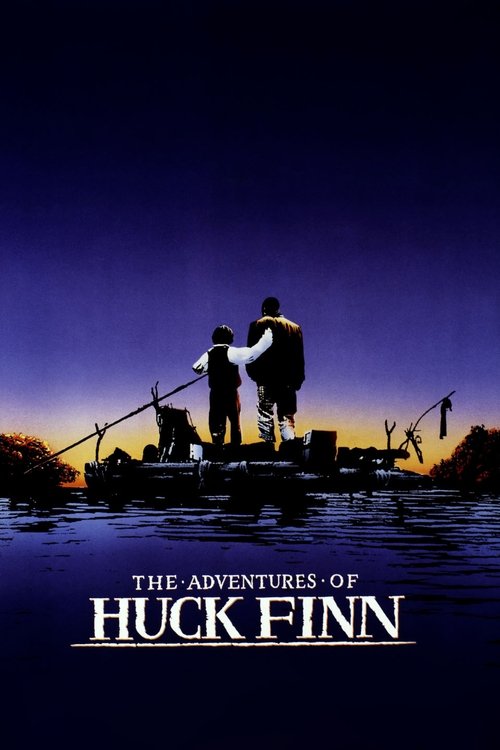
In the ending of "The Adventures of Huck Finn" (1993), Huck Finn decides to reject societal norms and chooses to help his friend Jim escape to freedom. After a series of adventures, Huck finds himself at a crossroads, ultimately affirming his loyalty to Jim over the expectations of society. The film concludes with Huck's determination to continue his journey, embracing a life of adventure and friendship.
As the film approaches its climax, Huck and Jim are on the run, having faced numerous challenges and dangers. They find themselves in a tense situation when they arrive at the Phelps farm, where they are mistaken for other characters. Huck, feeling the weight of his conscience, grapples with the societal beliefs that dictate he should turn Jim in. However, his bond with Jim deepens, and he ultimately decides to help him escape.
In a pivotal scene, Huck confronts the reality of his choices. He witnesses the cruelty of the world around him, particularly in the treatment of Jim, who is a runaway slave. This moment solidifies Huck's internal conflict; he realizes that the moral compass he has been taught is flawed. He chooses to follow his heart instead of societal expectations.
As the story unfolds, Huck and Jim's escape is fraught with danger. They navigate through treacherous waters, both literally and metaphorically. The emotional stakes rise as they encounter various characters who represent the conflicting values of society. Huck's loyalty to Jim is tested, but he remains steadfast, showcasing his growth and maturity.
In the final scenes, Huck and Jim reach a point of safety, but not without significant sacrifice and hardship. Jim's freedom is finally within reach, and Huck's journey of self-discovery culminates in his decision to reject the prejudices of his upbringing. He declares that he would rather go to hell than betray Jim, a powerful testament to their friendship.
The film concludes with Huck's resolve to continue his adventures, hinting at a future filled with uncertainty but also the promise of freedom and friendship. Huck's fate is one of independence and a rejection of societal norms, while Jim's fate is one of hope as he moves closer to freedom. The ending encapsulates the themes of loyalty, friendship, and the struggle against societal injustice, leaving the audience with a sense of hope and the possibility of a better future.
Is there a post-credit scene?
The Adventures of Huck Finn, produced in 1993, does not have a post-credit scene. The film concludes with Huck Finn reflecting on his journey and the lessons he has learned, emphasizing themes of friendship, freedom, and moral growth. The story wraps up without any additional scenes after the credits, focusing instead on the resolution of Huck's adventures and his decision to continue seeking his own path in life.
What motivates Huck Finn to escape from his father?
Huck Finn is driven by a deep desire for freedom and autonomy. His abusive father, Pap, returns to claim Huck's money and control his life, which terrifies Huck. The oppressive environment of his home, coupled with his yearning for adventure and a life unbound by societal expectations, compels him to escape.
How does Huck's relationship with Jim evolve throughout the film?
Initially, Huck views Jim as merely a runaway slave, but as they journey together on the river, Huck begins to see Jim as a friend and equal. Their bond deepens through shared experiences, hardships, and moments of vulnerability, leading Huck to confront the societal norms that dictate his views on race and friendship.
What role does the Mississippi River play in Huck's journey?
The Mississippi River serves as a symbol of freedom and adventure for Huck. It represents a place where he can escape the constraints of civilization and societal expectations. As Huck and Jim travel down the river, it becomes a transformative space where Huck grapples with his moral dilemmas and ultimately finds his own identity.
What are the circumstances that lead to the feud between the Grangerfords and the Shepherdsons?
The feud between the Grangerfords and the Shepherdsons is rooted in a long-standing family rivalry that is never fully explained. It escalates when Huck witnesses the senseless violence and loss of life that results from their conflict, highlighting the absurdity of such entrenched hatred and the impact of societal norms on personal relationships.
How does Huck's internal conflict manifest when he considers turning Jim in?
Huck experiences intense internal conflict when he contemplates turning Jim in, torn between his ingrained societal beliefs about slavery and his growing friendship with Jim. This moment is fraught with emotional turmoil as Huck grapples with the idea of betraying Jim, ultimately leading him to reject societal norms in favor of his own moral compass.
Is this family friendly?
The Adventures of Huck Finn (1993) is generally considered family-friendly, but it does contain some scenes and themes that may be potentially objectionable or upsetting for children or sensitive viewers. Here are a few aspects to consider:
-
Racial Themes: The film addresses issues of racism and slavery, which may be difficult for younger viewers to understand. The portrayal of Jim, a runaway slave, and the societal attitudes towards him can be challenging.
-
Violence: There are moments of violence, including fights and threats, which may be intense for some viewers. These scenes are not graphic but do convey a sense of danger.
-
Emotional Turmoil: Huck's internal struggles with morality and friendship can evoke strong emotions. His conflict over helping Jim, a runaway slave, may be distressing for some viewers.
-
Depictions of Poverty: The film portrays the harsh realities of life for those living in poverty, which may be upsetting for sensitive viewers, especially children who may not fully grasp the context.
-
Death and Loss: Themes of death and loss are present, particularly in relation to Huck's family and friends, which could be emotionally heavy for younger audiences.
While the film has valuable lessons about friendship, loyalty, and moral growth, these elements may require parental guidance for younger viewers.







