

















Popular
What is the significance of the black box in the lottery?
How does Tessie Hutchinson react to winning the lottery?
What role does Old Man Warner play in the story?
What is the reaction of the townspeople when Tessie Hutchinson is selected?
How does the setting of the village contribute to the story?
Should I watch it?
Ask Your Own Question

What is the plot?
Sorry, we aren't able to watch and write up a full detailed plot yet. Check back in a few days.

What is the ending?
In the ending of "The Lottery," the townspeople gather for the annual lottery, which culminates in a shocking and brutal conclusion. Tessie Hutchinson, who initially arrives late, becomes the chosen one when her family draws the marked slip. Despite her protests and attempts to argue against the lottery's fairness, she is ultimately stoned to death by the townspeople, including her own family.
As the scene unfolds, the tension builds around the lottery's ritualistic nature, showcasing the blind adherence to tradition. Tessie's fate serves as a grim reminder of the dangers of conformity and the loss of individual morality in the face of societal customs.
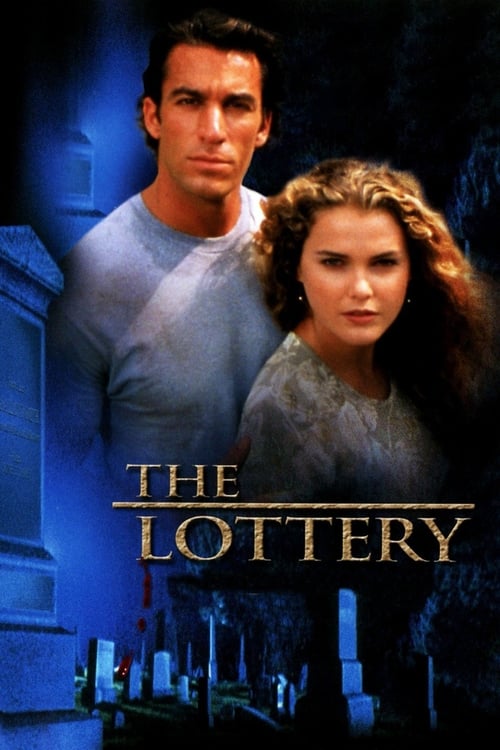
As the sun rises over the small, seemingly idyllic town, the atmosphere is filled with a mix of excitement and dread. The townspeople gather in the square, chatting amiably, their faces reflecting a sense of community. Children play, collecting stones, which seems innocent at first but foreshadows the dark events to come. The camera pans over the crowd, capturing the anticipation in their eyes, as they prepare for the annual lottery--a tradition that has been passed down through generations.
Tessie Hutchinson arrives late, breathless and laughing, as she joins her family. Her jovial demeanor contrasts sharply with the somber undertones of the gathering. As the lottery begins, Mr. Summers, the town's official, steps forward with a black box that has seen better days. The box, worn and weathered, symbolizes the weight of tradition that the townspeople carry. Mr. Summers calls for the heads of households to draw slips of paper, and the tension in the air thickens.
As the lottery progresses, the camera focuses on the faces of the townspeople, revealing a mix of anxiety and resignation. When the Hutchinson family draws their slip, Tessie's husband, Bill, pulls a paper with a black dot, marking them as the chosen family. The crowd's reaction is muted, but a palpable sense of dread hangs over Tessie as she realizes the implications of the draw.
In a desperate attempt to save herself, Tessie protests, claiming that the lottery is unfair and that her family should not be punished. Her pleas echo through the square, but they fall on deaf ears. The townspeople, who were once her neighbors and friends, now appear as a mob, driven by the collective will to uphold tradition. The emotional turmoil is evident on Tessie's face as she grapples with disbelief and fear.
As the ritual continues, the townspeople gather stones, the very objects that symbolize their complicity in this horrific act. The camera captures the chilling moment when Tessie's children, who should be innocent, join in the stoning, reflecting the tragic cycle of violence and indoctrination. Tessie's cries for mercy become increasingly frantic as she is surrounded by the crowd, her humanity stripped away by the ritualistic fervor.
In the final moments, Tessie is overwhelmed by the stones hurled at her, her voice fading into the cacophony of the crowd. The scene is harrowing, showcasing the brutal reality of the lottery and the chilling ease with which the townspeople turn on one of their own. As Tessie falls to the ground, the camera lingers on the faces of the townspeople, revealing a disturbing blend of resolve and detachment.
The film concludes with Tessie's lifeless body lying in the dirt, a stark reminder of the consequences of blind adherence to tradition. The townspeople disperse, their faces devoid of remorse, as they return to their daily lives, leaving behind the horror of what they have just committed. The fate of Tessie Hutchinson serves as a haunting reflection on the dangers of conformity and the moral decay that can arise from unquestioned traditions.
Is there a post-credit scene?
The movie "The Lottery," produced in 1996, does not have a post-credit scene. The film concludes its narrative without any additional scenes or content after the credits roll. The story wraps up with the chilling resolution of the lottery, leaving viewers with a sense of unease and reflection on the themes presented throughout the film.
What is the significance of the black box in the lottery?
The black box in 'The Lottery' serves as a powerful symbol of tradition and the unquestioned rituals of the village. It is old and worn, representing the history of the lottery and the villagers' blind adherence to it. The box is used to draw names, and its deteriorating condition reflects the outdated and barbaric nature of the lottery itself.
How does Tessie Hutchinson react to winning the lottery?
Tessie Hutchinson initially arrives at the lottery late, joking and laughing with her friends, but her demeanor shifts dramatically when her family is selected. As the reality of the situation dawns on her, she becomes increasingly frantic and desperate, pleading for fairness and arguing that the lottery is not right. Her emotional turmoil highlights her transformation from a carefree participant to a terrified victim.
What role does Old Man Warner play in the story?
Old Man Warner is the oldest villager and a staunch defender of the lottery tradition. He embodies the resistance to change, often dismissing the younger villagers' concerns about the lottery's morality. His character represents the fear of losing tradition and the blind adherence to customs, as he insists that the lottery is essential for the community's survival.
What is the reaction of the townspeople when Tessie Hutchinson is selected?
When Tessie Hutchinson's name is drawn, the townspeople's reactions are a mix of shock and resignation. Initially, there is a moment of silence, but as the reality sets in, the villagers, including her own family, prepare to carry out the ritual. Their cold detachment and willingness to participate in the violence reveal the chilling nature of the lottery and the dehumanization that accompanies it.
How does the setting of the village contribute to the story?
The setting of the village is crucial to the story's impact. It is depicted as a quaint, seemingly idyllic place, filled with normalcy and community spirit. This contrast between the peaceful setting and the horrific act of the lottery creates a jarring effect, emphasizing the theme of how ordinary people can commit atrocities when bound by tradition. The setting enhances the shock of the story's climax, as the familiar environment becomes the backdrop for an unimaginable act.
Is this family friendly?
The Lottery, produced in 1996, is a film that explores dark themes and societal rituals, which may not be suitable for children or sensitive viewers. Here are some potentially objectionable or upsetting aspects:
-
Violence and Death: The film centers around a ritualistic lottery that culminates in a violent act, which can be disturbing to viewers. The depiction of this act is intense and may evoke strong emotional reactions.
-
Emotional Distress: Characters experience significant emotional turmoil, including fear, anxiety, and despair, particularly as the lottery approaches. This emotional weight can be heavy for younger audiences.
-
Social Commentary: The film critiques conformity and the darker sides of human nature, which may be difficult for children to understand and process.
-
Tension and Suspense: The atmosphere is filled with tension and dread, which can be unsettling, especially for younger viewers who may not be prepared for such themes.
-
Peer Pressure: The film illustrates the impact of societal pressure and the consequences of blindly following tradition, which may resonate negatively with sensitive individuals.
Overall, while the film is a thought-provoking commentary on human behavior, its themes and content may not be appropriate for a family-friendly viewing experience.







