






Popular
What is the significance of the cello in the story?
Who is the main character and what drives her actions throughout the film?
What role does the ghost play in Ji-won's life?
How does Ji-won's relationship with her husband evolve throughout the film?
What is the backstory of the previous owner of the cello?
Should I watch it?
Ask Your Own Question

What is the plot?
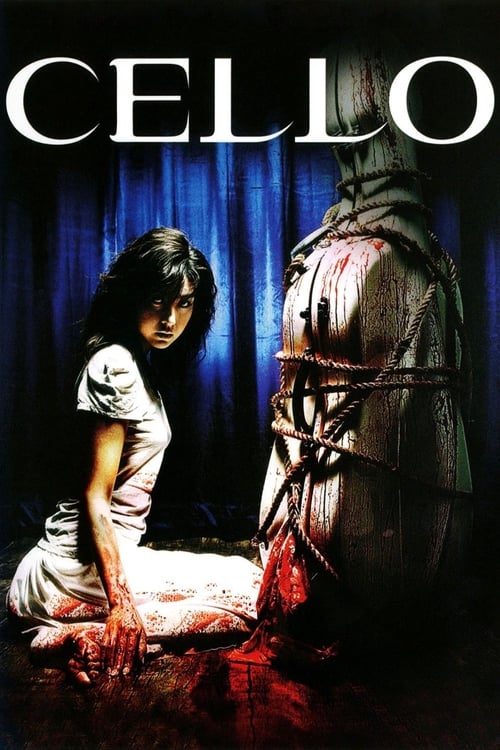
Hong Mi-ju stands before her university music class, her fingers hovering over the cello's strings with mechanical precision, her face a mask of icy detachment. The present day unfolds in the sterile halls of the music college, where she now ekes out a living as a part-time instructor, far from the concert stages she once dominated. Anxiety gnaws at her; she pops another pill from the bottle tucked in her pocket, swallowing it dry as her students fumble through their pieces. Her professor corners her after class, his voice warm with insistence. "Mi-ju, you must come to the concert for Kim Tae-yeon's sister, Hae-yeong. And take that professional job--your talent is wasted here." She shakes her head, eyes distant. "No. I can't."
At home in their respectable suburban house, Mi-ju navigates a life of fragile normalcy. Her husband, Jun-ki, hurries through the kitchen, late for work as always, kissing her cheek absentmindedly. Their older daughter, Yoon-jin, mute and burdened with learning disabilities, scratches at her cello in her room upstairs, the notes a discordant wail that sets Mi-ju's teeth on edge. The younger daughter, doll-like and silent, plays with her toys in the corner, her face eerily vacant. Sister-in-law Kyeong-ran flits about, bubbly and wedding-obsessed, chattering about her fiancé in America. "He's coming back soon, Mi-ju unnie! Everything's perfect!" Jun-ki has recently hired a new housekeeper, a mute woman whose scarred throat speaks of a past suicide attempt with acid--a detail he shares casually over dinner, ignoring Mi-ju's shudder.
Tension simmers at the university. A disgruntled student confronts Mi-ju after receiving a failing grade. "You ruined me! I had to drop out because of you!" the girl snarls, eyes blazing. Mi-ju remains cold. "Your playing was inadequate. Improve or quit." Later, Mi-ju finds a screwdriver jammed into her BMW's tire in the parking lot, the rubber slashed viciously. Anonymous calls begin that night as she drives home: a distorted voice whispers, "Are you happy?" She grips the wheel tighter. A pause, then, "You should be." The words burrow into her mind like splinters.
The next day, while shopping in a bustling area, Yoon-jin tugs at Mi-ju's sleeve, pointing insistently at a cello in a store window. Her mute pleas escalate into frantic gestures, eyes wide with unnatural obsession. Mi-ju relents, buying the instrument despite the knot in her stomach. Back home, Yoon-jin's playing erupts--a tortured screeching that echoes through the house like a dying animal. Mi-ju winces, memories flickering unbidden: her own prodigious talent, now buried. That evening, the family dog is found dead in the yard, its throat torn out, blood pooling on the grass under the moonlight. No explanation, just silence from the household.
Strange visions plague Mi-ju's nights. She wakes to whispers in the dark--"Tae-yeon"--and feels icy fingers brush her bed. At work, she discovers a mysterious tape in her locker, labeled simply with her old friend's name. Trembling, she plays it in the empty practice room: Kim Tae-yeon's cello fills the air, flawless yet laced with envy. Mi-ju sways, nearly fainting as the music swells, nearly stepping into traffic on her drive home from Hae-yeong's concert, a truck horn blaring as she swerves.
Kyeong-ran unravels first. Her fiancé calls from America, voice flat: "It's over. I've met someone else." Devastated, she spirals, makeup streaking her face as she laughs maniacally in the kitchen one night, echoing like a madwoman from an old film. A silent phone call comes later, the line unplugged from the wall, heavy breathing on the other end mistaken for her ex. That night, in the dim hallway of the Hong family home, Kyeong-ran encounters the long-haired female ghost--pale face shrouded in black hair, crawling unnaturally like a specter from nightmares. Her screams cut short; the next morning, Mi-ju finds her sister-in-law hanging from the attic rafters, rope biting into her neck, eyes bulging in terror. Kyeong-ran is dead by her own hand, haunted to suicide by the ghost. The police rule it self-inflicted, but Mi-ju knows better, her pills no match for the rising dread.
Jun-ki grows distant, arguing with Mi-ju over the housekeeper. "She's harmless! We need her with Yoon-jin." Mi-ju snaps, "I don't trust her--those eyes, that silence." Bed hauntings intensify: the ghost perches at the foot of their bed, whispering Tae-yeon's name, its form flickering between long black hair and a familiar cello silhouette. The anonymous calls persist, now layered with cello screeches. Mi-ju confides fragments in Jun-ki: "Tae-yeon was my friend, a plain girl who struggled with cello. I shone, she faded. She pretended happiness, but jealousy festered. We crashed in a car--she died, I survived with scratches. That's why I quit." He listens, skeptical, but the house feels heavier, shadows lengthening.
Flashbacks bleed into reality. Ten years ago, Mi-ju's family was brutally murdered--Jun-ki, Yoon-jin, the younger daughter, Kyeong-ran--all gone in a massacre that shattered her. She hides this "dark secret," rebuilding a facsimile life, but guilt festers like an open wound. Visions assault her: in the attic, the family sings "Happy Birthday" in a looping ritual, Kyeong-ran handing her a photo album inscribed in elegant script: "This is only the beginning." Ghostly hands grasp the edges, pulling her deeper.
The housekeeper grows more ominous, shadowing Yoon-jin with mute intensity. One night, Mi-ju hears screams from Yoon-jin's room. Rushing in, she sees the long-haired ghost looming over her daughter, Tae-yeon's face superimposed in rage. Grabbing a knife, Mi-ju lunges--"Stay away from her!"--stabbing wildly. The figure crumples, blood spraying. It's the housekeeper, throat gashed open, eyes wide in shock as she gasps her last. Mi-ju kills the housekeeper, mistaking her for Tae-yeon's ghost while she tries to protect Yoon-jin. Jun-ki bursts in, horrified. "What have you done?!"
Panic surges. Mi-ju flees to Yoon-jin's room, the girl's cello blaring discordantly. Believing it channels the spirit, Mi-ju seizes a heavy object and beats the instrument savagely--crack, splinter, thud. Yoon-jin's screams pierce the air from behind the door. Rushing in, Mi-ju finds the cello intact, but Yoon-jin curled on the floor, body bruised and bleeding heavily from the "linked" assault, wounds mirroring the blows. Yoon-jin nearly dies from Mi-ju's attack on the cello, believing it harms her daughter through supernatural ties. Tae-yeon's ghost appears, forcing Mi-ju's hand toward a knife over the wounded girl. "Finish it," the specter hisses. Mi-ju resists, muscles straining, sweat beading on her forehead. With a guttural cry, she turns the blade on herself, stabbing deep into her side. Blood soaks her clothes, vision blurring as she collapses.
But the visions deepen, pulling her into the past. In a wrenching flashback, Jun-ki discovers their younger daughter's mangled body in the house ten years prior. "You did this! You killed her!" he roars at Mi-ju, lunging in fury. They struggle, bodies slamming against walls. Mi-ju pushes him desperately; he stumbles onto a jagged pipe protruding from the floor, impaling himself through the chest. Blood gurgles from his mouth as he slumps dead. Behind him, Tae-yeon's ghost smirks, whispering her name--the true killer, manipulating from the shadows? Jun-ki dies by Mi-ju's push onto the pipe during their struggle over the child's body, with Tae-yeon's ghost implicated. The memory loops: the attic birthday song, the inscription, the family's slaughter--the entire family massacred ten years ago: Jun-ki stabbed on the pipe, Yoon-jin and younger daughter murdered (methods tied to Mi-ju's guilt or Tae-yeon's revenge), Kyeong-ran haunted to hanging. Mi-ju's "new" life unravels as delusion.
Climax builds as Mi-ju staggers home on her own birthday, the anonymous message replaying: "Are you happy? You should be." Blood trails behind her. She climbs to the attic, steps creaking underfoot, heart pounding like a frantic drum. The vision engulfs her: Jun-ki, Yoon-jin, the younger daughter, Kyeong-ran surround her, singing "Happy Birthday" in eerie harmony, faces waxen and smiling unnaturally. Kyeong-ran presses the album into her hands--"This is only the beginning"--ghostly fingers of Tae-yeon clutching from the shadows, nails digging into Mi-ju's cheeks, pulling her face close. The ghost's eyes burn with jealousy, mouth whispering, "Play for me... forever."
Mi-ju thrashes, screaming, as the attic spins. Pain explodes--her self-inflicted wound? The hauntings? Reality fractures. She wakes in a blinding hospital room, monitors beeping steadily. A doctor leans in: "Mrs. Hong, you've been in a coma since the truck crash after Hae-yeong's concert. Your family is safe--Jun-ki, Yoon-jin, your younger daughter, even Kyeong-ran. The housekeeper too. No deaths, no ghosts. It was all a nightmare in your mind, born from guilt over Tae-yeon's crash." Jun-ki enters, holding her hand, Yoon-jin peeking shyly with her cello case--unbought, unplayed. The tape? A hallucination. The calls? Her anxiety.
Relief floods her, tears streaming. But as she drifts back to sleep, the attic vision flickers at the room's edge: the inscription glows, Tae-yeon's hands grasp once more. "This is only the beginning." The screen fades to black, the cycle unbroken--insanity, karma, or eternal haunting? Mi-ju's eyes snap open in terror, the cello note echoing faintly. No escape.
(Word count: 3472)



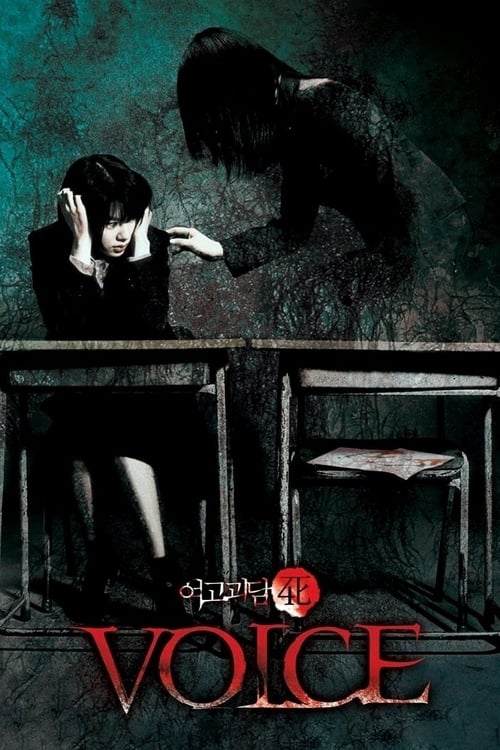
What is the ending?
In the ending of the movie "Cello," the protagonist, a cellist named Ji-won, confronts the haunting presence of her deceased husband, who has been tormenting her through supernatural means. In a climactic moment, she faces the truth about her past and the tragic events that led to her husband's death. Ultimately, Ji-won finds a way to free herself from the haunting, leading to a resolution of her emotional turmoil.
As the film draws to a close, Ji-won is seen moving forward with her life, symbolizing a new beginning and the possibility of healing from her grief.
The ending of "Cello" unfolds in a series of emotionally charged scenes that bring the narrative to a powerful conclusion.
Scene 1: The confrontation begins in Ji-won's home, where she has been plagued by the ghostly presence of her husband, who died in a tragic accident. The atmosphere is thick with tension as Ji-won, visibly shaken and weary, prepares to face the truth. The dim lighting casts long shadows, emphasizing her isolation and fear. She clutches her cello, a symbol of her connection to her husband and her art, as she steels herself for what is to come.
Scene 2: In a haunting flashback, Ji-won recalls the moments leading up to her husband's death. The memories are fragmented and filled with sorrow, showing their last moments together filled with love and laughter, juxtaposed against the tragedy that followed. The emotional weight of these memories is palpable, and Ji-won's face reflects a mix of regret and longing. The audience can feel her internal struggle as she grapples with guilt and the desire for closure.
Scene 3: The climax occurs when Ji-won decides to confront the spirit of her husband directly. In a dimly lit room, she plays a mournful piece on her cello, pouring her heart into the music. The sound reverberates through the space, and as she plays, the ghostly figure of her husband appears. His expression is one of sorrow, and Ji-won's eyes fill with tears as she realizes that he is not there to harm her but to seek forgiveness and understanding.
Scene 4: The emotional confrontation reaches its peak as Ji-won speaks to her husband, expressing her feelings of guilt and loss. She acknowledges her pain and the impact of his death on her life. The air is thick with emotion as she pleads for him to let go, to find peace. The ghostly figure begins to fade, and Ji-won's music shifts from sorrowful to hopeful, symbolizing her acceptance and the release of her grief.
Scene 5: In the final moments, Ji-won is left alone in the room, the silence now a stark contrast to the earlier tension. She looks around, her expression a mix of relief and sadness. The haunting presence has lifted, and she feels a sense of liberation. The camera captures her as she steps outside into the light, a metaphor for her newfound freedom from the past.
Scene 6: The film concludes with Ji-won moving forward in her life. She is seen teaching music to children, her face now radiating a sense of peace and purpose. The cello, once a source of pain, has become a tool for healing and connection. The final shot lingers on her smiling face, suggesting that while the memories of her husband will always remain, she has found a way to honor him while embracing her future.
In this resolution, Ji-won's journey reflects the themes of grief, acceptance, and the transformative power of music. Each character's fate is intertwined with Ji-won's emotional arc, as her husband's spirit finds peace, and she steps into a new chapter of her life, symbolizing hope and resilience.
Is there a post-credit scene?
The movie "Cello," produced in 2005, does not have a post-credit scene. The film concludes its narrative without any additional scenes or content after the credits roll. The story wraps up with a focus on the emotional and psychological resolution of the characters, particularly revolving around the haunting themes of loss, revenge, and the supernatural elements tied to the cursed cello. The absence of a post-credit scene allows the audience to reflect on the film's intense and chilling conclusion without any further distractions.
What is the significance of the cello in the story?
The cello serves as a central symbol in the film, representing both the beauty and the haunting nature of the past. It is tied to the protagonist's emotional journey and the supernatural elements that unfold.
Who is the main character and what drives her actions throughout the film?
The main character is a talented cellist named Ji-won, whose life is turned upside down after she moves into a new home. Her actions are driven by a desire to uncover the mystery surrounding her new environment and the tragic history linked to the cello.
What role does the ghost play in Ji-won's life?
The ghost in the film is that of a former cellist who suffered a tragic fate. This spirit becomes intertwined with Ji-won's life, influencing her both musically and emotionally, as she seeks to understand the connection between them.
How does Ji-won's relationship with her husband evolve throughout the film?
Ji-won's relationship with her husband, who initially supports her, becomes strained as the supernatural occurrences escalate. His skepticism and concern for her mental state create tension, highlighting the emotional isolation Ji-won feels as she grapples with the haunting.
What is the backstory of the previous owner of the cello?
The previous owner of the cello is revealed to be a talented musician who faced a tragic end, which is gradually uncovered through flashbacks and Ji-won's experiences. This backstory is crucial as it explains the haunting and the emotional weight carried by the cello.
Is this family friendly?
The movie "Cello," produced in 2005, is a South Korean horror film that contains several elements that may not be suitable for children or sensitive viewers. Here are some potentially objectionable or upsetting aspects:
-
Violence and Gore: The film includes scenes of violence that may be graphic or disturbing, which could be unsettling for younger audiences.
-
Supernatural Themes: The presence of ghosts and supernatural occurrences may be frightening for children, as it delves into themes of revenge and haunting.
-
Emotional Trauma: Characters experience significant emotional distress, including themes of loss and betrayal, which may be heavy for sensitive viewers.
-
Intense Atmosphere: The overall tone of the film is dark and suspenseful, with moments designed to evoke fear and anxiety, which might be overwhelming for some.
-
Death and Grief: The narrative involves themes of death and the impact of grief on individuals, which could be upsetting for younger viewers or those sensitive to such topics.
These elements contribute to the film's horror classification and may not be appropriate for a family-friendly viewing experience.








