


















Popular
How does the relationship between Moses and Ramses evolve throughout the film?
What motivates Moses to confront Pharaoh about freeing the Israelites?
What are the key moments that lead to the plagues of Egypt?
How does Moses' encounter with God at the burning bush shape his mission?
What role does Miriam play in supporting Moses and the Israelites?
Should I watch it?
Ask Your Own Question

What is the plot?
Sorry, we aren't able to watch and write up a full detailed plot yet. Check back in a few days.
More Movies Like This
Browse All Movies →









What is the ending?
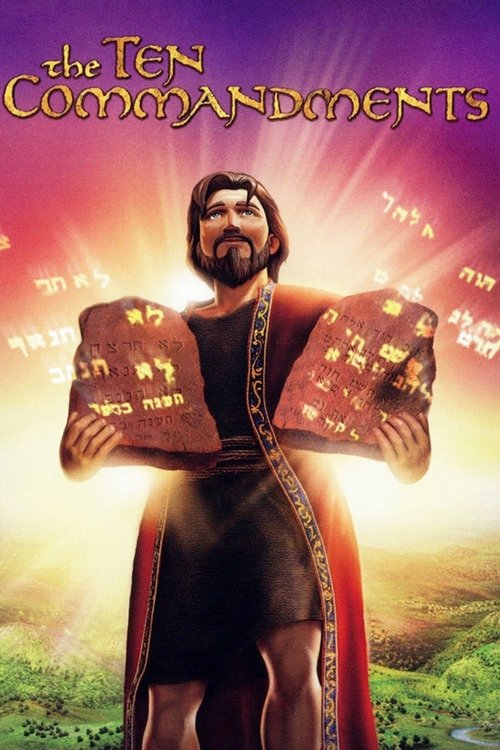
In the ending of "The Ten Commandments" (2007), Moses leads the Israelites out of Egypt after the final plague, the death of the firstborn. They cross the Red Sea, which miraculously parts for them, while the pursuing Egyptian army is swallowed by the returning waters. Moses receives the Ten Commandments on Mount Sinai, establishing the laws for the Israelites. The film concludes with Moses guiding his people toward the Promised Land, embodying hope and faith.
As the climax of "The Ten Commandments" unfolds, the tension reaches its peak with the final plague. The scene opens in the darkened streets of Egypt, where the air is thick with dread. The camera pans over the homes of the Egyptians, where families huddle together, fearful of the impending doom. The firstborns of Egypt are struck down, and the cries of anguish echo through the night, a haunting reminder of the cost of Pharaoh's stubbornness.
Cut to the Israelites, who are gathered in their homes, marked by the blood of the lamb on their doorposts. They are filled with a mix of fear and hope, knowing that this night will change their fate. Moses, portrayed with a deep sense of responsibility, reassures his people, urging them to remain steadfast in their faith. His internal struggle is palpable; he feels the weight of leadership and the burden of his people's suffering.
As dawn breaks, the Israelites are finally freed from their bondage. The scene shifts to the Israelites hastily packing their belongings, a flurry of activity filled with urgency and anticipation. They march out of Egypt, led by Moses, who stands tall, embodying the spirit of liberation. The camera captures the expressions of the people--relief, joy, and a hint of disbelief as they step into the unknown.
The narrative then transitions to the dramatic crossing of the Red Sea. The Israelites stand at the water's edge, fear and uncertainty etched on their faces. Moses raises his staff, and the waters part in a miraculous display of divine intervention. The Israelites walk through the dry seabed, flanked by towering walls of water, their faces illuminated by a mix of awe and terror. The music swells, heightening the emotional stakes as they flee from the pursuing Egyptian army.
As the last of the Israelites crosses, the scene shifts to the Egyptians, who are hot on their heels. Pharaoh, filled with rage and desperation, leads his chariots into the parted sea. The tension is palpable as the waters begin to close in. The camera captures the moment of realization on Pharaoh's face as he understands the futility of his pursuit. The sea crashes down, engulfing the Egyptian army in a powerful wave, signifying the end of their oppression.
With the Egyptians defeated, the scene transitions to Mount Sinai, where Moses ascends to receive the Ten Commandments. The mountain looms majestically, shrouded in clouds and lightning, symbolizing the divine presence. Moses, filled with reverence and awe, receives the tablets, his face illuminated by the glory of God. This moment marks a pivotal transformation for the Israelites, as they are given the laws that will guide their new life.
The film concludes with Moses descending the mountain, holding the tablets high. The Israelites gather around him, their faces filled with hope and determination. Moses stands before them, embodying the promise of a new beginning. The camera pulls back, revealing the vast desert ahead, symbolizing the journey toward the Promised Land. The final shot captures the unity of the people, their faith renewed, as they follow Moses into the future.
In the aftermath, Moses emerges as a leader who has not only liberated his people but has also provided them with a moral framework to live by. The fate of the main characters is intertwined with this journey: Moses, now a prophet and leader, is tasked with guiding his people through trials ahead; Pharaoh, having lost everything, is left to grapple with the consequences of his pride; and the Israelites, once enslaved, now stand on the brink of a new identity, united in their faith and hope for the future.
Is there a post-credit scene?
The movie "The Ten Commandments" produced in 2007 does not have a post-credit scene. The film concludes with the resolution of the story of Moses leading the Israelites out of Egypt and receiving the Ten Commandments. The focus remains on the biblical narrative and the significance of the commandments, leaving no additional scenes or content after the credits roll.
How does the relationship between Moses and Ramses evolve throughout the film?
Initially, Moses and Ramses share a close bond as brothers, filled with camaraderie and mutual respect. However, as Moses embraces his role as a leader of the Israelites, their relationship becomes strained. Ramses feels betrayed and threatened by Moses' actions, leading to a fierce rivalry. This emotional conflict culminates in Ramses' refusal to let the Israelites go, showcasing his pride and desperation to maintain power.
What motivates Moses to confront Pharaoh about freeing the Israelites?
Moses is driven by a deep sense of justice and a personal connection to his Hebrew heritage. After discovering his true identity and witnessing the suffering of his people, he feels compelled to act. His internal struggle is marked by a mix of fear and determination, as he grapples with his past and the weight of his destiny.
What are the key moments that lead to the plagues of Egypt?
The plagues are unleashed after Moses repeatedly demands Pharaoh to release the Israelites, only to be met with stubborn refusal. Each plague serves as a divine response to Pharaoh's hardened heart, beginning with the Nile turning to blood, followed by frogs, lice, and so forth. These moments are filled with tension, as they illustrate the escalating conflict between Moses' faith and Pharaoh's defiance, ultimately leading to the devastating final plague.
How does Moses' encounter with God at the burning bush shape his mission?
The encounter at the burning bush is a pivotal moment for Moses, where he receives his divine calling. The awe-inspiring sight of the bush that burns but is not consumed fills him with both fear and reverence. God's voice instills in him a sense of purpose and urgency, compelling him to return to Egypt and lead his people to freedom. This moment marks the transformation of Moses from a reluctant leader to a determined prophet.
What role does Miriam play in supporting Moses and the Israelites?
Miriam serves as a crucial support system for Moses and the Israelites throughout their journey. She is portrayed as a strong, wise figure who encourages her brother and helps to rally the people. Her faith and resilience shine through during moments of despair, particularly when she leads the women in song and dance after the crossing of the Red Sea, symbolizing hope and unity among the Israelites.
Is this family friendly?
The Ten Commandments (2007) is generally considered family-friendly, but it does contain some scenes and themes that may be upsetting or objectionable for younger viewers or sensitive individuals. Here are a few aspects to consider:
-
Violence and Conflict: The film depicts various conflicts, including battles and confrontations between the Egyptians and the Israelites. There are scenes of physical struggle and tension that may be intense for children.
-
Slavery and Oppression: The portrayal of the Israelites' enslavement and the harsh treatment they endure can be distressing. The emotional weight of oppression is a significant theme throughout the film.
-
Death and Plagues: The film includes scenes of the plagues that befall Egypt, which can be graphic and unsettling. The depiction of death, particularly in the context of the final plague, may be disturbing.
-
Emotional Turmoil: Characters experience significant emotional struggles, including fear, despair, and anger. These intense emotional moments may resonate deeply and could be overwhelming for some viewers.
-
Religious Themes: The film explores complex religious themes and moral dilemmas that may require a level of understanding that younger children might not possess.
While the film aims to convey a powerful story of faith and liberation, these elements may warrant parental guidance for younger audiences.









