









































Popular
What motivates Hank Deerfield to investigate his son's disappearance?
How does the relationship between Hank and his wife, Joan, evolve throughout the film?
What role does Detective Emily Sanders play in the investigation?
What are the circumstances surrounding Mike Deerfield's death?
How does the film depict the impact of war on soldiers and their families?
Should I watch it?
Ask Your Own Question

What is the plot?
Sorry, we aren't able to watch and write up a full detailed plot yet. Check back in a few days.








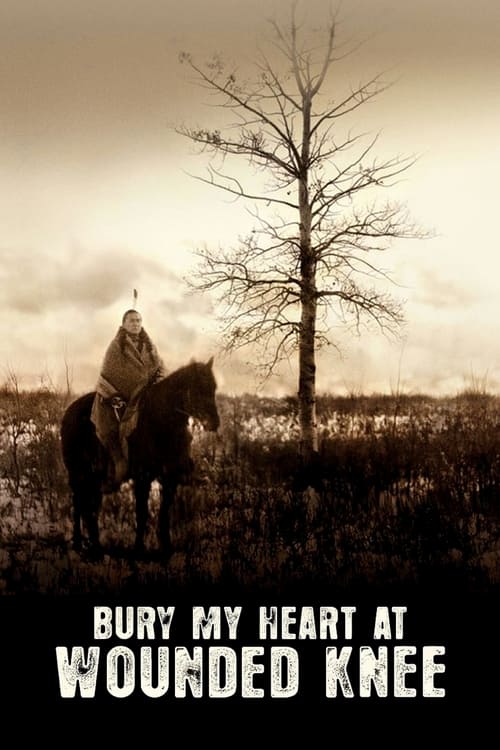
What is the ending?
In the ending of "In the Valley of Elah," Hank Deerfield discovers the truth about his son's death and confronts the harsh realities of war. He finds closure but is left with a profound sense of loss and disillusionment. The film concludes with Hank reflecting on the impact of war on soldiers and their families.
As the final scenes unfold, Hank Deerfield, portrayed by Tommy Lee Jones, stands in a desolate field, grappling with the weight of his son's tragic fate. After a relentless investigation into the circumstances surrounding his son Mike's death, Hank uncovers the truth: Mike was murdered by fellow soldiers after a traumatic experience in Iraq. This revelation shatters Hank's perception of the military and the honor he once associated with it.
In a poignant moment, Hank confronts the military officials, demanding accountability for the actions that led to his son's demise. He is met with bureaucratic indifference, highlighting the disconnect between the soldiers and the institutions meant to protect them. Hank's emotional turmoil is palpable as he processes the betrayal and loss, feeling the burden of a father who could not save his son from the horrors of war.
The film culminates in a scene where Hank visits a memorial dedicated to fallen soldiers. He stands alone, reflecting on the sacrifices made and the lives lost. The camera captures his somber expression, emphasizing the deep sorrow and anger that have consumed him. The weight of his grief is evident as he grapples with the reality that his son, who once embodied hope and promise, has been reduced to a statistic in a war that has taken so much.
In the final moments, Hank is seen driving away from the memorial, a solitary figure against the vast landscape. The silence is deafening, underscoring the emotional void left in the wake of his son's death. The film closes on this haunting image, leaving the audience to ponder the lasting effects of war on families and the individuals who serve.
Hank Deerfield is left to navigate his grief alone, while the military continues to operate under a veil of secrecy and denial. The fate of other characters, such as the soldiers involved in Mike's death, remains ambiguous, reflecting the broader implications of trauma and moral conflict faced by those who serve. The film ends without resolution, emphasizing the ongoing struggle for understanding and healing in the aftermath of loss.
Is there a post-credit scene?
In the movie "In the Valley of Elah," there is no post-credit scene. The film concludes with a poignant and reflective ending that encapsulates the emotional journey of the characters, particularly focusing on the themes of loss, the impact of war, and the search for truth. The final moments leave the audience with a sense of unresolved grief and contemplation, aligning with the film's overall tone and message.
What motivates Hank Deerfield to investigate his son's disappearance?
Hank Deerfield, a retired Army sergeant, is driven by a deep sense of duty and love for his son, Mike, who has recently returned from Iraq. When Mike goes missing, Hank feels compelled to take matters into his own hands, believing that the military and local authorities are not doing enough. His internal conflict is fueled by his military background, which instills in him a strong sense of responsibility to uncover the truth and honor his son's service.
How does the relationship between Hank and his wife, Joan, evolve throughout the film?
Hank and Joan Deerfield's relationship is strained by the trauma of their son's disappearance and the emotional toll it takes on them. Initially, Joan is more passive, struggling to cope with her grief, while Hank is determined and active in his search. As the story progresses, their differing coping mechanisms create tension, but they also reveal their deep love for each other. Joan's eventual support of Hank's investigation signifies a turning point, as they unite in their shared pain and desire for closure.
What role does Detective Emily Sanders play in the investigation?
Detective Emily Sanders becomes a crucial ally for Hank Deerfield in his quest to find his son. Initially skeptical of Hank's approach, she gradually becomes more invested in the case as she witnesses Hank's determination and emotional turmoil. Emily's character represents a blend of professionalism and empathy; she is dedicated to her job but also deeply affected by the human cost of the investigation. Her growing bond with Hank highlights the personal stakes involved and the impact of war on families.
What are the circumstances surrounding Mike Deerfield's death?
Mike Deerfield's death is revealed to be a tragic consequence of the psychological toll of war. After returning home, he struggles with PTSD, which is exacerbated by the horrors he experienced in Iraq. The investigation uncovers that Mike was involved in a violent incident that led to his death, and the military's failure to address his mental health issues plays a significant role in the tragedy. This revelation is a pivotal moment in the film, as it underscores the devastating effects of war on soldiers and their families.
How does the film depict the impact of war on soldiers and their families?
The film poignantly illustrates the profound impact of war on soldiers and their families through the experiences of Hank Deerfield and his wife, Joan. Hank's relentless pursuit of the truth about Mike's fate reveals the emotional scars left by combat, including PTSD and the struggle to reintegrate into civilian life. The Deerfields' grief and disconnection serve as a microcosm of the broader societal issues faced by veterans and their loved ones, highlighting the often-overlooked consequences of military service.
Is this family friendly?
"In the Valley of Elah" is not considered family-friendly due to its mature themes and content. Here are some potentially objectionable or upsetting aspects that may affect children or sensitive viewers:
-
Violence and War Themes: The film deals with the aftermath of war, including discussions of violence and the psychological impact on soldiers, which may be distressing.
-
Murder Investigation: The central plot revolves around a murder investigation, featuring crime scene details and the emotional turmoil of the victim's family.
-
Graphic Imagery: There are scenes that depict the harsh realities of military life and the consequences of combat, which can be unsettling.
-
Emotional Trauma: Characters experience deep emotional pain, including grief, anger, and despair, which may be difficult for younger viewers to process.
-
Strong Language: The film contains strong language that may not be suitable for children.
-
Substance Abuse: There are references to substance abuse and its effects on individuals and families.
These elements contribute to a serious and somber tone throughout the film, making it more appropriate for mature audiences.






